











Symetria — Hurst Outpatient Rehab & Suboxone Clinic
1
Top 10 Rehab Centers In Hurst



















































































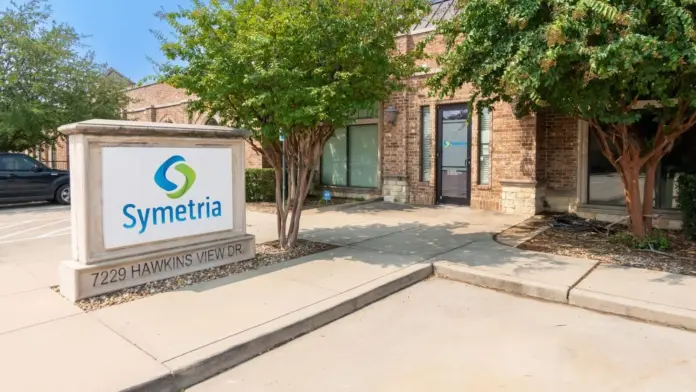
Symetria Recovery Fort Worth is an outpatient treatment center in the Blackland Prairies of Fort Worth, Texas. They provide comprehensive care for adults battling opioid use disorder and dual diagnosis. You can access flexible care, including morning and evening intensive outpatient programs (IOPs) to fit your schedule.
Their treatment programs offer medication assisted treatment (MAT) to manage the physical and psychological symptoms of quitting opioids. You can access FDA medications here including Suboxone and methadone.
I like that they provide unlimited individual therapy. You can work with a counselor to address the underlying causes of addiction and gain new coping skills for lasting recovery.
Another great feature I noticed was their family support services. Your loved ones can participate in support groups to connect with other families on similar paths. You can attend family therapy to improve communication and rebuild broken relationships. You’ll benefit from ongoing support to straighten your family dynamic.
Their high success rates also caught my eye. According to their website, their success rates are twice as high as those of other addiction treatment programs. While your success in recovery depends on multiple factors, it’s good to see that this program has been helpful for many.

 Our Methodology


Private insurance refers to any kind of healthcare coverage that isn't from the state or federal government. This includes individual and family plans offered by an employer or purchased from the Insurance Marketplace. Every plan will have different requirements and out of pocket costs so be sure to get the full details before you start treatment.
Self-pay involves paying for treatment out of your own pocket. You can use savings or credit, get a personal loan, or receive help from family and friends to fund your treatment. If you don't have insurance or your insurance plan doesn't cover a specific program, self-pay can help ensure you still get the care you need.
Intensive outpatient programs offer high-level care for clients as an increased risk of relapse, including those in early recovery, those with a strong history of relapse, and those experiencing a crisis. Intensive outpatient treatment typically requires clients to engage in nine to 20 hours of care weekly, with treatment modalities that combine psychotherapy and recovery education, and holistic therapies, such as acupuncture and animal therapy. Medication assisted treatment (MAT) is also common in alcohol and/or opioid recovery.
After completing some form of inpatient care, many clients transition or step down to an outpatient rehab, while some choose to transition from detox directly into outpatient care. High-intensity outpatient programming, including partial hospitalization (PHP) and intensive outpatient (IOP) is widely available for clients in early recovery, those leaving detox, and those at an elevated relapse risk. Clients in outpatient care generally engage in robust addiction counseling and recovery education, and some also receive medication assisted treatment (MAT).
Ridding the body of harmful, addictive substances, also known as detoxification, is usually the first phase of recovery. Those going through medically assisted detox can be administered medications by a team of medical professionals who are on-site 24/7 to provide different types of therapies that help mitigate withdrawal symptoms.
Telehealth in Texas encompasses four main applications. These are mobile health, store-and-forward, remote patient monitoring, and live video. Practitioners leverage these technologies to provide healthcare from a distance, which increases convenience and reduces cost.
Alcoholism occurs when a person becomes physically and psychologically dependent on alcohol. Attending a professional alcohol rehab in Texas can provide customized intervention methods to address the physical, mental, and relational challenges of addiction.
During rehab in Texas, you'll deal with underlying issues that contribute to addiction. By addressing these challenges and learning healthy ways to cope with them, you'll develop strategies that help you live a drug-free lifestyle.
 Mental Health And Substance Abuse
 Opioid Addiction
Substance abuse treatment is available in Texas for anyone who's struggling with drug or alcohol addiction. These programs usually provide a comprehensive assessment and individualized treatment plan, and include evidence-based treatments, like therapies such as cognitive-behavioral therapy (CBT) to reframe unhelpful coping strategies, and dialectical behavior therapy (DBT) to help with emotional regulation and stress.
Adult rehab programs include therapies tailored to each client's specific needs, goals, and recovery progress. They are tailored to the specific challenges adult clients may face, including family and work pressures and commitments. From inpatient and residential treatment to various levels of outpatient services, there are many options available. Some facilities also help adults work through co-occurring conditions, like anxiety, that can accompany addiction.
The goal of cognitive behavioral therapy (CBT) in Texas is to change thought patterns, which leads to changes in behavior. Specific techniques during CBT can include self talk, SMART goals, journaling, and positive activities.
Treatment that takes a dialectical behavior therapy approach focuses on four strategies. Distress tolerance will help you accept and tolerate intense emotions. Emotional regulation will teach you to manage those emotions. Mindfulness will keep you in the present moment instead of regret or worry. Interpersonal effectiveness will teach you to manage your relationships.
Together with an experienced trauma therapist, you work on healing emotional wounds from traumatic experiences within a trauma therapy environment. Your therapist will help you process the experience of the trauma, which promotes emotional healing and improves your overall mental health.
Couples therapy helps couples learn to control emotions, trust each other, and communicate more effectively. It can be useful for short term intervention for a specific issue or for working on the relationship long term.
Experiential therapy in Texas can look different for each person. You may engage in fitness activities, community service, culinary arts, or art therapy, for example. The goal is to provide a safe setting where you can interact with your environment and work through emotions and experiences with the help of that activity and the guidance of a therapist.
 Eye Movement Desensitization And Reprocessing
Therapy sessions that incorporate motivational interviewing focus on OARS: open questions, affirmation, reflections, and summarizing. This facilitates an exchange of information and an empowering of the client to decide for themselves what changes might need to be made in their lives.
 Yoga Studio
  Art Activities
LegitScript has reviewed Symetria Recovery – Fort Worth as part of their certification program, and has determined that it meets the LegitScript standards for legality, safety and transparency.
LegitScript verified in

The Commission on Accreditation of Rehabilitation Facilities (CARF) is a non-profit organization that specifically accredits rehab organizations. Founded in 1966, CARF's, mission is to help service providers like rehab facilities maintain high standards of care.
CARF Accreditation: Yes
Rehab.com regularly reviews this listing for accuracy but changes may occur between updates. For the most up-to-date information, please contact Symetria Recovery – Fort Worth.

7229 Hawkins View Dr
Fort Worth, TX 76132
Sponsored Helpline

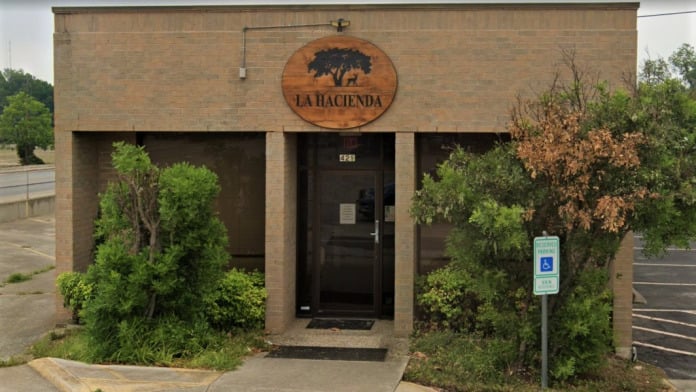
I'm sharing this to raise awareness about a concerning incident involving the director of this methadone clinic, witnessed next door at the ABA therapy center. The director was seen outside photographing parents' vehicles and threatening to have them towed for briefly parking near the clinic despite several open spaces and no blocked access (as you can see in the picture). The situation escalated when he confronted ABA staff and attempted to enter the building while children were receiving therapy. Staff had to call the police to document the incident. As the aunt of a nonverbal autistic child, my biggest concern is the danger this creates for kids. Many autistic children are highly sensitive to raised voices, unfamiliar people, and sudden disruptions, especially during drop-off transitions. A frightened child could bolt into a parking lot or have a severe meltdown and a nonverbal child can't explain what scared them. This also raises real questions about the director's ability to stay calm, communicate professionally, and de-escalate tense situations. A methadone clinic director works with vulnerable patients who may be experiencing withdrawal, anxiety, or significant emotional distress. If a simple parking issue with several spaces still available resulted in photographing vehicles, towing threats, and an attempted confrontation at another facility, it raises real concerns about his ability to properly and safely treat current and future patients when they are in high-distress situations of their own. This isn't a criticism of anyone receiving addiction treatment. Those patients deserve compassionate, dignified, emotionally regulated care, just like the children next door. My concern is specifically with this director's conduct, which placed both staff and children at unnecessary risk.

My nephew has ABA right next door and the program director has threatened people just for parking in a shared parking lot. When it is it ever ok to behave in a way that makes children and the parents of children seeking aba therapy unsafe. It is a SHARED PARKING LOT. None of the behavior exhibited by this director is ok.

Wow! The program director is insane. I went to pick up a child from the building next door and witnessed the scariest sight. He was highly trying to get into the building with children to fight over a parking space. Mind you, there were SEVERAL vacant parking spots in a shared parking lot. He was ranting and raving making a scene in front of other parents and has now frightened CHILDREN. This behavior is completely unacceptable. Maybe he should be tested..

Had a horrible experience with this clinic. My nephew has ABA right next door and he has threatened people just for parking in a shared parking lot. He even tried coming into the business, irate, with tons of children inside. Last I checked people on methadone cannot even drive so why would they need the spot? It’s insane to me this is how someone acts around children.
 Back
Back
Sharing your insights and experiences can help others learn more about this rehab center.

 Written By: Mariah Bourne
M.A.
Written By: Mariah Bourne
M.A.


