





























































































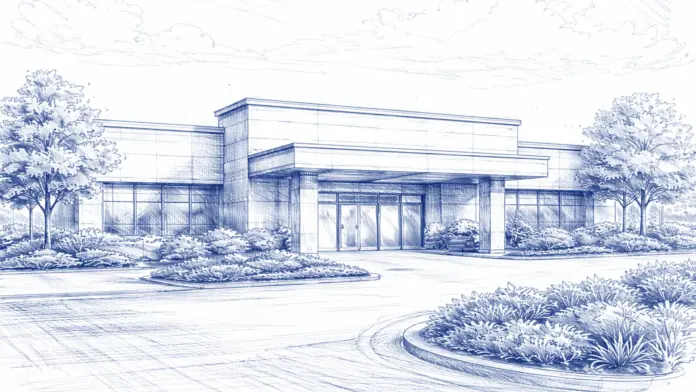
About The Connection – Women’s Recovery Support Program
The Connection Women’s Recovery Support Program in Bridgeport, Connecticut exists for women who are navigating substance use, parenting, recovery, pregnancy or all of the above and need support. The Women’s REACH Program was designed for women to have access to non-clinical recovery support that works alongside mental health and addiction treatment.
Who This Program Is Built For
This program supports pregnant and parenting women with substance use disorders and co-occurring mental health conditions like anxiety, depression or trauma-related challenges. It also extends support to partners, grandparents and other family members impacted by addiction.
Because REACH is funded through Connecticut’s Department of Mental Health and Addiction Services, participation in this program is completely free and 100% voluntary.
That means no worries of clinical billing and no pressure to perform recovery. Instead, women are met where they are emotionally and mentally, with consistent encouragement to support them in long-term stability.
How Support Actually Shows Up
Recovery Navigators and Case Managers assist women in connecting to medication-assisted treatment, mental health providers, prenatal care, postpartum care, behavioral health services, and trauma-informed counseling.
Some women need help for a few weeks while others need help for several months. Many of the Recovery Navigators bring lived experience, which helps to normalize struggles and feelings of isolation.
Latest Reviews



Rehab Score
 Our Methodology


Location
Other Forms of Payment
Self-pay involves paying for treatment out of your own pocket. You can use savings or credit, get a personal loan, or receive help from family and friends to fund your treatment. If you don't have insurance or your insurance plan doesn't cover a specific program, self-pay can help ensure you still get the care you need.
Private insurance refers to any kind of healthcare coverage that isn't from the state or federal government. This includes individual and family plans offered by an employer or purchased from the Insurance Marketplace. Every plan will have different requirements and out of pocket costs so be sure to get the full details before you start treatment.
Addiction Treatments
Levels of Care
Outpatient Programs (OP) are for those seeking mental rehab or drug rehab, but who also stay at home every night. The main difference between outpatient treatment (OP) and intensive outpatient treatment (IOP) lies in the amount of hours the patient spends at the facility. Most of the time an outpatient program is designed for someone who has completed an inpatient stay and is looking to continue their growth in recovery. Outpatient is not meant to be the starting point, it is commonly referred to as aftercare.
Treatments
A combined mental health and substance abuse rehab has the staff and resources available to handle individuals with both mental health and substance abuse issues. It can be challenging to determine where a specific symptom stems from (a mental health issue or an issue related to substance abuse), so mental health and substance abuse professionals are helpful in detangling symptoms and keeping treatment on track.
Clinical Services
Research clearly demonstrates that recovery is far more successful and sustainable when loved ones like family members participate in rehab and substance abuse treatment. Genetic factors may be at play when it comes to drug and alcohol addiction, as well as mental health issues. Family dynamics often play a critical role in addiction triggers, and if properly educated, family members can be a strong source of support when it comes to rehabilitation.
Group therapy is any therapeutic work that happens in a group (not one-on-one). There are a number of different group therapy modalities, including support groups, experiential therapy, psycho-education, and more. Group therapy involves treatment as well as processing interaction between group members.
In individual therapy, a patient meets one-on-one with a trained psychologist or counselor. Therapy is a pivotal part of effective substance abuse treatment, as it often covers root causes of addiction, including challenges faced by the patient in their social, family, and work/school life.
Amenities
-
 Residential Setting
Staff

Lisa DeMatteis-Lepore
Chief Executive Officer

Stephen K. Abshire, MPA, MBA
Chief Financial Officer
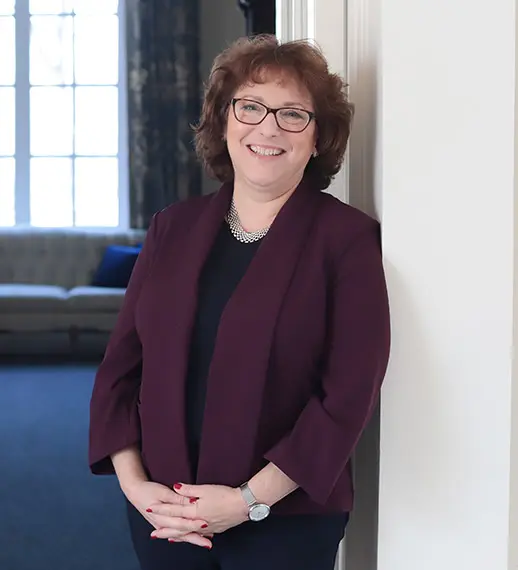
Beth Connor, MBA
Chief Business Development Officer

Kathleen Savino, PSY.D.
Chief Operating Officer

Jessica Smith, LMFT
Deputy Chief of Business Development

Raquel Lugo, MD
Medical Director

Teresa Ferraro, LPC
Senior Vice President of Programs

Rachel Doody, MS, LPC
Vice President of Community Justice Services
Rehab.com regularly reviews this listing for accuracy but changes may occur between updates. For the most up-to-date information, please contact The Connection – Women’s Recovery Support Program.
Contact Information


1187 Park Avenue
Bridgeport, CT 06604
Sponsored Helpline



