












Footprints to Recovery Addiction Treatment Centers
1
Top 10 Rehab Centers In Centennial



















































































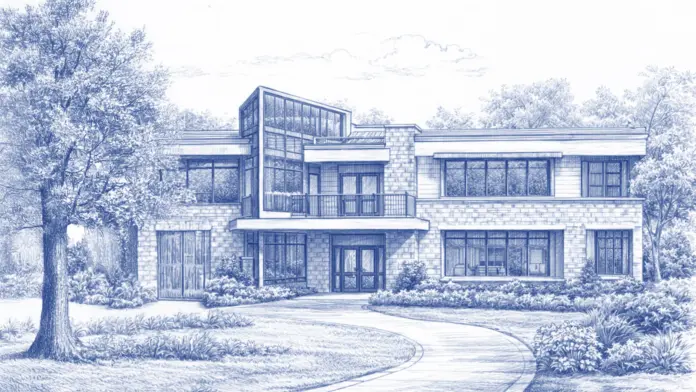
Thrivur Health is an outpatient addiction treatment provider in Englewood, Colorado serving adults 18 and older throughout the Denver area. With compassionate evidence based care Thrivur Health helps clients overcome addiction while maintaining their daily responsibilities.
The center offers intensive and enhanced outpatient programs with weekly outpatient services for substance use disorders and mental health conditions as well as dual diagnosis.
Thrivur Health specializes in treating dependencies on alcohol and opioids like heroin and fentanyl, cocaine, methamphetamines, and prescription drugs such as benzodiazepines and Xanax.
Their addiction psychiatry services combine medical expertise, therapy, and customized treatment plans to address both the physical and psychological sides of recovery.
Treatment blends medication assisted treatment using options like Suboxone, methadone, and Vivitrol with counseling. Clients also build practical skills through relapse prevention and early recovery skills, Seeking Safety, and peer support to sustain long term sobriety.
Thrivur Health treats co-occurring conditions including depression and anxiety, bipolar disorder, and PTSD alongside substance use.
Using CBT and DBT within their mental health programs clinicians address underlying issues while teaching emotional regulation, stress management, and healthy coping strategies. Specialized tracks are also available for professionals, executives, first responders, and college students.

 Our Methodology


Medicaid is a state based program that helps lower-income individuals and families pay for healthcare. Medicaid covers addiction treatment so those enrolled can use their coverage to pay for rehab. When a program accepts Medicaid the client often pays very little or nothing out of their own pocket.
Private insurance refers to any kind of healthcare coverage that isn't from the state or federal government. This includes individual and family plans offered by an employer or purchased from the Insurance Marketplace. Every plan will have different requirements and out of pocket costs so be sure to get the full details before you start treatment.
Clients receiving care in an intensive outpatient program (IOP) engage in a minimum of nine hours of treatment per week on average. However, many intensive outpatient rehabs offer up to 20 therapeutic hours weekly. IOP services are ideal for those in early recovery or who are at an elevated risk of relapse. IOP may be chosen in lieu of inpatient rehab. Treatment modalities typically include psychotherapy, life skills training, medication assisted treatment (MAT), and holistic care.
Outpatient rehabs offer a wide variety of services and levels of care to align with clients' unique and evolving needs. Outpatient care is best suited for clients who are stable and for those who wish to remain at home while receiving treatment. Clients typically receive addiction counseling and recovery-focused life skills training, including participating in evening, night, and weekend sessions to accommodate clients' schedules. Clients at an increased relapse risk may receive more frequent and intensive treatment.
Alcoholism is defined as a physical dependence on alcohol. In this state, the body experiences withdrawal symptoms in the absence of alcohol. Over time, a person with alcohol use disorder also must drink greater amounts of alcohol to achieve the same effects. To overcome alcohol use disorder, alcohol rehab in Colorado is usually necessary, a process which includes supervised medical detox. This is followed by intensive rehab, then a maintenance program that may include 12-step support.
 Opioid Addiction
Professional services are often necessary to recover from addiction. Drug rehab in Colorado provides the expert services needed to address the complex issues of addiction and help individuals start their recovery journey.
Colorado offers a range of substance abuse treatment programs that encompass various levels of care to meet your specific needs. These addiction treatment programs often encompass medical detox, outpatient, inpatient, and partial hospitalization programs. You'll find each program includes individual and group therapy, and educational groups to provide you with the tools to achieve and sustain your recovery.
With residential addiction treatment, you live in a rehab facility while receiving mental health services. Rehabs offer 24/7 care provided by clinical and mental health staff. A typical inpatient program lasts 28-30 days, but some last for several months. Standard mental health services include group and individual counseling, with addiction and relapse prevention education. Amenities, like recreational offerings, vary by facility.
Colorado offers dual-diagnosis addiction treatment programs that encompass various levels of care to meet your individual needs, including medical detox, outpatient, inpatient, and partial hospitalization programs for individuals with co-occurring mental health and substance use disorders. These dual-diagnosis rehab programs incorporate evidence-based therapies such as cognitive-behavioral therapy (CBT) or dialectical behavior therapy (DBT) to successfully address substance use disorders and co-occurring diagnoses.
Adult rehab programs include therapies tailored to each client's specific needs, goals, and recovery progress. They are tailored to the specific challenges adult clients may face, including family and work pressures and commitments. From inpatient and residential treatment to various levels of outpatient services, there are many options available. Some facilities also help adults work through co-occurring conditions, like anxiety, that can accompany addiction.
The main principle of cognitive behavioral therapy (CBT) in Colorado is that substance use disorders are based on faulty thinking and behavior patterns. The goal of this treatment is to help the individual learn better ways of coping with challenges, which will lead to changes in thinking and behavior.
Dialectical behavior therapy is skills based and present oriented. You'll be asked to keep a diary of emotions and related behaviors and practice the skills you've been learning between sessions. The focus of skills development is on mindfulness, distress tolerance, emotion regulation, and interpersonal effectiveness.
During family therapy sessions, family members in Colorado work with therapists to understand addiction as a disease that has affected the entire family. This approach fosters empathy and reduces blame on any one member. Promoting this collective effort helps to support the recovery process.
Group therapy in Colorado offers you a platform to share your stories about drug addiction and co occurring mental health conditions. You'll receive encouragement and empathy from peers who understand your journey, fostering a sense of community and belonging.
Men and women in Colorado have access to customized individual therapy sessions for drug and alcohol addiction treatment. These sessions explore your life experiences and patterns of substance abuse. Your therapist helps you recognize harmful behaviors and thoughts that empower you to make positive changes for lasting recovery.
Rehab.com regularly reviews this listing for accuracy but changes may occur between updates. For the most up-to-date information, please contact Thrivur Health.

730 W Hampden Ave Suite 205, Englewood, CO 80110
Sponsored Helpline

The Englewood location is a very nice place the office is always clean then have coffee and a cold water machine they normally have snacks out and the staff are all wonderful very patient and understanding I highly recommend this office

I just started going here the last 2 months. These ppl actual care and take the time to listen. They do want the best for you and put in the effort to help you in everyway possible. Recommended for sure

They had a great councilor but he was replaced by a lack luster fill in. I'm disappointed with groups now

 Back
Back
Sharing your insights and experiences can help others learn more about this rehab center.