





























































































About Transitions of Western Illinois
Transitions accepts Medicaid, Medicare, and private insurance policies. Interested individuals who are not insured or are out of network can apply for the facility’s sliding scale discount. This payment scale is based on your household’s income and family size. If you are in financial distress then it is possible to get free services with the right documentation to prove your economic status.
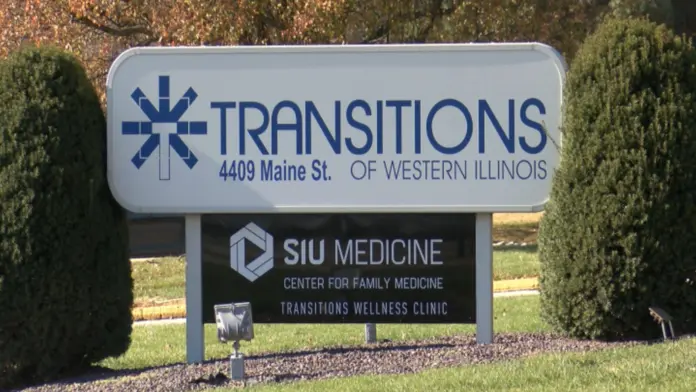
The CARF-accredited facility can help if you have substance use disorder (SUD) or are addicted to alcohol. Transitions can help if you have co-occurring mental health conditions, or if your substance use has resulted in issues with the legal system. The clinic can also provide counsel if your addictions have caused conflicts in your personal relationships.
First, individuals will undergo an assessment where an individualized treatment plan will be created, as well as customized goals for you to work toward during treatment. Individuals will have access to educational group services that focus on skills like relapse prevention, developing coping mechanisms, and more. The facility also provides medication services for those in need.
One interesting thing about this facility is that it has been serving the county for more than 60 years. Originally, the location was established in 1955 as a mental health center. It eventually expanded to include substance use treatment as part of its foundational services.
Latest Reviews



Rehab Score
 Our Methodology


Gallery
Accepted Insurance
Other Forms of Payment
Self-pay involves paying for treatment out of your own pocket. You can use savings or credit, get a personal loan, or receive help from family and friends to fund your treatment. If you don't have insurance or your insurance plan doesn't cover a specific program, self-pay can help ensure you still get the care you need.
Private insurance refers to any kind of healthcare coverage that isn't from the state or federal government. This includes individual and family plans offered by an employer or purchased from the Insurance Marketplace. Every plan will have different requirements and out of pocket costs so be sure to get the full details before you start treatment.
Medicare is a federal program that provides health insurance for those 65 and older. It also serves people under 65 with chronic and disabling health challenges. To use Medicare for addiction treatment you need to find a program that accepts Medicare and is in network with your plan. Out of pocket costs and preauthorization requirements vary, so always check with your provider.
Medicaid is a state based program that helps lower-income individuals and families pay for healthcare. Medicaid covers addiction treatment so those enrolled can use their coverage to pay for rehab. When a program accepts Medicaid the client often pays very little or nothing out of their own pocket.
Addiction Treatments
Levels of Care
Outpatient Programs (OP) are for those seeking mental rehab or drug rehab, but who also stay at home every night. The main difference between outpatient treatment (OP) and intensive outpatient treatment (IOP) lies in the amount of hours the patient spends at the facility. Most of the time an outpatient program is designed for someone who has completed an inpatient stay and is looking to continue their growth in recovery. Outpatient is not meant to be the starting point, it is commonly referred to as aftercare.
Loved ones can utilize a drug intervention in Illinois to help with addressing a family member's problematic substance use. The goal of the intervention is to educate the individual about the negative effects of their substance use and encourage them to accept professional treatment. Intervention services can help families initiate this conversation and plan appropriate follow-up care, such as inpatient or outpatient rehab.
When participating in an inpatient rehab program, you'll reside at the treatment center for the duration of the program. Your housing and meals are provided, allowing you to focus on your recovery without outside triggers, stressors, and other distractions. You'll receive daily addiction counseling, drawing on various psychotherapeutic approaches like cognitive behavioral therapy (CBT) and motivational interviewing. Many inpatient drug rehabs also offer complementary holistic therapies, such as yoga, meditation, or animal therapy, and creative arts therapy.
Addiction treatment often begins with 24-hour clinical care in Illinois. This supervised setting is the best environment for detox.where medical staff can provide 24/7 supervision and responsive care as your body is cleansed of addictive substances. Doctors may prescribe antagonist and partial agonist drugs to counteract the effects of drugs or alcohol, or they may slowly taper down dosages of substances to end physical dependence on the drug.
Treatments
Mental health rehabs focus on helping individuals recover from mental illnesses like bipolar disorder, clinical depression, anxiety disorders, schizophrenia, and more. Mental health professionals at these facilities are trained to understand and treat mental health issues, both in individual and group settings.
Programs
Adult rehab programs include therapies tailored to each client's specific needs, goals, and recovery progress. They are tailored to the specific challenges adult clients may face, including family and work pressures and commitments. From inpatient and residential treatment to various levels of outpatient services, there are many options available. Some facilities also help adults work through co-occurring conditions, like anxiety, that can accompany addiction.
Young adulthood can be an exciting, yet difficult, time of transition. Individuals in their late teens to mid-20s face unique stressors related to school, jobs, families, and social circles, which can lead to a rise in substance use. Rehab centers with dedicated young adult programs will include activities and amenities that cater to this age group, with an emphasis on specialized counseling, peer socialization, and ongoing aftercare.
Clinical Services
Whether a marriage or other committed relationship, an intimate partnership is one of the most important aspects of a person's life. Drug and alcohol addiction affects both members of a couple in deep and meaningful ways, as does rehab and recovery. Couples therapy and other couples-focused treatment programs are significant parts of exploring triggers of addiction, as well as learning how to build healthy patterns to support ongoing sobriety.
Research clearly demonstrates that recovery is far more successful and sustainable when loved ones like family members participate in rehab and substance abuse treatment. Genetic factors may be at play when it comes to drug and alcohol addiction, as well as mental health issues. Family dynamics often play a critical role in addiction triggers, and if properly educated, family members can be a strong source of support when it comes to rehabilitation.
Group therapy is any therapeutic work that happens in a group (not one-on-one). There are a number of different group therapy modalities, including support groups, experiential therapy, psycho-education, and more. Group therapy involves treatment as well as processing interaction between group members.
In individual therapy, a patient meets one-on-one with a trained psychologist or counselor. Therapy is a pivotal part of effective substance abuse treatment, as it often covers root causes of addiction, including challenges faced by the patient in their social, family, and work/school life.
Life skills trainings involve all the skills a person must have in order to function successfully in the world. These include time management, career guidance, money management, and effective communication. Truly successful addiction recovery is based on the ability to not only live substance-free, but to thrive. Life skills teaches the practical necessities of functioning in society, which sets clients up for success in life, and therefore sobriety.
Amenities
-
 Private Setting
Staff & Accreditations
Staff

Mark Schmitz, LCSW
Executive Director
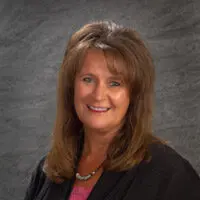
Marcie Kramer, BA
Director of Human Resources
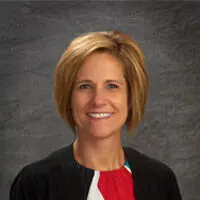
Jessica Peters, LCSW
Director of Mental Health and Children’s Services
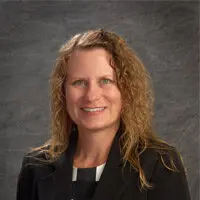
Angela Dean, BA
Director of Finance
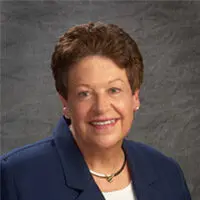
Barbara Baker Chapin, MS
Director of Development
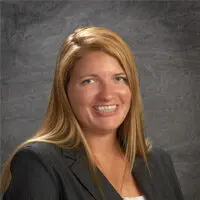
Lacey Eaton, MA
Director of Intellectual & Developmental Disabilities Services
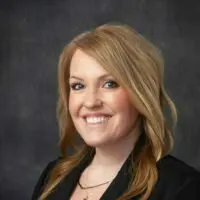
Melissa O’Hearn
Director of Quality Improvement & Compliance
Accreditations

The Commission on Accreditation of Rehabilitation Facilities (CARF) is a non-profit organization that specifically accredits rehab organizations. Founded in 1966, CARF's, mission is to help service providers like rehab facilities maintain high standards of care.
CARF Accreditation: Yes
Rehab.com regularly reviews this listing for accuracy but changes may occur between updates. For the most up-to-date information, please contact Transitions of Western Illinois.
Contact Information


4409 Maine Street
Quincy, IL 62305
Sponsored Helpline



