





























































































About United Community Center
Popular for its renowned Harley Davidson Museum, Milwaukee, Wisconsin, is also home to United Community Center. Established in 1979, they’re Wisconsin’s only bilingual and bicultural addiction and co-occurring treatment program for Spanish speakers, with a full continuum of care. You can access personalized approaches to meet you where you are in recovery.
One great thing I noticed is their dedication to removing financial barriers. They provide services regardless of your ability to pay, ensuring you get the care you need no matter your situation. Some services are free based on eligibility. You can also access a sliding fee scale with discounted rates.
Whether you need 24/7 ongoing support or can live at home and attend treatment, they have an option for you. You’ll benefit from a customized treatment plan with proven and holistic approaches to help you reach recovery. Group and individual therapy, case management, relapse prevention training, stress management, yoga and anger management are available.
What stands out most to me is their inclusive, culturally competent services. Every program is available in English and Spanish. They ensure you have a comfortable space where you feel appreciated and understood. You’ll benefit from an inclusive place to focus on recovery among professionals and peers who understand your background.
Their residential program for pregnant and postpartum women also stood out to me. This specialized track offers a safe, stable environment for women to strengthen their recovery skills and foster healthy family units. Along with therapy sessions you can access specialized services including childcare coordination, prenatal care coordination, primary physician referrals and case management. They create a welcoming environment for healing for you and your baby.
I also think their Fatherhood FIRE Program is great. Fathers, soon-to-be-fathers, stepfathers and father figures can participate in this track to strengthen connections with their children and improve their lives. You’ll focus on aspects of fatherhood including responsible parenting, economic stability and healthy relationships. Career advancement, job training programs, resume development and positive communication training are available.
Latest Reviews



Rehab Score
 Our Methodology


Gallery
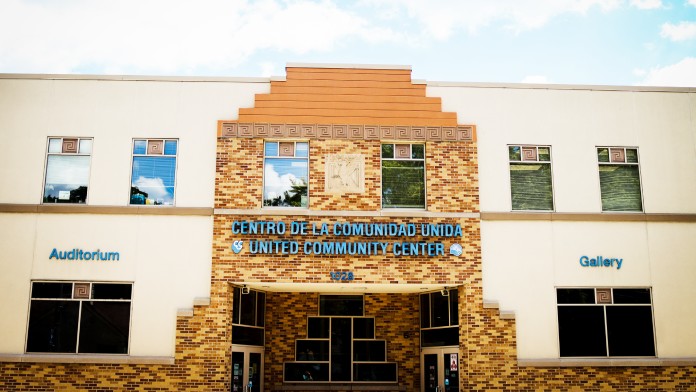
Other Forms of Payment
Private insurance refers to any kind of healthcare coverage that isn't from the state or federal government. This includes individual and family plans offered by an employer or purchased from the Insurance Marketplace. Every plan will have different requirements and out of pocket costs so be sure to get the full details before you start treatment.
Financial aid can take many forms. Centers may have grants or scholarships available to clients who meet eligibility requirements. Programs that receive SAMHSA grants may have financial aid available for those who need treatment as well. Grants and scholarships can help you pai for treatment without having to repay.
Sliding scale payments are based on a client's income and family size. The goal is to make treatment affordable to everyone. By taking these factors into account, addiction recovery care providers help ensure that your treatment does not become a financial burden to you or your family, eliminating one barrier to care.
Medicaid is a state based program that helps lower-income individuals and families pay for healthcare. Medicaid covers addiction treatment so those enrolled can use their coverage to pay for rehab. When a program accepts Medicaid the client often pays very little or nothing out of their own pocket.
Addiction Treatments
Levels of Care
Outpatient Programs (OP) are for those seeking mental rehab or drug rehab, but who also stay at home every night. The main difference between outpatient treatment (OP) and intensive outpatient treatment (IOP) lies in the amount of hours the patient spends at the facility. Most of the time an outpatient program is designed for someone who has completed an inpatient stay and is looking to continue their growth in recovery. Outpatient is not meant to be the starting point, it is commonly referred to as aftercare.
Residential treatment programs are those that offer housing and meals in addition to substance abuse treatment. Rehab facilities that offer residential treatment allow patients to focus solely on recovery, in an environment totally separate from their lives. Some rehab centers specialize in short-term residential treatment (a few days to a week or two), while others solely provide treatment on a long-term basis (several weeks to months). Some offer both, and tailor treatment to the patient's individual requirements. Linden Oaks' Residential Stay Program offers additional support for those who may benefit from a structured living environment. A patient's stay may vary from a few days to 30 days ago. The program includes group, family and individual counseling.
Intensive outpatient programs (IOP) support clients' return to their community following inpatient treatment and may also offer an alternative to hospitalization for clients who are relatively stable following detox. Many intensive outpatient rehabs require clients to participate in a minimum of nine and a maximum of 20 treatment hours weekly. IOP services are also highly customizable and typically include a combination of addiction counseling, recovery-focused life skills training, medication assisted treatment (MAT), and holistic therapies such as meditation.
If you are planning a drug intervention in Wisconsin, many rehab facilities offer professional intervention services to assist you. Having the expert insight of a trained intervention specialist can improve your chances of success when helping you plan and facilitate the intervention. This third-party involvement can provide the impartiality necessary for a productive conversation and appropriate guidance for next steps.
24-hour clinical care in Wisconsin is an essential safety protocol during addiction treatment. Medical staff provides treatment to address withdrawal symptoms and other health issues. Mental health professionals are available to address co-occurring disorders or other psychological concerns. Other resources may include family counselors, case managers, and nutritionists.
Programs
Adult rehab programs include therapies tailored to each client's specific needs, goals, and recovery progress. They are tailored to the specific challenges adult clients may face, including family and work pressures and commitments. From inpatient and residential treatment to various levels of outpatient services, there are many options available. Some facilities also help adults work through co-occurring conditions, like anxiety, that can accompany addiction.
Young adulthood can be an exciting, yet difficult, time of transition. Individuals in their late teens to mid-20s face unique stressors related to school, jobs, families, and social circles, which can lead to a rise in substance use. Rehab centers with dedicated young adult programs will include activities and amenities that cater to this age group, with an emphasis on specialized counseling, peer socialization, and ongoing aftercare.
Clinical Services
As a form of substance use treatment, cognitive behavioral therapy in Wisconsin offers several advantages. The duration of this talk therapy is typically 20 sessions or less, so it can be more affordable, with quicker results. It's also offered in multiple formats, so it can be tailored to meet individual needs.
Conflict resolution and stress are common triggers for addictive behavior. Within a group therapy setting, participants learn to practice essential skills to improve relationships, manage conflict, and reduce stress. Each of these is a crucial factor in maintaining recovery.
Individual therapy offers you a tailored approach to treat drug addiction. This focuses on your unique needs and offers you personalized support outside of a group setting. You begin to understand what triggers your addictive behavior and develop coping skills that can support your recovery.
During couples therapy, you will engage in activities that promote forgiveness, healthy communication, and understanding. You'll receive "homework" to practice these skills during the week between sessions. Couples therapy typically lasts around 12 weeks.
One focus of family therapy is to create a network for the individual in recovery. Families must identify dysfunctional patterns and develop healthier ways of interacting. This can significantly improve their loved one's treatment outcome.
Addiction treatment in Wisconsin emphasizes life skills training to help you relearn critical capabilities for day to day life. This training helps you build healthy, positive strategies for everything from self care, to career, to interpersonal relationships.
During creative arts therapy in Wisconsin, your therapist will help you explore what you're feeling as you engage in art, music, writing, or dance activities. This can be a helpful way to process difficult situations and emotions during addiction recovery.
Amenities
-
 Residential Setting
 -
 Private Rooms
Rehab.com regularly reviews this listing for accuracy but changes may occur between updates. For the most up-to-date information, please contact United Community Center.
Contact Information


1028 S 9th Street
Milwaukee, WI 53204
Sponsored Helpline



