































































































I highly DO NOT recommended this program at all if you are trying to substain sobriety & get proper mental health services. This place should not be called Unity, it should be called One Sided, Hood Daycare, or Just Deal With Us. There has been constant Transportation issues ...
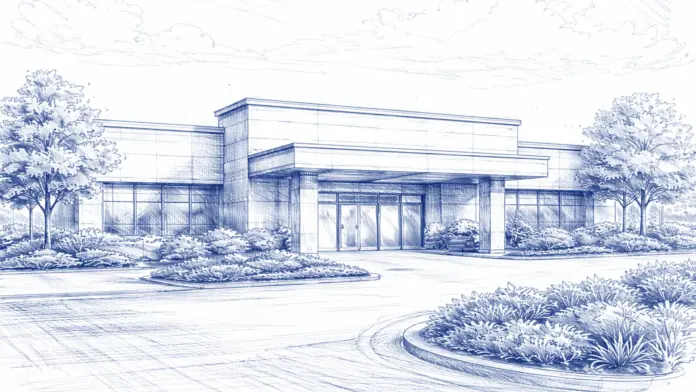
About Unity Place Inc
One thing that stands out about this location is its numerous therapeutic and specialty groups. A few of the therapeutic groups offered are the self esteem group, men’s and women’s groups and the symptoms recognition group. Specialty groups available include the trauma group and the creative grief and loss group.
The intensive (IOP) and general outpatient (OP) programs at Unity Place offer many services that can help clients achieve their recovery goals. Patients who need to start by going through withdrawal can receive Suboxone maintenance or Vivitrol therapy. Suboxone is a medication that’s administered daily, and Vivitrol is administered once a month. Both meds achieve the same goal of reducing withdrawal symptoms. Clinicians can help clients decide which medication option is best based on their needs.
During or after withdrawal, patients can start participating in individual and group counseling. Counselors will help patients develop coping skills that help them manage their stress and avoid using substances. Individual and group counseling give individuals a space to be open about the challenges of their recovery and receive support.
There are other features at Unity Place. The facility will conduct urine drug screens to hold clients accountable for their sobriety. Holistic therapeutic approaches that are offered at Unity Place include music and artistic therapy, and yoga nidra.
Clients can make payments through Medicaid or in some cases, they may qualify to receive public funding.
Latest Reviews
The best mental health program that help you to recover and help your anger management. They treated you like a families.
I left a long and nasty review, which was not a honest review. I was in a bad state of mind and extremely overwhelmed in life. I wasn't fully ready to get help for my mental health. They have agreed to allow me to come back and sit to talk about the way I handled things and possibly take me back. Everything I said was not true it was bias out of anger and I felt insulted so attacked.... hey I do need mental health help I'm not perfect but I'm man enough to admit I was wrong and I'm sorry .... This place is worth ur time if u work the program. I'm humbly sorry I ranted put of anger and if remembered I did would of tooken down right away.
Kim is an amazing counselor!

Rehab Score
 Our Methodology
Scoring is assigned by a proprietary system which helps surface key metrics that determine quality. The 10-point scale factors in categories such as operations, customer satisfaction, and trust metrics. Read Full Methodology

5.8 / 10
Location
Other Forms of Payment
Private insurance refers to any kind of healthcare coverage that isn't from the state or federal government. This includes individual and family plans offered by an employer or purchased from the Insurance Marketplace. Every plan will have different requirements and out of pocket costs so be sure to get the full details before you start treatment.
Self-pay involves paying for treatment out of your own pocket. You can use savings or credit, get a personal loan, or receive help from family and friends to fund your treatment. If you don't have insurance or your insurance plan doesn't cover a specific program, self-pay can help ensure you still get the care you need.
Medicaid is a state based program that helps lower-income individuals and families pay for healthcare. Medicaid covers addiction treatment so those enrolled can use their coverage to pay for rehab. When a program accepts Medicaid the client often pays very little or nothing out of their own pocket.
Addiction Treatments
Levels of Care
Intensive Outpatient Programs (IOP) are for those who want or need a very structured treatment program but who also wish to live at home and continue with certain responsibilities (such as work or school). IOP substance abuse treatment programs vary in duration and intensity, and certain outpatient rehab centers will offer individualized treatment programs.
Clients in a rehab aftercare program have typically completed detox and intensive inpatient and are medically stable. These programs are designed to address addiction recovery as a life-long process. Outpatient counseling and recovery education are typically categorized as drug rehab aftercare, but many clients continue to receive support after being discharged from formal outpatient treatment. Case managers and recovery teams facilitate clients' access to peer coaching, career counseling, 12 step program induction, and related services.
Participants in 12 step programs engage in a rigorous process of personal growth as a cornerstone of long-term recovery. They are expected to attend anonymous, peer-led 12 step meetings, which are free, open to the public, and available multiple times per day in most communities. Though these programs are rooted in spiritual principles, religious affiliation is not required. Self-selected peer sponsors mentor participants as they work through the 12 steps, learning forgiveness, understanding, acceptance, and accountability.
A drug intervention in New Jersey is more than a confrontational conversation. This organized effort is specific and goal-oriented. During the intervention, family members share specific examples of how the person's addiction has impacted their lives and spell out what they will do if the individual does not get treatment. The intervention also presents a clear treatment plan, which typically involves input from intervention services.
A partial hospitalization program (PHP) is a short-term, intensive outpatient option designed for those with moderate to severe addictions who don't require 24-hour care. PHP treatment is often fully covered by insurance and provides structured programming (i.e. individual and group therapy). A typical partial hospitalization program can meet 3-5 days a week for a minimum of 20 hours, offering intensive treatment during the day while allowing you to return home after. PHP treatment duration can vary based on your progress but averages 90 days.
Drug and alcohol addiction often takes a heavy toll on one's body. Over time, a physical dependence can develop, meaning the body physiologically needs the substance to function. Detox is the process of removing drugs and/or alcohol from the body, a process that can be lethal if mismanaged. Medical detox is done by licensed medical professionals who monitor vital signs and keep you safe, healthy, and as comfortable as possible as you go through detox and withdrawal.
Treatments
The goal of treatment for alcoholism is abstinence. Those with poor social support, poor motivation, or psychiatric disorders tend to relapse within a few years of treatment. For these people, success is measured by longer periods of abstinence, reduced use of alcohol, better health, and improved social functioning. Recovery and Maintenance are usually based on 12 step programs and AA meetings.
Drug rehab in New Jersey is the process of addressing the complex issues involved with addiction. Challenges are identified and addressed through individual and group counseling. Participants learn how to manage these issues without the use of substances.
Opioid rehabs specialize in supporting those recovering from opioid addiction. They treat those suffering from addiction to illegal opioids like heroin, as well as prescription drugs like oxycodone. These centers typically combine both physical as well as mental and emotional support to help stop addiction. Physical support often includes medical detox and subsequent medical support (including medication), and mental support includes in-depth therapy to address the underlying causes of addiction.
Substance rehabs focus on helping individuals recover from substance abuse, including alcohol and drug addiction (both illegal and prescription drugs). They often include the opportunity to engage in both individual as well as group therapy.
Programs
Adult rehab programs include therapies tailored to each client's specific needs, goals, and recovery progress. They are tailored to the specific challenges adult clients may face, including family and work pressures and commitments. From inpatient and residential treatment to various levels of outpatient services, there are many options available. Some facilities also help adults work through co-occurring conditions, like anxiety, that can accompany addiction.
Young adulthood can be an exciting, yet difficult, time of transition. Individuals in their late teens to mid-20s face unique stressors related to school, jobs, families, and social circles, which can lead to a rise in substance use. Rehab centers with dedicated young adult programs will include activities and amenities that cater to this age group, with an emphasis on specialized counseling, peer socialization, and ongoing aftercare.
Recovery is most successful when clients feel accepted and validated by their peers and treatment providers. Facilities that offer LGBTQ-inclusive programming are committed to creating a safe space where everyone can grow and recover without fear of judgment or discrimination. They will have dedicated policies in place to create a safe and supportive environment that fosters free expression.
Serving in the military is both mentally and physically challenging, and can result in trauma that persists even after combat ends. Military programs are tailored to the specific and often complex needs of active duty personnel, veterans, and military families. Clients often access these programs through the U.S. Department of Veterans Affairs (VA).
Clinical Services
Cognitive behavioral therapy (CBT) in New Jersey typically follows a set structure of treatment. The therapist helps clients identify their life challenges and their thoughts surrounding those challenges. The client then learns to identify unhealthy thought patterns and reshape those into healthy patterns of thinking and behavior.
Dialectical means opposing. The premise of dialectical behavior therapy is to learn how two things that seem to be opposite can actually be true. You learn how to accept yourself while also making changes. The focus is on accepting your emotions and changing how you manage them.
Group therapy is any therapeutic work that happens in a group (not one-on-one). There are a number of different group therapy modalities, including support groups, experiential therapy, psycho-education, and more. Group therapy involves treatment as well as processing interaction between group members.
During individual therapy for drug addiction, patients receive a customized and tailored approach to understanding their unique circumstances and providing them with targeted interventions. These include coping skills, relapse prevention plans, and developing resilience, all of which are essential for long term recovery.
Trauma therapy addresses traumatic incidents from a client's past that are likely affecting their present-day experience. Trauma is often one of the primary triggers and potential causes of addiction, and can stem from child sexual abuse, domestic violence, having a parent with a mental illness, losing one or both parents at a young age, teenage or adult sexual assault, or any number of other factors. The purpose of trauma therapy is to allow a patient to process trauma and move through and past it, with the help of trained and compassionate mental health professionals.
Most experts in couples therapy are trained in several modes of treatment. This allows your therapist to draw from various techniques to personalize your therapy for your needs. This may include cognitive, emotional, and behavioral methods, which are all designed to help you strengthen your relationship.
The main types of creative arts therapy in New Jersey are dance, art, drama, and music. Through creative processes and active art making, this treatment provides a safe setting free of judgment for participants to explore and express their challenging thoughts and emotions.
For best results, nicotine replacement therapy (NRT) should be combined with other methods to quit smoking. While NRT addresses physical dependence, other quit program elements are necessary to address emotional and mental dependence. Together, these supports can help you successfully quit tobacco for good.
Staff

Jennifer Morrison, MS, LPC, NCC, ACS
Senior Program Director

Kelly Baker, MS, LPC, CSS
Assistant Program Director, Clinical Director
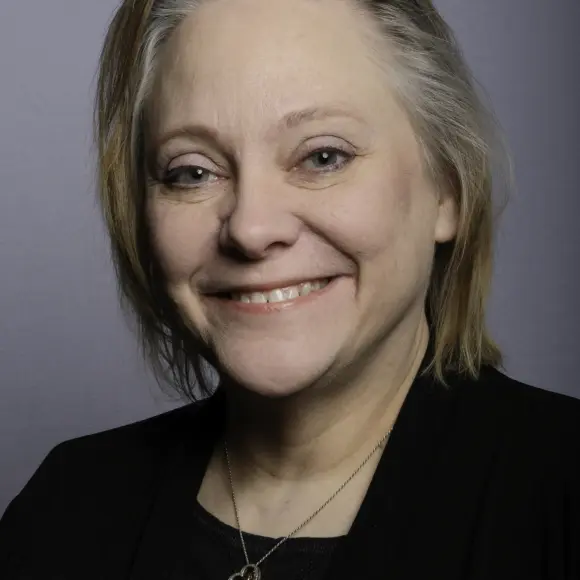
Jane Bohn, MS, LPC
Outreach Clinical Director
Rehab.com regularly reviews this listing for accuracy but changes may occur between updates. For the most up-to-date information, please contact Unity Place Inc.
Contact Information

1 Keystone Avenue
Suite 100
Cherry Hill, NJ 08003
Get Help Now - 856-460-9043
Sponsored Helpline
Sponsored Helpline



