































































































Helen was very helpful to me when I called for inpatient care. She was very informative about everything I had questions about. She made me feel so welcome and I haven't even entered the facility yet. She was warm and welcoming to me over the phone, and i can't wait to meet ...
About Warwick Manor Behavioral Health
The model is the most intensive short-term program for addiction and co-occurring disorders in Maryland. They include a combination of key factors from different evidence-based treatment models to target the special treatment needs of their population. This includes a range of inpatient services including detoxification and residential treatment.
Once you have completed a residential program you may receive treatment in an outpatient program that ranges from partial hospitalization day programs to intensive outpatient programs. They utilize medically monitored detoxification for alcohol and opioid addiction withdrawal to reduce withdrawal symptoms and cravings during ongoing treatment.
Additionally, they offer medication management and medically monitored inpatient treatment using buprenorphine and Suboxone. Their dual diagnosis treatment program includes mental health treatment and psychiatric evaluations. They also take a holistic approach to care and offer alternative therapies like guided imagery and art therapy.
Co-occurring treatment requires specialized care that occurs simultaneously since substance use disorders and mental health conditions can exacerbate each other. Their program also includes relapse prevention groups where you can learn skills to help you recognize and stop when relapse may begin as well as recovery skills groups where you learn the skills you need to maintain sobriety and sustainable recovery.
They accept referrals from community agencies, hospitals and other treatment programs. Their mission is to provide high quality comprehensive chemical dependency and mental health services to help reduce the morbidity and mortality risk factors in the community.
Latest Reviews
Great place to recover, I went in November 2025. They really do take care of you. Some of the techs are amazing! The others not so well. Kirby especially was horrible all about drama. Always tried to make herself better than anyone. If she didn’t like you, she wouldn’t talk to you. The director there I can’t remember his name. Never followed up with anything. I don’t like public speaking when I told him no, instant target on my back.They have great rules in place. I only had issues with two staff members. The others were great!!! The male staff there always professional, on top of things, and actually cared! If I ever needed help again, I would definitely go back.
I was there 15 years ago (2010) for alcohol addiction. It was a very positive experience. I've had a few minor relapses, but the tools I learned there are very beneficial.
...food is very good 🤗
Sober 2 years, 8 months and 11 days, as of this writing. I’m not sure where to even begin… something that seemed impossible becomes reality and it is one of the most freeing experiences of my life. Is it easy? Absolutely not. This place changed my life; I took notes, paid attention and gathered the resources I needed to remain sober. The information they cover in group sessions is invaluable. I felt the majority of the counselors were pretty good and the staff were all pretty decent. I never felt like any of the staff were absolutely miserable being there and I was always treated fairly. I mean, it’s a rehabilitation center for people with addiction; in most scenarios, paying respect gains respect. It’s definitely an experience to be sure and I’m sure I would view it differently if I hadn’t voluntarily sought the help. The first couple days is pretty rough, for me, they kinda assigned me to another patient and let them show me the ropes, so to type. The whole experience humbled me, helped me to understand myself better and to better understand my fellow humans in general. You meet so many people, hear so many stories; it’s really up to the individual to take all that information and just finally make a change. For me, it was alcohol, so many years just at the mercy of it… feels amazing to be free. Life can still be hard, it never changes, but how we walk through it, the legacy we leave; we get to choose that, no matter what we might have done in the past, we can most certainly be the creators of OUR future. Words of thanks will never be enough, but thank you… my time at the manor was well spent and I do not intend on being a ribbon on the wall. Thank you all for what you do, it certainly changes lives.

Rehab Score
 Our Methodology
Scoring is assigned by a proprietary system which helps surface key metrics that determine quality. The 10-point scale factors in categories such as operations, customer satisfaction, and trust metrics. Read Full Methodology

6.1 / 10
Location
Other Forms of Payment
Medicaid is a state based program that helps lower-income individuals and families pay for healthcare. Medicaid covers addiction treatment so those enrolled can use their coverage to pay for rehab. When a program accepts Medicaid the client often pays very little or nothing out of their own pocket.
Private insurance refers to any kind of healthcare coverage that isn't from the state or federal government. This includes individual and family plans offered by an employer or purchased from the Insurance Marketplace. Every plan will have different requirements and out of pocket costs so be sure to get the full details before you start treatment.
Self-pay involves paying for treatment out of your own pocket. You can use savings or credit, get a personal loan, or receive help from family and friends to fund your treatment. If you don't have insurance or your insurance plan doesn't cover a specific program, self-pay can help ensure you still get the care you need.
Financial aid can take many forms. Centers may have grants or scholarships available to clients who meet eligibility requirements. Programs that receive SAMHSA grants may have financial aid available for those who need treatment as well. Grants and scholarships can help you pai for treatment without having to repay.
Medicare is a federal program that provides health insurance for those 65 and older. It also serves people under 65 with chronic and disabling health challenges. To use Medicare for addiction treatment you need to find a program that accepts Medicare and is in network with your plan. Out of pocket costs and preauthorization requirements vary, so always check with your provider.
Addiction Treatments
Levels of Care
Clients who are exiting detox or intensive inpatient treatment often enroll in outpatient rehab programs to ensure a robust continuity of care. Outpatient programs allow clients to remain in or return to their homes and workplaces while continuing to receive treatment, which typically includes addiction counseling and recovery-focused life skills training. Clients in opioid and/or alcohol recovery may also receive medication assisted treatment (MAT), including medication induction and maintenance, at an outpatient facility.
Residential treatment programs are those that offer housing and meals in addition to substance abuse treatment. Rehab facilities that offer residential treatment allow patients to focus solely on recovery, in an environment totally separate from their lives. Some rehab centers specialize in short-term residential treatment (a few days to a week or two), while others solely provide treatment on a long-term basis (several weeks to months). Some offer both, and tailor treatment to the patient's individual requirements.
Clients who are leaving inpatient rehab often choose to transition into an intensive outpatient program (IOP) to receive high-level support as they reintegrate into their home, workplace, and community. Intensive outpatient rehab also benefits those at risk of relapse. Clients typically participate in nine to 20 hours of treatment weekly, with modalities ranging from psychotherapy to addiction and recovery education. Many programs also provide medication assisted treatment (MAT) and complementary care, such as nutrition counseling, and acupuncture.
If you think a loved one needs help with substance abuse, but they are not seeking treatment, it may be time for a drug intervention in Maryland. Intervention services can help you with this effort. During the intervention, loved ones share how their addiction-related behavior has affected them and encourage the individual to get treatment. The intervention specialist helps facilitate the conversation and explain how treatment can help.
Commonly known as "day treatment," a partial hospitalization program (PHP) is a short-term intensive rehab option designed to provide treatment during the day and you're able to return home at night. PHP treatment offers structured programming, including individual and group therapy, typically meeting 3-5 days a week for 6-8 hours per day. PHP duration averages around 90 days, with some programs offering amenities like transportation and meals.
Drug and alcohol addiction often takes a heavy toll on one's body. Over time, a physical dependence can develop, meaning the body physiologically needs the substance to function. Detox is the process of removing drugs and/or alcohol from the body, a process that can be lethal if mismanaged. Medical detox is done by licensed medical professionals who monitor vital signs and keep you safe, healthy, and as comfortable as possible as you go through detox and withdrawal.
Treatments
The goal of treatment for alcoholism is abstinence. Those with poor social support, poor motivation, or psychiatric disorders tend to relapse within a few years of treatment. For these people, success is measured by longer periods of abstinence, reduced use of alcohol, better health, and improved social functioning. Recovery and Maintenance are usually based on 12 step programs and AA meetings.
Once a person has become addicted to a substance, drug rehab in Maryland is often necessary to overcome that addiction. These programs provide the tools individuals need to manage the physical, mental, and emotional issues involved and begin a successful recovery journey.
Many of those suffering from addiction also suffer from mental or emotional illnesses like schizophrenia, bipolar disorder, depression, or anxiety disorders. Rehab and other substance abuse facilities treating those with a dual diagnosis or co-occurring disorder administer psychiatric treatment to address the person's mental health issue in addition to drug and alcohol rehabilitation.
A combined mental health and substance abuse rehab has the staff and resources available to handle individuals with both mental health and substance abuse issues. It can be challenging to determine where a specific symptom stems from (a mental health issue or an issue related to substance abuse), so mental health and substance abuse professionals are helpful in detangling symptoms and keeping treatment on track.
Opioid rehabs specialize in supporting those recovering from opioid addiction. They treat those suffering from addiction to illegal opioids like heroin, as well as prescription drugs like oxycodone. These centers typically combine both physical as well as mental and emotional support to help stop addiction. Physical support often includes medical detox and subsequent medical support (including medication), and mental support includes in-depth therapy to address the underlying causes of addiction.
Clinical Services
Cognitive behavioral therapy and motivational interviewing techniques are often part of group therapy sessions. These are evidence based techniques that address thinking and behavioral patterns that trigger addictive behavior. Learning how to address these thought patterns can help create lasting change.
Individualized one on one therapy allows the therapist to focus on your specific challenges and strengths. Using a personalized approach enables the therapist to help you develop effective coping mechanisms and build a more stable and fulfilling substance free life.
Trauma therapy addresses traumatic incidents from a client's past that are likely affecting their present-day experience. Trauma is often one of the primary triggers and potential causes of addiction, and can stem from child sexual abuse, domestic violence, having a parent with a mental illness, losing one or both parents at a young age, teenage or adult sexual assault, or any number of other factors. The purpose of trauma therapy is to allow a patient to process trauma and move through and past it, with the help of trained and compassionate mental health professionals.
Amenities
-
 Residential Setting
Staff & Accreditations
Staff

Wesley Fuhrman
Founder and CEO
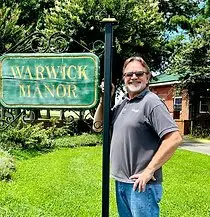
Keith Richardson, CAC-AD
Director of Marketing and Business Relations

Laura Donoway, CSC-AD, LMSW
Program Director

Dr. Efigenio Bautista, MD
Medical Director
Auburn Fountain, RN
Director of Nursing
Amy Conneely, LCSW-C
Director of Mental Health
Accreditations

The Commission on Accreditation of Rehabilitation Facilities (CARF) is a non-profit organization that specifically accredits rehab organizations. Founded in 1966, CARF's, mission is to help service providers like rehab facilities maintain high standards of care.
CARF Accreditation: Yes
Rehab.com regularly reviews this listing for accuracy but changes may occur between updates. For the most up-to-date information, please contact Warwick Manor Behavioral Health.
Contact Information

3680 Warwick Road
East New Market, MD 21631
Get Help Now - 443-376-8434
Sponsored Helpline
Sponsored Helpline



