






























































































I have serious anxiety and panic disorder and they wanted me to find a psychiatrist that would be fully responsible for my care and I could not find one psychiatrist that would write a letter stating that. I really think it's unfair because I need my medication; without it I ...
About West End Clinic
West End Clinic is an addiction treatment clinic that has been in operation since 1983. It’s in Saint Louis, Missouri. They have onsite physicians, nurses and counselors who specialize in medication assisted treatment. They’re one of the first MAT clinics within St. Louis’ city limits to serve the city residents and commuting patients from the surrounding areas.
Medical & Financial Counselors Team Up
I like that they have a team of financial counselors who will work with you to find a cost-effective treatment plan to meet your needs. They don’t offer emergency services but encourage you to seek care at your local hospital or call 911. They do offer follow-up after an emergency visit during regular business hours.
Treatment begins with an initial analysis to determine the option that can best meet your needs. They weigh your current condition against your goals for recovery to make the best choice.
Chemical Therapy for Alcohol & Opioid Addiction
Before any chemical therapy is dispensed, you’ll have a quick wellness check. The medical and mental health professionals review your progress and measure your response to treatment moving forward.
They provide treatment for opioid and alcohol use disorders using methadone, Vivitrol and Suboxone. Clients collaborate with an addiction professional to develop a plan of treatment and access to services that meet your needs.
They work with you to develop a long-term plan with the goal of sustaining your recovery and developing an exit plan from services. This might include local attractions like the St. Louis Zoo or the botanical gardens to supplement your recovery.
Latest Reviews
This place does miricle work...they help those of us that can't help ourselves.
Great place! Very professional, but also don’t tolerate any nonsense or B.S.. Do your thing , mind your own business. The staff are all nice, friendly,and polite, and if you’re honestly there to do what you’re supposed to do to, and get back a healthy, productive, life that you and your loved ones can be proud of, then this is a great place to be a part of.
I need to get a appointment I had one and went to the wrong place last week and I am going to go to the one on West flossant I been trying to get in so go

Rehab Score
 Our Methodology
Scoring is assigned by a proprietary system which helps surface key metrics that determine quality. The 10-point scale factors in categories such as operations, customer satisfaction, and trust metrics. Read Full Methodology

7.4 / 10
Gallery
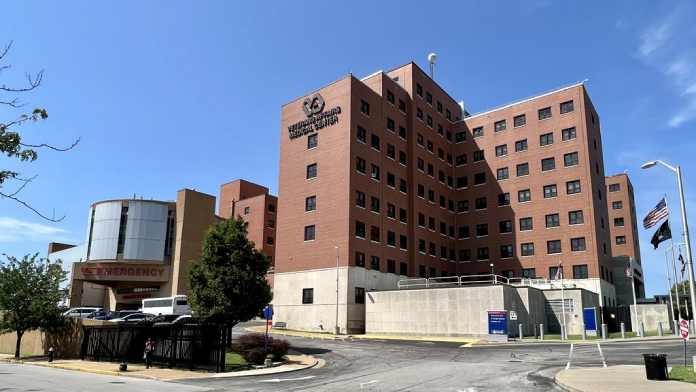
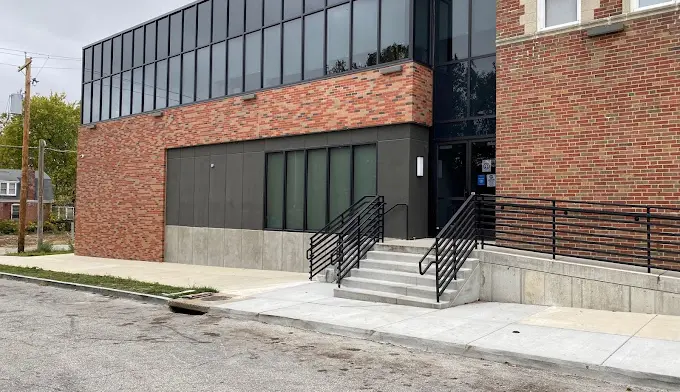
Accepted Insurance
Other Forms of Payment
Self-pay involves paying for treatment out of your own pocket. You can use savings or credit, get a personal loan, or receive help from family and friends to fund your treatment. If you don't have insurance or your insurance plan doesn't cover a specific program, self-pay can help ensure you still get the care you need.
Private insurance refers to any kind of healthcare coverage that isn't from the state or federal government. This includes individual and family plans offered by an employer or purchased from the Insurance Marketplace. Every plan will have different requirements and out of pocket costs so be sure to get the full details before you start treatment.
Medicaid is a state based program that helps lower-income individuals and families pay for healthcare. Medicaid covers addiction treatment so those enrolled can use their coverage to pay for rehab. When a program accepts Medicaid the client often pays very little or nothing out of their own pocket.
Sliding scale payments are based on a client's income and family size. The goal is to make treatment affordable to everyone. By taking these factors into account, addiction recovery care providers help ensure that your treatment does not become a financial burden to you or your family, eliminating one barrier to care.
Addiction Treatments
Levels of Care
Outpatient Programs (OP) are for those seeking mental rehab or drug rehab, but who also stay at home every night. The main difference between outpatient treatment (OP) and intensive outpatient treatment (IOP) lies in the amount of hours the patient spends at the facility. Most of the time an outpatient program is designed for someone who has completed an inpatient stay and is looking to continue their growth in recovery. Outpatient is not meant to be the starting point, it is commonly referred to as aftercare.
Drug and alcohol addiction often takes a heavy toll on one's body. Over time, a physical dependence can develop, meaning the body physiologically needs the substance to function. Detox is the process of removing drugs and/or alcohol from the body, a process that can be lethal if mismanaged. Medical detox is done by licensed medical professionals who monitor vital signs and keep you safe, healthy, and as comfortable as possible as you go through detox and withdrawal.
Treatments
The goal of treatment for alcoholism is abstinence. Those with poor social support, poor motivation, or psychiatric disorders tend to relapse within a few years of treatment. For these people, success is measured by longer periods of abstinence, reduced use of alcohol, better health, and improved social functioning. Recovery and Maintenance are usually based on 12 step programs and AA meetings.
Drug rehab in Missouri usually involves several phases: detox, rehab, and aftercare. The rehab phase may include a combination of inpatient and outpatient treatments, as the individual moves through a continuum of care on their recovery journey.
Opioid rehabs specialize in supporting those recovering from opioid addiction. They treat those suffering from addiction to illegal opioids like heroin, as well as prescription drugs like oxycodone. These centers typically combine both physical as well as mental and emotional support to help stop addiction. Physical support often includes medical detox and subsequent medical support (including medication), and mental support includes in-depth therapy to address the underlying causes of addiction.
Substance rehabs focus on helping individuals recover from substance abuse, including alcohol and drug addiction (both illegal and prescription drugs). They often include the opportunity to engage in both individual as well as group therapy.
Programs
Adult rehab programs include therapies tailored to each client's specific needs, goals, and recovery progress. They are tailored to the specific challenges adult clients may face, including family and work pressures and commitments. From inpatient and residential treatment to various levels of outpatient services, there are many options available. Some facilities also help adults work through co-occurring conditions, like anxiety, that can accompany addiction.
Clinical Services
The goal of cognitive behavioral therapy in Missouri is to help clients change their thinking and behavioral patterns. Strategies of treatment include role playing, facing fears, and calming techniques.
Staff & Accreditations
Staff
Wardell Carter
Director of Operations
Tisha Gholston
Program Director
LaVert Morrow
Medical Director
Latonya Tunstall-Robinson
Medical Director
Accreditations

The Commission on Accreditation of Rehabilitation Facilities (CARF) is a non-profit organization that specifically accredits rehab organizations. Founded in 1966, CARF's, mission is to help service providers like rehab facilities maintain high standards of care.
CARF Accreditation: Yes

State Licenses are permits issued by government agencies that allow rehab organizations to conduct business legally within a certain geographical area. Typically, the kind of program a rehab facility offers, along with its physical location, determines which licenses are required to operate legally.
State License: Missouri
Rehab.com regularly reviews this listing for accuracy but changes may occur between updates. For the most up-to-date information, please contact West End Clinic.
Contact Information

5736 West Florissant Avenue
Saint Louis, MO 63120
Get Help Now - 314-384-4223
Sponsored Helpline
Sponsored Helpline



