





























































































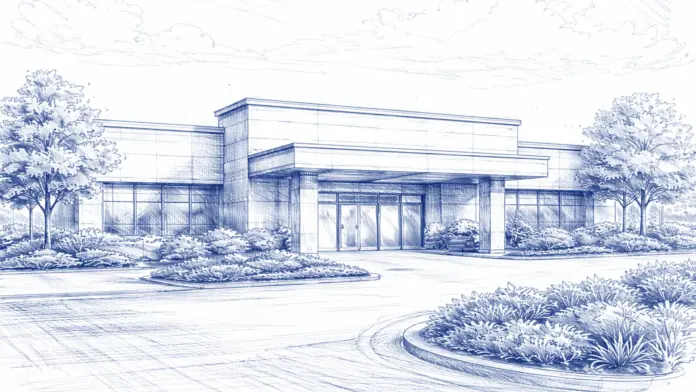


I am sure I wouldn't still be married if it wasn't for this place. My wife was a heroin addict and when we most needed it Women at The Well appeared, they treated my wife for two months and those two months were enough to make her recover.
About Women at The Well
Women at The Well is a faith based, women-only residential addiction recovery program located in Athens, Tennessee.
The program serves adults and young adults facing substance use challenges, including alcohol, drug and opioid addiction, through a blend of Christian counseling, Bible-based curriculum and mentor-supported discipleship.
Their mission centers on helping women overcome life problems through spiritual transformation, community and personal accountability.
Faith-Based Residential Recovery for Women
Women at The Well offers residential treatment rooted in a discipleship model, where each student is paired with a dedicated mentor who guides her recovery journey and coordinates family communication.
The program integrates individual counseling, group counseling and pastoral support within a private, women-only setting.
Group sessions focus on positive peer influence, accountability, conflict resolution and personal responsibility, while cognitive behavioral therapy, life skills work and recreational therapy support day-to-day growth.
Reviews highlight the caring staff and meaningful community impact, with families crediting the program for lasting change in their loved ones’ lives.
Christian Discipleship and Mentor Support
Beyond clinical care, the program emphasizes belief-system change and spiritual growth as central to long-term recovery.
Students work through daily and weekly goals alongside Bible-based curriculum and mentor relationships that extend support to families.
Aftercare resources help women sustain progress as they transition out of residential care.
Getting Started at Women at The Well
Women at The Well provides in-person residential care at its Athens, Tennessee campus, serving women seeking a gender-specific, faith centered recovery environment.
The program operates on a self-pay basis, with an application admittance fee and program costs available directly through the admissions team.
Latest Reviews
Love that this service is here for the community
No one cares like these folks!
I reached out to Women at the Well this week about visiting Brainerd’s Baptist’s Women on Mission group later this year. I promptly received not only a reply, but was successful in scheduling a date for their visit! I am impressed with the quick response!

Rehab Score
 Our Methodology
Scoring is assigned by a proprietary system which helps surface key metrics that determine quality. The 10-point scale factors in categories such as operations, customer satisfaction, and trust metrics. Read Full Methodology

6 / 10
Location
Other Forms of Payment
Self-pay involves paying for treatment out of your own pocket. You can use savings or credit, get a personal loan, or receive help from family and friends to fund your treatment. If you don't have insurance or your insurance plan doesn't cover a specific program, self-pay can help ensure you still get the care you need.
 Monthly
Addiction Treatments
Levels of Care
Residential treatment programs are those that offer housing and meals in addition to substance abuse treatment. Rehab facilities that offer residential treatment allow patients to focus solely on recovery, in an environment totally separate from their lives. Some rehab centers specialize in short-term residential treatment (a few days to a week or two), while others solely provide treatment on a long-term basis (several weeks to months). Some offer both, and tailor treatment to the patient's individual requirements.
Completing a drug or alcohol rehab program shouldn't spell the end of substance abuse treatment. Aftercare involves making a sustainable plan for recovery, including ongoing support. This can include sober living arrangements like halfway houses, career counseling, and setting a patient up with community programs like Alcoholics Anonymous (AA) or Narcotics Anonymous (NA).
Treatments
The goal of treatment for alcoholism is abstinence. Those with poor social support, poor motivation, or psychiatric disorders tend to relapse within a few years of treatment. For these people, success is measured by longer periods of abstinence, reduced use of alcohol, better health, and improved social functioning. Recovery and Maintenance are usually based on 12 step programs and AA meetings.
When your day-to-day life is taken over by drug use, this is known as substance use disorder. If you abruptly stop using your drug of choice, you experience withdrawal symptoms. To overcome this cycle, professional drug rehab in Tennessee is usually needed.
Many of those suffering from addiction also suffer from mental or emotional illnesses like schizophrenia, bipolar disorder, depression, or anxiety disorders. Rehab and other substance abuse facilities treating those with a dual diagnosis or co-occurring disorder administer psychiatric treatment to address the person's mental health issue in addition to drug and alcohol rehabilitation.
A combined mental health and substance abuse rehab has the staff and resources available to handle individuals with both mental health and substance abuse issues. It can be challenging to determine where a specific symptom stems from (a mental health issue or an issue related to substance abuse), so mental health and substance abuse professionals are helpful in detangling symptoms and keeping treatment on track.
Opioid rehabs specialize in supporting those recovering from opioid addiction. They treat those suffering from addiction to illegal opioids like heroin, as well as prescription drugs like oxycodone. These centers typically combine both physical as well as mental and emotional support to help stop addiction. Physical support often includes medical detox and subsequent medical support (including medication), and mental support includes in-depth therapy to address the underlying causes of addiction.
Programs
Adult rehab programs include therapies tailored to each client's specific needs, goals, and recovery progress. They are tailored to the specific challenges adult clients may face, including family and work pressures and commitments. From inpatient and residential treatment to various levels of outpatient services, there are many options available. Some facilities also help adults work through co-occurring conditions, like anxiety, that can accompany addiction.
Young adulthood can be an exciting, yet difficult, time of transition. Individuals in their late teens to mid-20s face unique stressors related to school, jobs, families, and social circles, which can lead to a rise in substance use. Rehab centers with dedicated young adult programs will include activities and amenities that cater to this age group, with an emphasis on specialized counseling, peer socialization, and ongoing aftercare.
Clinical Services
Cognitive Behavioral Therapy (CBT) is a therapy modality that focuses on the relationship between one's thoughts, feelings, and behaviors. It is used to establish and allow for healthy responses to thoughts and feelings (instead of unhealthy responses, like using drugs or alcohol). CBT has been proven effective for recovering addicts of all kinds, and is used to strengthen a patient's own self-awareness and ability to self-regulate. CBT allows individuals to monitor their own emotional state, become more adept at communicating with others, and manage stress without needing to engage in substance abuse.
Group therapy is any therapeutic work that happens in a group (not one-on-one). There are a number of different group therapy modalities, including support groups, experiential therapy, psycho-education, and more. Group therapy involves treatment as well as processing interaction between group members.
In individual therapy, a patient meets one-on-one with a trained psychologist or counselor. Therapy is a pivotal part of effective substance abuse treatment, as it often covers root causes of addiction, including challenges faced by the patient in their social, family, and work/school life.
Life skills trainings involve all the skills a person must have in order to function successfully in the world. These include time management, career guidance, money management, and effective communication. Truly successful addiction recovery is based on the ability to not only live substance-free, but to thrive. Life skills teaches the practical necessities of functioning in society, which sets clients up for success in life, and therefore sobriety.
Recreational therapy (aka therapeutic recreation) uses creative and fun activities to help with addiction recovery. Recreational therapists lead patients in entertaining and engaging activities like sports or games; art (drawing, painting, sculpture); drama, music, and dance; and/or community outings (field trips) to improve patients' physical, social, and emotional well-being.
Amenities
-
 Residential Setting
 -
 Private Setting
Staff
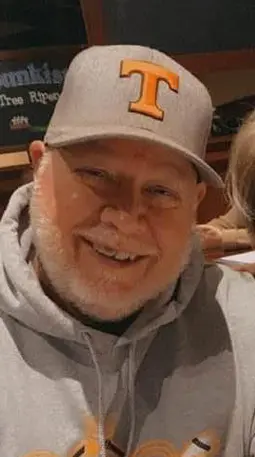
Robin Nation
Founder & Executive Director
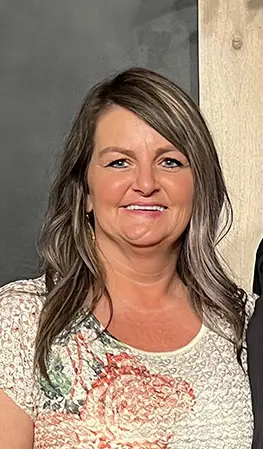
Tonya Gambrell
New Life Coordinator & Intake Coordinator
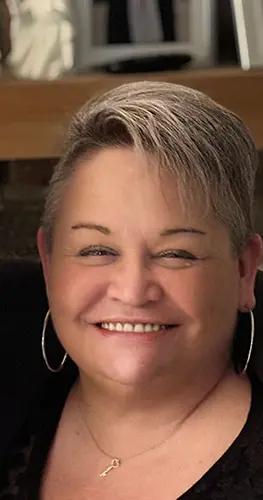
Julie Tillis
Academic Coordinator & Media Development
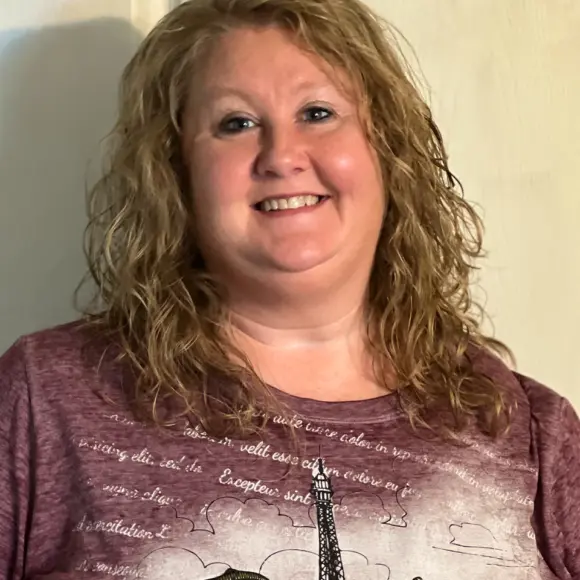
Kimberly Southerland
New Life Assistant & Creative Design Manager

Emony Kemp
Residential Manager
Rehab.com regularly reviews this listing for accuracy but changes may occur between updates. For the most up-to-date information, please contact Women at The Well.
Contact Information

881 County Road 655
Athens, TN 37303
Get Help Now - 423-225-6564
Sponsored Helpline
Sponsored Helpline


