





























































































AVOID AT ALL COSTS! This place is a joke! They have zero interest in getting patients through the program to move forward in their lives. They want to keep you in the program as long as possible in order to bilk you and or your insurance co..
About Adac (Alternative Drug & Alcohol Counseling)
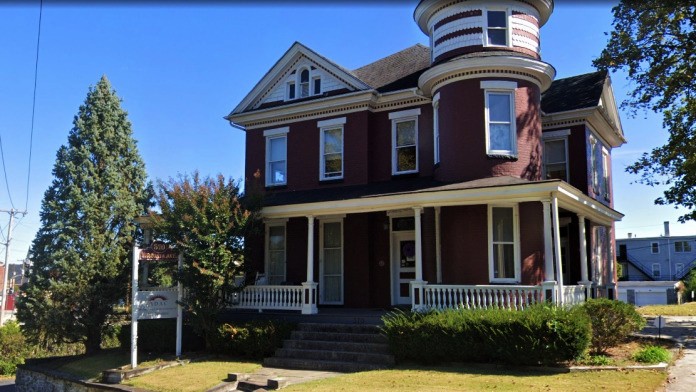
ADAC (Alternative Drug & Alcohol Counseling) is an outpatient drug and alcohol counseling provider in Hagerstown, Maryland.
Services include intensive counseling, and specialty programming for concerns such as gambling and anger management.
ADAC emphasizes individualized care, tailoring treatment length and intensity to each client’s ASAM level of need.
Urinalysis and ETG Testing
Care begins with a substance use evaluation that considers legal, medical and family background to determine the appropriate level of care.
From there, clients may enter outpatient group therapy or an intensive outpatient program.
Clients can expect a mix of counseling, relapse prevention and education addressing denial, abstinence and adjustment.
ADAC also provides Maryland MVA education, DUI programming, urinalysis and ETG testing.
Quick Facts
- Levels of care: Outpatient counseling, IOP, evaluations and DUI education
- Who they treat: Adults and adolescents, families, couples and significant others affected by substance use
- Specialties: Gambling, codependency, adult children of alcoholics and anger management
- Payment options: Maryland Medicaid, major credit cards, cash and a sliding scale for those who qualify
Facility Overview
 $75
$75 Avg Cost per Day
Latest Reviews
Just a quick note to say that the people there are amazing. Very friendly and positive/upbeat. I'm sure they deal with lot of issues every day, so maintaining that positivity is such a wonderful thing. Great employees :)
Lisa is my counselor she's the best, has taught me a lot especially about boundaries!!! The other counselors are great as well! This place has helped me stay sober and grounded. It's a place I can come to and be safe, it's my safe Haven. I've been going to adac for 7 years I've never been disappointed. If anyone out there is struggling with drugs and alcohol this is the best place to go adac! You're not alone, we need all the support we can get!!!
I do not even know where to begin! The facility the employees the counselors are all amazing! Deanna & Susan helped me in so many ways, I’ll never be able to thank them enough!! Anytime anyone asks for help with anything as such, I will always refer to them. I did two rounds there, the first time was forced and I just was not ready, but this last time I really didn’t have a choice as I was diagnosed with cirrhosis - end stage 4 liver disease bc of alcoholism; it was literally life or death. I chose to go back bc I wanted to live, as I sit here typing this, today is my 2 year soberversary or 731 days!! I owe part of my recovery to them and will forever be grateful to have had such an outlet ina time where I didn’t know what was next! Everyone has their own opinion about different facilities and how they may or may not have helped them personally… but when making your decision in who to go to for treatment, remember all I said and I can guarantee you’ll be another success story from ADAC!!

Rehab Score
 Our Methodology
Scoring is assigned by a proprietary system which helps surface key metrics that determine quality. The 10-point scale factors in categories such as operations, customer satisfaction, and trust metrics. Read Full Methodology

6.6 / 10
Gallery
Accepted Insurance

Oxford Health Plans
Other Forms of Payment
Self-pay involves paying for treatment out of your own pocket. You can use savings or credit, get a personal loan, or receive help from family and friends to fund your treatment. If you don't have insurance or your insurance plan doesn't cover a specific program, self-pay can help ensure you still get the care you need.
Financial aid can take many forms. Centers may have grants or scholarships available to clients who meet eligibility requirements. Programs that receive SAMHSA grants may have financial aid available for those who need treatment as well. Grants and scholarships can help you pai for treatment without having to repay.
Sliding scale payments are based on a client's income and family size. The goal is to make treatment affordable to everyone. By taking these factors into account, addiction recovery care providers help ensure that your treatment does not become a financial burden to you or your family, eliminating one barrier to care.
Medicaid is a state based program that helps lower-income individuals and families pay for healthcare. Medicaid covers addiction treatment so those enrolled can use their coverage to pay for rehab. When a program accepts Medicaid the client often pays very little or nothing out of their own pocket.
Private insurance refers to any kind of healthcare coverage that isn't from the state or federal government. This includes individual and family plans offered by an employer or purchased from the Insurance Marketplace. Every plan will have different requirements and out of pocket costs so be sure to get the full details before you start treatment.
Addiction Treatments
Levels of Care
Outpatient Programs (OP) are for those seeking mental rehab or drug rehab, but who also stay at home every night. The main difference between outpatient treatment (OP) and intensive outpatient treatment (IOP) lies in the amount of hours the patient spends at the facility. Most of the time an outpatient program is designed for someone who has completed an inpatient stay and is looking to continue their growth in recovery. Outpatient is not meant to be the starting point, it is commonly referred to as aftercare.
Inpatient rehab enables clients to focus exclusively on their recovery while living in a highly structured and supportive environment. Inpatient treatment is typically designed for clients who have just completed detox, are in early recovery, and/or are at an elevated risk of relapse. Their treatment generally involves intensive addiction counseling, including individual, group, and family counseling. Many inpatient rehabs also offer recovery-focused life skills training and/or holistic therapies, such as yoga, massage, and meditation.
Intensive Outpatient Programs (IOP) are for those who want or need a very structured treatment program but who also wish to live at home and continue with certain responsibilities (such as work or school). IOP substance abuse treatment programs vary in duration and intensity, and certain outpatient rehab centers will offer individualized treatment programs.
Clients receiving support in a rehab aftercare program typically partner with their case manager and care team to identify and access the services that best align with their recovery needs and goals. Rehab aftercare services are designed to evolve with clients' changing needs to promote their long-term sobriety. Care modalities are highly customized and may include a range of medical, mental health, and social service resources, including peer coaching, career counseling, and 12 step program induction.
If you think a loved one needs help with substance abuse, but they are not seeking treatment, it may be time for a drug intervention in Maryland. Intervention services can help you with this effort. During the intervention, loved ones share how their addiction-related behavior has affected them and encourage the individual to get treatment. The intervention specialist helps facilitate the conversation and explain how treatment can help.
Treatments
The goal of treatment for alcoholism is abstinence. Those with poor social support, poor motivation, or psychiatric disorders tend to relapse within a few years of treatment. For these people, success is measured by longer periods of abstinence, reduced use of alcohol, better health, and improved social functioning. Recovery and Maintenance are usually based on 12 step programs and AA meetings.
Once a person has become addicted to a substance, drug rehab in Maryland is often necessary to overcome that addiction. These programs provide the tools individuals need to manage the physical, mental, and emotional issues involved and begin a successful recovery journey.
Opioid rehabs specialize in supporting those recovering from opioid addiction. They treat those suffering from addiction to illegal opioids like heroin, as well as prescription drugs like oxycodone. These centers typically combine both physical as well as mental and emotional support to help stop addiction. Physical support often includes medical detox and subsequent medical support (including medication), and mental support includes in-depth therapy to address the underlying causes of addiction.
Substance rehabs focus on helping individuals recover from substance abuse, including alcohol and drug addiction (both illegal and prescription drugs). They often include the opportunity to engage in both individual as well as group therapy.
Programs
Adult rehab programs include therapies tailored to each client's specific needs, goals, and recovery progress. They are tailored to the specific challenges adult clients may face, including family and work pressures and commitments. From inpatient and residential treatment to various levels of outpatient services, there are many options available. Some facilities also help adults work through co-occurring conditions, like anxiety, that can accompany addiction.
Young adulthood can be an exciting, yet difficult, time of transition. Individuals in their late teens to mid-20s face unique stressors related to school, jobs, families, and social circles, which can lead to a rise in substance use. Rehab centers with dedicated young adult programs will include activities and amenities that cater to this age group, with an emphasis on specialized counseling, peer socialization, and ongoing aftercare.
Teen programs are designed to address the unique pressures teens face, pressures that can drive them to experiment with dangerous, addictive substances. They need programs that meet them exactly where they are and give them tools for long-term recovery. Therapy can help teenagers understand and work through underlying issues so they can reclaim the life ahead of them.
Clinical Services
Group therapy is any therapeutic work that happens in a group (not one-on-one). There are a number of different group therapy modalities, including support groups, experiential therapy, psycho-education, and more. Group therapy involves treatment as well as processing interaction between group members.
In individual therapy, a patient meets one-on-one with a trained psychologist or counselor. Therapy is a pivotal part of effective substance abuse treatment, as it often covers root causes of addiction, including challenges faced by the patient in their social, family, and work/school life.
Trauma therapy addresses traumatic incidents from a client's past that are likely affecting their present-day experience. Trauma is often one of the primary triggers and potential causes of addiction, and can stem from child sexual abuse, domestic violence, having a parent with a mental illness, losing one or both parents at a young age, teenage or adult sexual assault, or any number of other factors. The purpose of trauma therapy is to allow a patient to process trauma and move through and past it, with the help of trained and compassionate mental health professionals.
Whether a marriage or other committed relationship, an intimate partnership is one of the most important aspects of a person's life. Drug and alcohol addiction affects both members of a couple in deep and meaningful ways, as does rehab and recovery. Couples therapy and other couples-focused treatment programs are significant parts of exploring triggers of addiction, as well as learning how to build healthy patterns to support ongoing sobriety.
Research clearly demonstrates that recovery is far more successful and sustainable when loved ones like family members participate in rehab and substance abuse treatment. Genetic factors may be at play when it comes to drug and alcohol addiction, as well as mental health issues. Family dynamics often play a critical role in addiction triggers, and if properly educated, family members can be a strong source of support when it comes to rehabilitation.
Life skills trainings involve all the skills a person must have in order to function successfully in the world. These include time management, career guidance, money management, and effective communication. Truly successful addiction recovery is based on the ability to not only live substance-free, but to thrive. Life skills teaches the practical necessities of functioning in society, which sets clients up for success in life, and therefore sobriety.
Amenities
-
 Residential Setting
 -
 Private Rooms
Staff & Accreditations
Staff
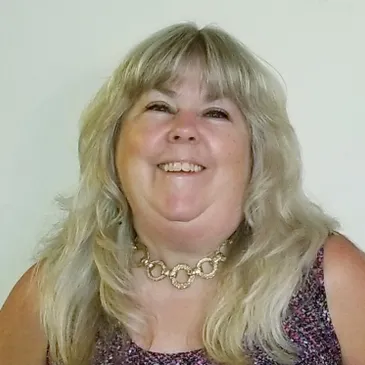
Deanna Bailey
Program Director
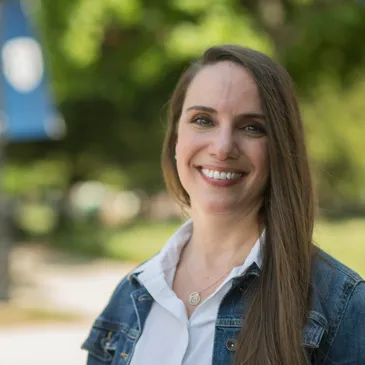
Stephanie Snyder
Licensed Clinical Alcohol & Drug Counselor
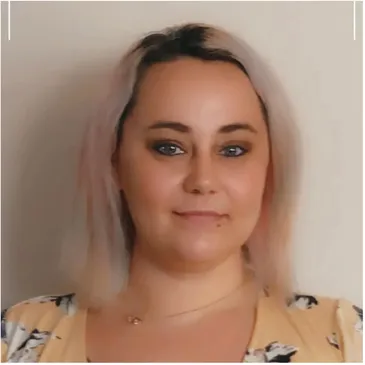
Keisha Clopper
Psychology with an Addictions
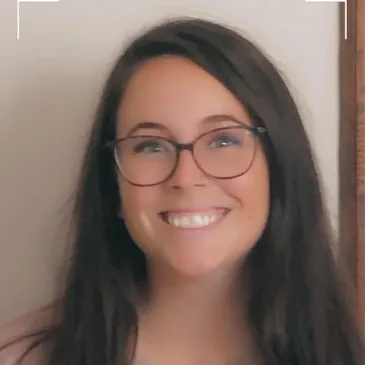
Tyler Earley
Associate Counselor
Accreditations

The Substance Abuse and Mental Health Services Administration (SAMHSA) is a branch of the U.S. Department of Health and Human Services. Established in 1992 by congress, SAMHSA's mission is to reduce the impact of substance abuse and mental illness on American's communities.
SAMHSA Listed: Yes

State Licenses are permits issued by government agencies that allow rehab organizations to conduct business legally within a certain geographical area. Typically, the kind of program a rehab facility offers, along with its physical location, determines which licenses are required to operate legally.
State License: Maryland
Rehab.com regularly reviews this listing for accuracy but changes may occur between updates. For the most up-to-date information, please contact Adac (Alternative Drug & Alcohol Counseling).
Contact Information

324 E Antietam St
# 308,
Hagerstown, MD 21740
Get Help Now - 443-376-8502
Sponsored Helpline
Sponsored Helpline

