






























































































Alpha Omega is the best place for recovery in Vermilion County. They have outstanding customer service, professional counselors, friendly staff, and informative classes. They have helped me very much.
About Alpha Omega Counseling Services
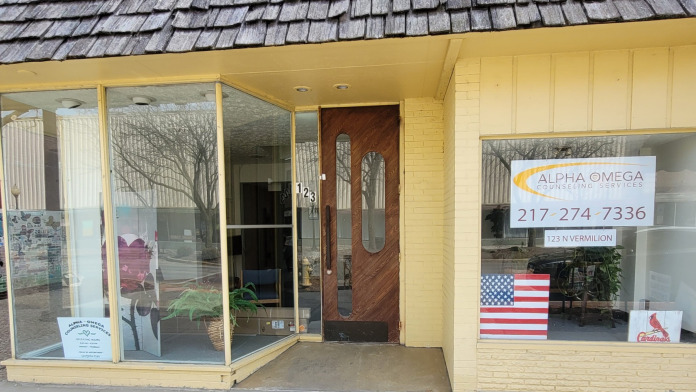
Alpha Omega Counseling Services is located in the city of Danville in Illinois. The facility offers treatment for substance use disorder (SUD) and problem gambling. They specialize in DUI evaluations. They offer an intensive outpatient program (IOP) and aftercare program. They accept cash, private health insurance, and government funding for SUD programs. This is a veteran owned treatment facility.
Addiction and Problem Gambling Treatment in Danville, Illinois
The facility is centrally located with easy access to public transportation and local amenities. There are several parks, the Vermilion County Museum, and the Fischer Theatre that offer healing and enriching opportunities for clients in recovery.
Not all addiction treatment facilities offer treatment for problem gambling. I think many clients will appreciate that they can get help for their gambling problem at this facility. Many clients with SUD have co occurring gambling disorders, so this is a valuable addition to the treatment regimen.
A Welcoming Addiction Treatment Environment
The treatment team is welcoming, and they have experience treating many different types of clients. They welcome clients from the LGBTQ+ community, Veterans, military family members, pregnant and postpartum women, seniors, and clients with HIV/AIDS. They also welcome Spanish speaking clients and have services in Spanish and English.
One client mentioned that “Kerry and his team are caring, knowledgeable, and dedicated to the recovery of their clients.”
DUI Evaluations are available. Part of the DUI evaluation process is to determine the nature of the client’s substance use or addiction to identify the offender’s risk to the public. An appropriate treatment plan can then be developed.
I noticed that after successful completion of the treatment programs, there is an outpatient aftercare program. The aftercare program is a continued counseling program to ensure clients stay on their road to recovery.
Latest Reviews
Kerry and his team are caring, knowledgeable, and dedicated to the recovery of their clients. They offer needed services such as DUI assessments, group and individual counseling, gambling services, and more. They are also a resource for spanish speaking clients.
Reviewed on 11/30/2018
Alpha Omega is the best place for recovery in Vermilion County. They have outstanding customer service, professional counselors, friendly staff, and informative classes. They have helped me very much.
Great place
Response from the owner1 day ago
Thank you very much. 
Rehab Score
 Our Methodology
Scoring is assigned by a proprietary system which helps surface key metrics that determine quality. The 10-point scale factors in categories such as operations, customer satisfaction, and trust metrics. Read Full Methodology

6 / 10
Gallery
Other Forms of Payment
Self-pay involves paying for treatment out of your own pocket. You can use savings or credit, get a personal loan, or receive help from family and friends to fund your treatment. If you don't have insurance or your insurance plan doesn't cover a specific program, self-pay can help ensure you still get the care you need.
Addiction Treatments
Levels of Care
Outpatient Programs (OP) are for those seeking mental rehab or drug rehab, but who also stay at home every night. The main difference between outpatient treatment (OP) and intensive outpatient treatment (IOP) lies in the amount of hours the patient spends at the facility. Most of the time an outpatient program is designed for someone who has completed an inpatient stay and is looking to continue their growth in recovery. Outpatient is not meant to be the starting point, it is commonly referred to as aftercare.
Intensive Outpatient Programs (IOP) are for those who want or need a very structured treatment program but who also wish to live at home and continue with certain responsibilities (such as work or school). IOP substance abuse treatment programs vary in duration and intensity, and certain outpatient rehab centers will offer individualized treatment programs.
Treatments
The goal of treatment for alcoholism is abstinence. Those with poor social support, poor motivation, or psychiatric disorders tend to relapse within a few years of treatment. For these people, success is measured by longer periods of abstinence, reduced use of alcohol, better health, and improved social functioning. Recovery and Maintenance are usually based on 12 step programs and AA meetings.
Drug rehab in Illinois is designed to help people recover from addiction to a number of substances. The length of each program and its intensity tend to vary, and the plan of care is based on your individual needs.
Many of those suffering from addiction also suffer from mental or emotional illnesses like schizophrenia, bipolar disorder, depression, or anxiety disorders. Rehab and other substance abuse facilities treating those with a dual diagnosis or co-occurring disorder administer psychiatric treatment to address the person's mental health issue in addition to drug and alcohol rehabilitation.
Opioid rehabs specialize in supporting those recovering from opioid addiction. They treat those suffering from addiction to illegal opioids like heroin, as well as prescription drugs like oxycodone. These centers typically combine both physical as well as mental and emotional support to help stop addiction. Physical support often includes medical detox and subsequent medical support (including medication), and mental support includes in-depth therapy to address the underlying causes of addiction.
Substance rehabs focus on helping individuals recover from substance abuse, including alcohol and drug addiction (both illegal and prescription drugs). They often include the opportunity to engage in both individual as well as group therapy.
Programs
Adult rehab programs include therapies tailored to each client's specific needs, goals, and recovery progress. They are tailored to the specific challenges adult clients may face, including family and work pressures and commitments. From inpatient and residential treatment to various levels of outpatient services, there are many options available. Some facilities also help adults work through co-occurring conditions, like anxiety, that can accompany addiction.
Recovery is most successful when clients feel accepted and validated by their peers and treatment providers. Facilities that offer LGBTQ-inclusive programming are committed to creating a safe space where everyone can grow and recover without fear of judgment or discrimination. They will have dedicated policies in place to create a safe and supportive environment that fosters free expression.
Serving in the military is both mentally and physically challenging, and can result in trauma that persists even after combat ends. Military programs are tailored to the specific and often complex needs of active duty personnel, veterans, and military families. Clients often access these programs through the U.S. Department of Veterans Affairs (VA).
Young adulthood can be an exciting, yet difficult, time of transition. Individuals in their late teens to mid-20s face unique stressors related to school, jobs, families, and social circles, which can lead to a rise in substance use. Rehab centers with dedicated young adult programs will include activities and amenities that cater to this age group, with an emphasis on specialized counseling, peer socialization, and ongoing aftercare.
Clinical Services
Research clearly demonstrates that recovery is far more successful and sustainable when loved ones like family members participate in rehab and substance abuse treatment. Genetic factors may be at play when it comes to drug and alcohol addiction, as well as mental health issues. Family dynamics often play a critical role in addiction triggers, and if properly educated, family members can be a strong source of support when it comes to rehabilitation.
Group therapy is any therapeutic work that happens in a group (not one-on-one). There are a number of different group therapy modalities, including support groups, experiential therapy, psycho-education, and more. Group therapy involves treatment as well as processing interaction between group members.
Trauma therapy addresses traumatic incidents from a client's past that are likely affecting their present-day experience. Trauma is often one of the primary triggers and potential causes of addiction, and can stem from child sexual abuse, domestic violence, having a parent with a mental illness, losing one or both parents at a young age, teenage or adult sexual assault, or any number of other factors. The purpose of trauma therapy is to allow a patient to process trauma and move through and past it, with the help of trained and compassionate mental health professionals.
Rehab.com regularly reviews this listing for accuracy but changes may occur between updates. For the most up-to-date information, please contact Alpha Omega Counseling Services.
Contact Information

123 North Vermilion Street
Danville, IL 61832
Get Help Now - 708-470-6920
Sponsored Helpline
Sponsored Helpline



