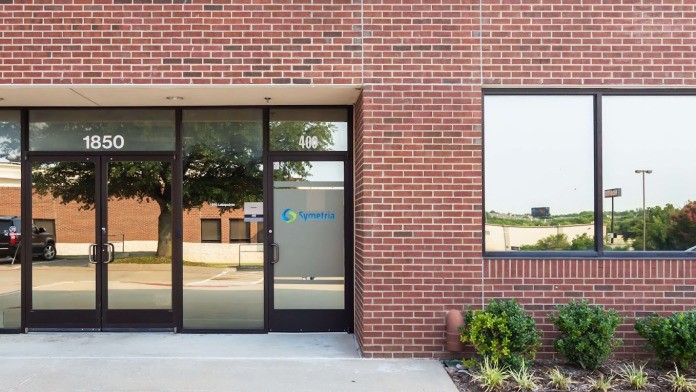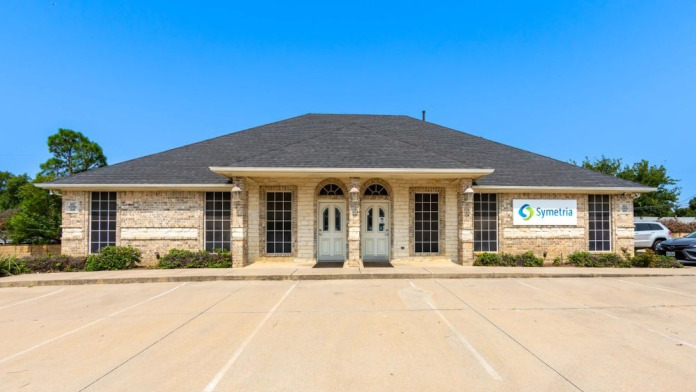
Symetria — Hurst Outpatient Rehab & Suboxone Clinic
1
Top 10 Rehab Centers In Hurst


































































































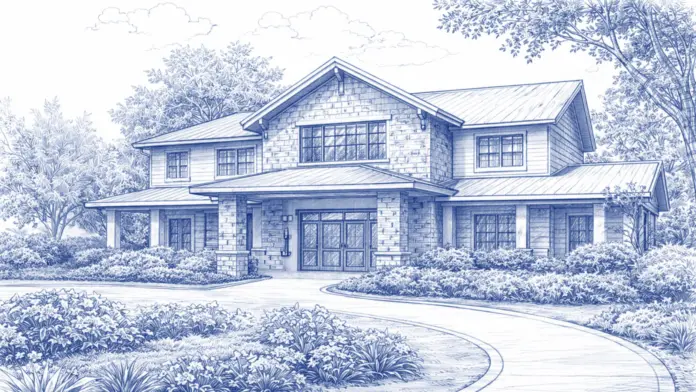
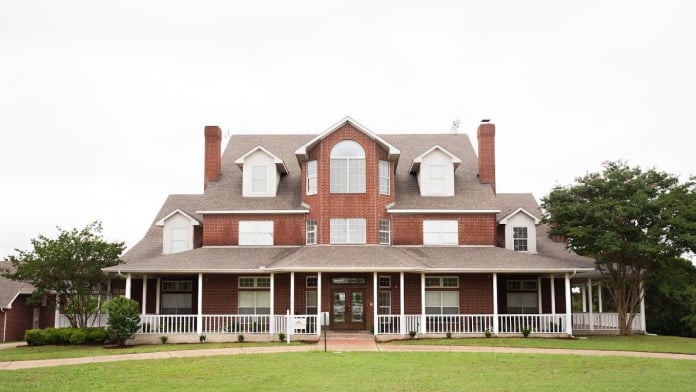
Arise Recovery Centers provides addiction treatment for North Austin, Texas.
The center treats alcohol and drug use disorders alongside co-occurring mental health conditions using traditional and holistic approaches.
Arise focuses on healing the mind, body and spirit while helping adults build the life skills needed for lasting recovery.
Arise specializes in Intensive Outpatient and Supportive Outpatient programs for adults 18 and over.
Intensive treatment averages 8 weeks with 10 hours of clinical care weekly while the supportive program runs about 10 weeks with lighter scheduling. Clients choose morning or afternoon sessions to fit their lives.
Treatment blends Cognitive Behavioral Therapy and Motivational Interviewing with holistic practices like meditation and yoga.
Group therapy meets three times per week in small groups complemented by weekly individual counseling and dedicated family sessions.
This structure targets both the symptoms and underlying causes of substance use.
Arise offers Medication-Assisted Treatment for those managing opioid use disorders.
The center also provides tailored options for professionals and executives as well as faith-based programming for clients seeking spiritual guidance in recovery.
 61 - 90
 Our Methodology


Private insurance refers to any kind of healthcare coverage that isn't from the state or federal government. This includes individual and family plans offered by an employer or purchased from the Insurance Marketplace. Every plan will have different requirements and out of pocket costs so be sure to get the full details before you start treatment.
Self-pay involves paying for treatment out of your own pocket. You can use savings or credit, get a personal loan, or receive help from family and friends to fund your treatment. If you don't have insurance or your insurance plan doesn't cover a specific program, self-pay can help ensure you still get the care you need.
Intensive outpatient programs offer high-level care for clients as an increased risk of relapse, including those in early recovery, those with a strong history of relapse, and those experiencing a crisis. Intensive outpatient treatment typically requires clients to engage in nine to 20 hours of care weekly, with treatment modalities that combine psychotherapy and recovery education, and holistic therapies, such as acupuncture and animal therapy. Medication assisted treatment (MAT) is also common in alcohol and/or opioid recovery.
Telehealth in Texas encompasses four main applications. These are mobile health, store-and-forward, remote patient monitoring, and live video. Practitioners leverage these technologies to provide healthcare from a distance, which increases convenience and reduces cost.
Alcoholism occurs when a person becomes physically and psychologically dependent on alcohol. Attending a professional alcohol rehab in Texas can provide customized intervention methods to address the physical, mental, and relational challenges of addiction.
 Opioid Addiction
During rehab in Texas, you'll deal with underlying issues that contribute to addiction. By addressing these challenges and learning healthy ways to cope with them, you'll develop strategies that help you live a drug-free lifestyle.
Substance abuse treatment is available in Texas for anyone who's struggling with drug or alcohol addiction. These programs usually provide a comprehensive assessment and individualized treatment plan, and include evidence-based treatments, like therapies such as cognitive-behavioral therapy (CBT) to reframe unhelpful coping strategies, and dialectical behavior therapy (DBT) to help with emotional regulation and stress.
With a co-occurring drug or alcohol addiction and a mental health disorder, you'll want to seek out a dual diagnosis treatment center. These specialized rehabs offer services to address both conditions at the same time, including 24/7 access to medical and mental health professionals. By treating both disorders at the same time, it drastically increases your chances of successful long-term recovery.
Texas's specialized dual-diagnosis addiction treatment programs prioritize comprehensive care for individuals with co-occurring substance use disorders and mental health conditions. These programs offer diverse levels of care, including outpatient, inpatient, and partial hospitalization options. Evidence-based therapies, trauma-informed care, group work, and educational workshops help treat both conditions at the same time and give you the tools to sustain mental health and sobriety.
Adult rehab programs include therapies tailored to each client's specific needs, goals, and recovery progress. They are tailored to the specific challenges adult clients may face, including family and work pressures and commitments. From inpatient and residential treatment to various levels of outpatient services, there are many options available. Some facilities also help adults work through co-occurring conditions, like anxiety, that can accompany addiction.
The goal of cognitive behavioral therapy (CBT) in Texas is to change thought patterns, which leads to changes in behavior. Specific techniques during CBT can include self talk, SMART goals, journaling, and positive activities.
Therapy sessions that incorporate motivational interviewing focus on OARS: open questions, affirmation, reflections, and summarizing. This facilitates an exchange of information and an empowering of the client to decide for themselves what changes might need to be made in their lives.

The Joint Commission, formerly known as JCAHO, is a nonprofit organization that accredits rehab organizations and programs. Founded in 1951, the Joint Commision's mission is to improve the quality of patient care and demonstrating the quality of patient care.
Joint Commission Accreditation: Yes
Rehab.com regularly reviews this listing for accuracy but changes may occur between updates. For the most up-to-date information, please contact Arise Recovery Centers.

7600 Burnet Rd #130, Austin, TX 78757
Sponsored Helpline

Give this place a call you won’t regret it!! Their purpose of helping people is their only aim!!! Thresa ROCKS!!!

Devon was great to work with! Thank you

could not recommend this place more- staff is beyond incredible!! they really do care! Tina is the best!!!!!

The only person who cares is Tina. The rest of the counselors are petty and I was leaving meetings more frustrated than when I walked in or joined an online session
 Back
Back
Sharing your insights and experiences can help others learn more about this rehab center.