


















































































































All the staff was nice and they took great care of me. They were able to answer all my questions plus offer further instructions that would assist me in the future. I was pleased with the way things were handled. They turned a negative situation into a positive
About Aultman Medical Group Behavioral Health and Counseling Center
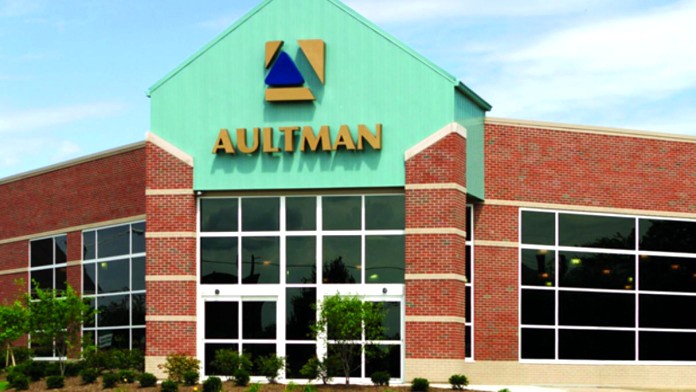
Aultman Medical Group Behavioral Health and Counseling Center is an outpatient mental health and counseling practice in Canton, Ohio, treating adults and young adults living with anxiety, depression, bipolar disorder, PTSD, and related conditions. The center offers two levels of structured care: an Intensive Outpatient Program with daily group counseling, and general outpatient counseling scheduled around the client’s availability. The practice is part of the Aultman Health Foundation system, with in-person sessions on the Aultman Hospital campus and telehealth options for continuing patients.
Outpatient Mental Health and Counseling in Canton, Ohio
Aultman Medical Group Behavioral Health and Counseling Center provides outpatient programs designed around each client’s schedule and clinical needs. Clinicians use evidence-based modalities including cognitive behavioral therapy, dialectical behavior therapy, EMDR, individual therapy, and group therapy, with medication management available through the practice’s psychiatrists and prescribing clinicians.
Clients who need more structure than weekly sessions can step up to the Intensive Outpatient Program, a group-based track with daily counseling for adults working through more acute mental health concerns. The IOP is built to support stabilization, coping skill development, and a return to independence without the disruption of inpatient care.
Dual Diagnosis and Co-Occurring Conditions
For clients living with both a mental health condition and a substance use disorder, the team provides dual diagnosis treatment that addresses both concerns in coordination rather than in sequence. Care often includes psychiatric assessment, medication management, talk therapy, and family or couples counseling, with additional options such as expressive art therapy, nicotine replacement therapy, and electroconvulsive therapy available for severe, treatment-resistant mental health conditions.
Location, Insurance, and Getting Started
The practice is located at 2600 Tuscarawas St W, Suite 340, in Canton, OH 44708, with both in-person and telehealth options for continuing patients. Aultman Medical Group Behavioral Health and Counseling Center works with private insurance plans including Aetna, Humana, UnitedHealth Group, Blue Cross Blue Shield, and Cigna, and also accepts Medicaid, Medicare, and self-pay arrangements.
Adults and young adults can browse other treatment centers in Canton, Ohio to compare local programs, or contact the practice at (330) 493-9607 to schedule an initial appointment.
Fact checked and written by:
Courtney Myers, MS
Edited by:
Peter Lee, PhD
Latest Reviews
I have seen Dr. Rich for years and have never met a kinder, more compassionate listener and advisor. He spends a full hour with me each time I see him for med check and has helped me more than I can express. He explains things thoroughly and answers every question. I also recommend Tiffany as a counselor. She has been tremendously helpful in my struggles with anxiety.
Thank you so much for taking the time to share your kind thoughts with us. We're all wishing you the best. Take care!
Response from the owner1 month ago
Hi Cindy, Thank you so much for taking the time to share your kind thoughts with us. We're all wishing you the best. Take care!
On behalf of My Family we want to give the Highest ratings for Dr Michael Rich and also THANK YOU and the staff for the most caring and supportive treatment of my Mother for the past 30 years! The respect appreciate all you have done and the support you have given throughout all the years!! You are the Best!!!
Thank you for taking the time to share your kind thoughts and rating with us. We're all wishing you the best - take care!
Response from the owner1 month ago
Hi Evelyn,Thank you for taking the time to share your kind thoughts and rating with us. We're all wishing you the best - take care!
Very helpful please

Rehab Score
 Our Methodology
Scoring is assigned by a proprietary system which helps surface key metrics that determine quality. The 10-point scale factors in categories such as operations, customer satisfaction, and trust metrics. Read Full Methodology

5.8 / 10
Gallery
Accepted Insurance
Other Forms of Payment
Medicaid is a state based program that helps lower-income individuals and families pay for healthcare. Medicaid covers addiction treatment so those enrolled can use their coverage to pay for rehab. When a program accepts Medicaid the client often pays very little or nothing out of their own pocket.
Private insurance refers to any kind of healthcare coverage that isn't from the state or federal government. This includes individual and family plans offered by an employer or purchased from the Insurance Marketplace. Every plan will have different requirements and out of pocket costs so be sure to get the full details before you start treatment.
Self-pay involves paying for treatment out of your own pocket. You can use savings or credit, get a personal loan, or receive help from family and friends to fund your treatment. If you don't have insurance or your insurance plan doesn't cover a specific program, self-pay can help ensure you still get the care you need.
Medicare is a federal program that provides health insurance for those 65 and older. It also serves people under 65 with chronic and disabling health challenges. To use Medicare for addiction treatment you need to find a program that accepts Medicare and is in network with your plan. Out of pocket costs and preauthorization requirements vary, so always check with your provider.
Addiction Treatments
Levels of Care
Residential treatment programs are those that offer housing and meals in addition to substance abuse treatment. Rehab facilities that offer residential treatment allow patients to focus solely on recovery, in an environment totally separate from their lives. Some rehab centers specialize in short-term residential treatment (a few days to a week or two), while others solely provide treatment on a long-term basis (several weeks to months). Some offer both, and tailor treatment to the patient's individual requirements.
Treatments
Many of those suffering from addiction also suffer from mental or emotional illnesses like schizophrenia, bipolar disorder, depression, or anxiety disorders. Rehab and other substance abuse facilities treating those with a dual diagnosis or co-occurring disorder administer psychiatric treatment to address the person's mental health issue in addition to drug and alcohol rehabilitation.
Mental health rehabs focus on helping individuals recover from mental illnesses like bipolar disorder, clinical depression, anxiety disorders, schizophrenia, and more. Mental health professionals at these facilities are trained to understand and treat mental health issues, both in individual and group settings.
Programs
Adult rehab programs include therapies tailored to each client's specific needs, goals, and recovery progress. They are tailored to the specific challenges adult clients may face, including family and work pressures and commitments. From inpatient and residential treatment to various levels of outpatient services, there are many options available. Some facilities also help adults work through co-occurring conditions, like anxiety, that can accompany addiction.
Young adulthood can be an exciting, yet difficult, time of transition. Individuals in their late teens to mid-20s face unique stressors related to school, jobs, families, and social circles, which can lead to a rise in substance use. Rehab centers with dedicated young adult programs will include activities and amenities that cater to this age group, with an emphasis on specialized counseling, peer socialization, and ongoing aftercare.
Clinical Services
Cognitive Behavioral Therapy (CBT) is a therapy modality that focuses on the relationship between one's thoughts, feelings, and behaviors. It is used to establish and allow for healthy responses to thoughts and feelings (instead of unhealthy responses, like using drugs or alcohol). CBT has been proven effective for recovering addicts of all kinds, and is used to strengthen a patient's own self-awareness and ability to self-regulate. CBT allows individuals to monitor their own emotional state, become more adept at communicating with others, and manage stress without needing to engage in substance abuse.
Whether a marriage or other committed relationship, an intimate partnership is one of the most important aspects of a person's life. Drug and alcohol addiction affects both members of a couple in deep and meaningful ways, as does rehab and recovery. Couples therapy and other couples-focused treatment programs are significant parts of exploring triggers of addiction, as well as learning how to build healthy patterns to support ongoing sobriety.
Dialectical Behavior Therapy (DBT) is a modified form of Cognitive Behavioral Therapy (CBT), a treatment designed to help people understand and ultimately affect the relationship between their thoughts, feelings, and behaviors. DBT is often used for individuals who struggle with self-harm behaviors, such as self-mutilation (cutting) and suicidal thoughts, urges, or attempts. It has been proven clinically effective for those who struggle with out-of-control emotions and mental health illnesses like Borderline Personality Disorder.
ECT is a form of treatment in which controlled electric currents are passed through the brain, sometimes causing short seizures. Treatments are done under general anesthesia. ECT appears to change brain chemistry for the better, and has been shown to provide fast and sometimes dramatic improvements in severe mental health conditions that can exist alongside addiction, including depression, bipolar disorder, psychosis, and suicidality. ECT is also often used by those who prefer it to taking medication.
Research clearly demonstrates that recovery is far more successful and sustainable when loved ones like family members participate in rehab and substance abuse treatment. Genetic factors may be at play when it comes to drug and alcohol addiction, as well as mental health issues. Family dynamics often play a critical role in addiction triggers, and if properly educated, family members can be a strong source of support when it comes to rehabilitation.
Group therapy is any therapeutic work that happens in a group (not one-on-one). There are a number of different group therapy modalities, including support groups, experiential therapy, psycho-education, and more. Group therapy involves treatment as well as processing interaction between group members.
In individual therapy, a patient meets one-on-one with a trained psychologist or counselor. Therapy is a pivotal part of effective substance abuse treatment, as it often covers root causes of addiction, including challenges faced by the patient in their social, family, and work/school life.
Nicotine Replacement Therapy (NRT) is a way of getting nicotine into the bloodstream without smoking. It uses products that supply low doses of nicotine to help people stop smoking. The goal of therapy is to cut down on cravings for nicotine and ease the symptoms of nicotine withdrawal.
Staff
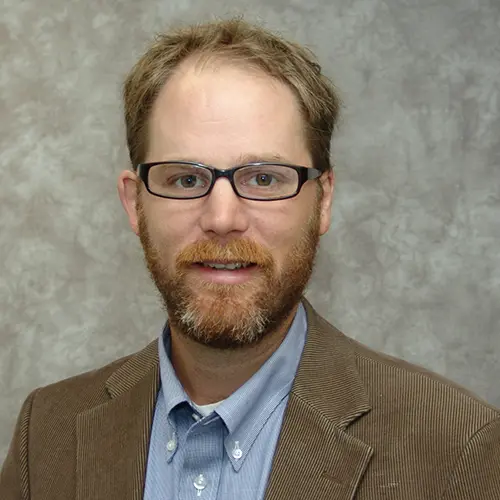
Mark D. Snavely, MD
Physicians
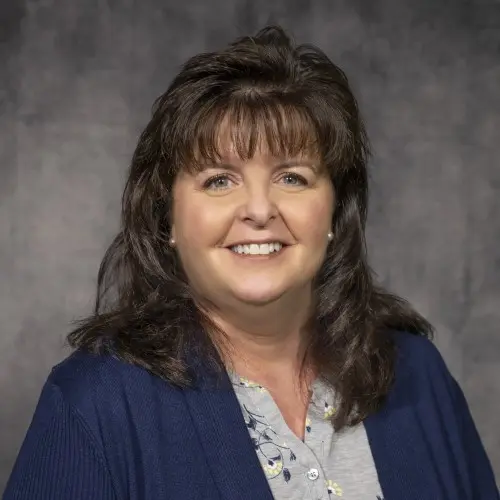
Liesa Kaye, MSW, LISW-S
Physicians
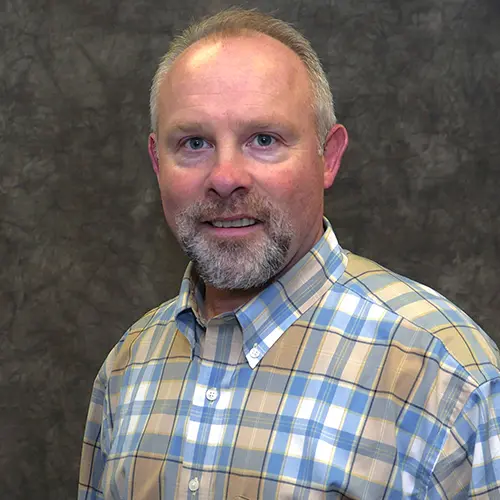
Edward Dickerhoof, LPCC-S
Physicians
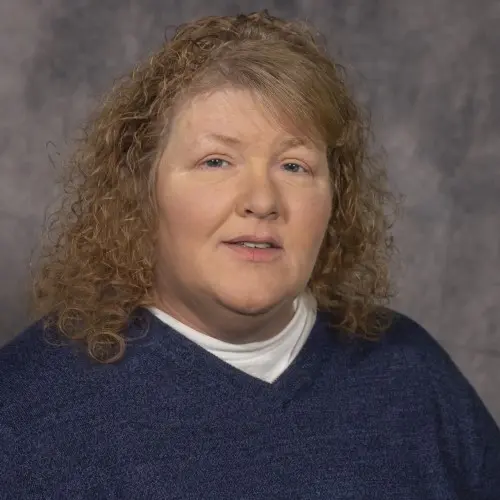
Ronda Hillman, MSW, LSW
Physicians
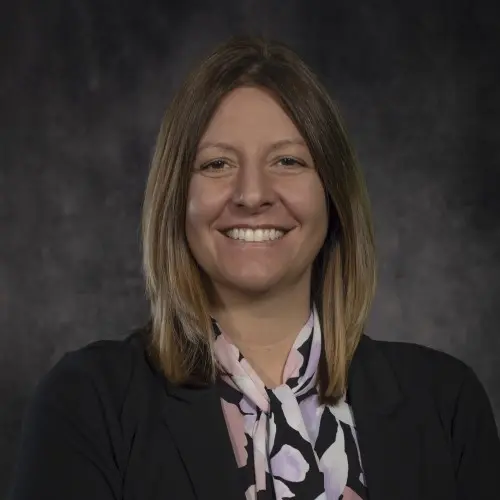
Stacey Fleming, LPCC
Physicians
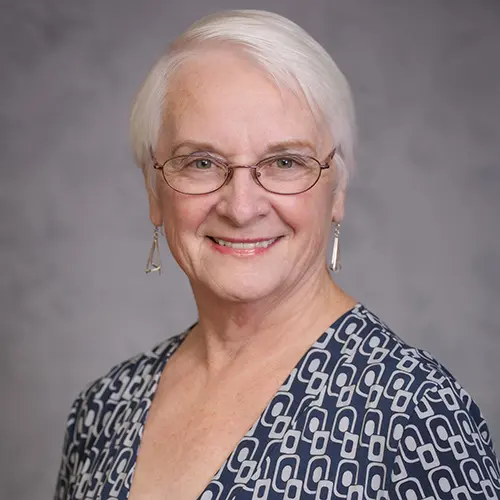
Carolyn Buck, LPCC
Physicians
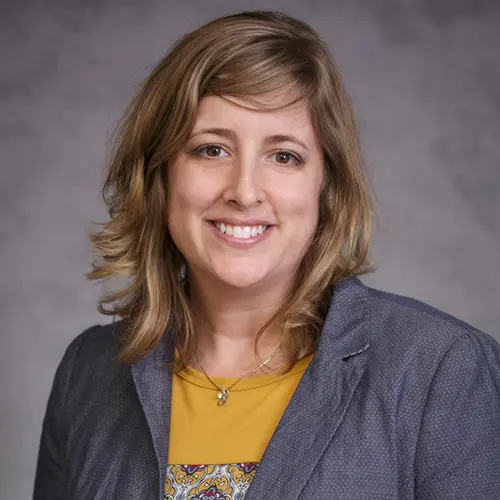
Teri A. Lieser, PMH-CNS, DNP
Physicians
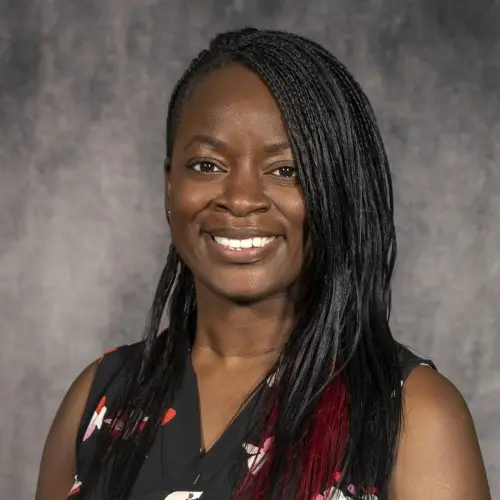
Abena Holben, LPC
Physicians
Rehab.com regularly reviews this listing for accuracy but changes may occur between updates. For the most up-to-date information, please contact Aultman Medical Group Behavioral Health and Counseling Center.
Contact Information

2600 Tuscarawas St W
#340
Canton, OH 44708
Get Help Now - 216-400-9839
Sponsored Helpline
Sponsored Helpline


