









All In Solutions Detox
1
Top 10 Rehab Centers In Simi Valley



















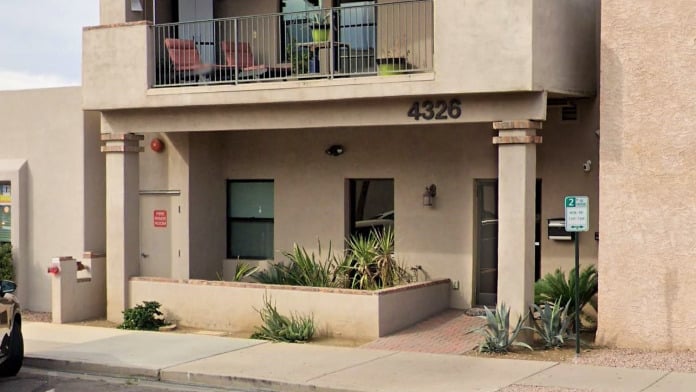
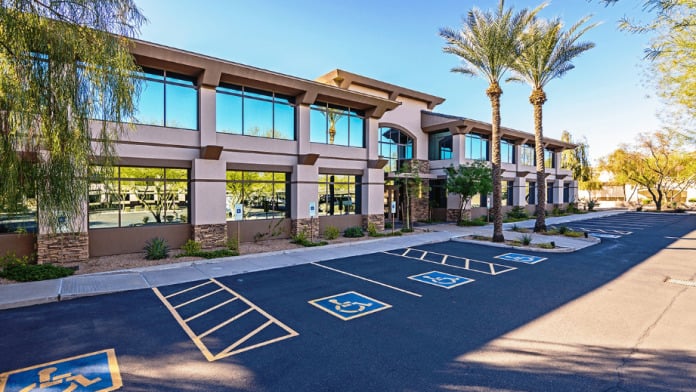
You’ll find Axiom Care in Glendale, Arizona, with additional locations in the region. They’re mission is to deliver a full continuum of substance abuse care (including medication assisted treatment and detox) to residents struggling with addiction. The organization has a special interest in underserved populations (such as Indigenous peoples and the homeless).
Something I like about their approach is that they accept people regardless of their history with addiction and recovery. Their services are designed for all levels of care and their aftercare support similarly draws on a wide number of resources to accommodate all needs.
Medicaid, American Indian Health Plan, and other insurance plans are accepted. They’ll help you regardless of your finances.
Drug and alcohol addiction treatment isn’t always available to those who are incarcerated. Without robust and comprehensive support, the risk of relapse and reoffending is high. Axiom has a specialized program specifically for the justice involved designed for long lasting behavioral change.
This program brings together individual care and case management to get on the path of long term sobriety. The services focus on total support for health, independent living and reducing the risk of reoffending and homelessness (both of which are common among drug related offenders). They accept self referrals and referrals from the prison and legal systems.
The number of public transportation options in Phoenix is a blessing for anyone in recovery. Whether you choose to catch a bus or hop a ride on the light rail, you won’t have much trouble reaching the resources and programs you need, such as peer support groups and medical care.
It’s through their sober living options that this organization helps so many stay on the road to recovery and avoid dire circumstances like homelessness. You can utilize a sober living home if your home presents an unhealthy living situation or if you simply want more support before returning.
How you spend your time in this program is up to you. You’ll have access to all the resources Axiom offers during your stay.


 61 - 90

 Our Methodology


Medicaid is a state based program that helps lower-income individuals and families pay for healthcare. Medicaid covers addiction treatment so those enrolled can use their coverage to pay for rehab. When a program accepts Medicaid the client often pays very little or nothing out of their own pocket.
Self-pay involves paying for treatment out of your own pocket. You can use savings or credit, get a personal loan, or receive help from family and friends to fund your treatment. If you don't have insurance or your insurance plan doesn't cover a specific program, self-pay can help ensure you still get the care you need.
Financial aid can take many forms. Centers may have grants or scholarships available to clients who meet eligibility requirements. Programs that receive SAMHSA grants may have financial aid available for those who need treatment as well. Grants and scholarships can help you pai for treatment without having to repay.
The safest way to remove addictive substances from your body is done under the care of licensed medical professionals. Known as medically assisted detox, this level of care is typically in an inpatient setting with a team of medical experts that may include doctors, nurses, and mental health clinicians. Medications like Suboxone, methadone, or Vivitrol may be administered to help alleviate withdrawal symptoms.
Inpatient rehab is designed primarily for persons in early recovery and those who are exiting detox programs. It's ideal for clients in crisis or at an elevated risk of relapse. Inpatient treatment centers provide housing and meals, allowing clients to focus on their recovery away from distractions and addiction triggers. Clients engage in intensive psychotherapy, and many inpatient programs feature recovery-focused life skills training and/or complementary therapies like meditation, creative arts therapy, and other holistic treatments.
Many clients who enroll in an outpatient rehab program are exiting intensive inpatient care and no longer require such high-level clinical supervision. Outpatient programs typically follow a step-down structure, with treatment frequency and intensity decreasing as clients progress in their recovery journey. Partial hospitalization (PHP) and intensive outpatient (IOP) levels of care are the most time-intensive and are designed primarily for clients who have just left inpatient treatment or who are at an elevated risk of relapse.
Alcohol use disorder (AUD), also referred to as alcoholism and alcohol addiction, is a chronic condition that involves craving alcohol and an inability to control drinking. A person with AUD must drink greater and greater amounts of alcohol to achieve the same effects and experiences withdrawal symptoms if they stop drinking alcohol. Several evidence-based methods are available to treat AUD through alcohol rehab in Arizona. This treatment can occur on an outpatient or inpatient basis.
Drug rehab in Arizona is the process of treating individuals who are dependent on a particular addictive drug. Because addiction is complex, this treatment typically includes a variety of interventions that address the many physical and emotional issues involved.
 Opioid Addiction
Adult rehab programs include therapies tailored to each client's specific needs, goals, and recovery progress. They are tailored to the specific challenges adult clients may face, including family and work pressures and commitments. From inpatient and residential treatment to various levels of outpatient services, there are many options available. Some facilities also help adults work through co-occurring conditions, like anxiety, that can accompany addiction.
Also known as CBT, cognitive behavioral therapy in Arizona is one of the most common types of psychotherapy. It offers a structured method of counseling that effectively treats substance use disorder and dual diagnosis disorders.
The goal of motivational interviewing in Arizona is to enhance your confidence in your ability to make changes in your life. It encourages you to commit to change and plan for the process of making those changes that will allow you to reach your goals.
Individual therapy for drug and alcohol addiction includes focused attention on the unique challenges that trigger addictive behavior. During individual therapy sessions, you have a safe space in which to discuss stressors and emotional struggles. Therapy fosters trust and open communication that helps develop personalized strategies to overcome addiction.
In Arizona, group therapy helps promote accountability and motivation for men and women who want to stay committed to addiction recovery. It fosters a sense of community where you can share your progress and learn new coping strategies from your peers.
Family therapy involves sessions where members of the family discuss how addiction has affected them individually and collectively. Therapists can guide families in developing coping strategies that help support their loved one's recovery while also focusing on their own emotional health.
 Gym

The Joint Commission, formerly known as JCAHO, is a nonprofit organization that accredits rehab organizations and programs. Founded in 1951, the Joint Commision's mission is to improve the quality of patient care and demonstrating the quality of patient care.
Joint Commission Accreditation: Yes
Rehab.com regularly reviews this listing for accuracy but changes may occur between updates. For the most up-to-date information, please contact Axiom Care.

1422 N 44th St, Phoenix, AZ 85008
Sponsored Helpline


Axiom del sol gets you everything you need to succeed. Clean facility, great staff, don't worry about a thing, they'll help you figure things out. Big thanks to Tang, Eddie, Mike, and the lazy guy that sleeps in the lobby most of the night, the guy with the blue V4 mustang, butterball! Remember folks, I wasn't just a trustee, I was also a client, ACKNOWLEDGE ME!!!!!!!!

Best Place to Be Being Released From Perryville 2023. Thanks guys !!

Joey T really cares about the clients and their well being
 Back
Sharing your insights and experiences can help others learn more about this rehab center.