






























































































I have been to several treatment centers and I feel as though I got the most out of this place not only because i was ready to be sober but because it is a great program. I think there is still to much down time and weekends are long and boring. I feel that you will get out ...
About Helio Health – Insights of Helio Health
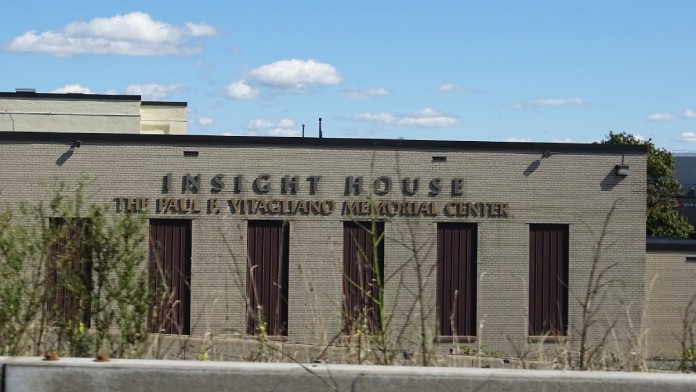
Addiction and mental health-related services offered at Insight House are for adults and are delivered on an outpatient basis. The program involves the treatment of co-occurring disorders, clinical assessments and comprehensive treatment planning, integrated outpatient treatment programs, detox treatment, counseling, medication assisted treatment, trauma therapy, and support for those who have experienced domestic violence.
Biopsychosocial assessments help clinicians to determine whether a person demonstrates features of substance use disorders and/or co-occurring mental health conditions and their severity. Once the severity of the condition is determined, clinicians can then decide on the appropriate level of care and intervention required. Counseling therapies at Insight House include individual counseling, group therapy, suicide prevention, trauma therapy, motivational interviewing, behavior modification, cognitive behavioral therapy, and family counseling.
Individuals using alcohol and/or drugs regularly may have a physical dependence on a substance and experience withdrawal symptoms if they stop abruptly. Insight House supports patients in these circumstances through the process of recovery by first comfortably detoxifying and removing the substances from their bodies in conjunction with conducting medication assisted treatment. Patients are regularly monitored to ensure safety and correct dosage.
The outpatient clinic treats addiction and/or other co-occurring conditions. The program includes a thorough clinical assessment, individualized treatment planning, individual and group therapy, the opportunity to see a psychiatrist and receive medication management, relapse prevention techniques, skill building, and recovery support groups. Sessions are held several days per week, depending upon the individual’s circumstances.
Medication assisted treatment is the use of certain medications in combination with behavioral therapy, which reduce the risk of relapse and increase recovery longevity. The MAT program at Insight House includes counseling, support groups, and medication management in an outpatient setting. This program is appropriate for alcohol and substance use disorders and is available to adults. As program participants progress and stabilize, in person office appointments tend to become less frequent.
Insight House accepts Medicaid, state funding, private insurance plans, and self pay. There are sliding scale and financial assistance options available.
Facility Overview
 91+
91+ Avg Length of Stay in Days
Latest Reviews
I have had very good experiences all around with Helio Health in Utica. Specifically Alexis at reception is super helpful everything I call or go in person. I wanted to leave this review today because of how impressed I was with her continued customer service.
Thanks Alexis!
- Steven
Thank you for helping me find myself.
Danny- You kept your word, you're a stand up guy and you never gave up on me. You indeed opened my eyes. Thank you Danny!
Kayla- You're a bright star and a great soul, stay chipper and never change, you are a marvelous person. Thank you Kalya!
Jess- You are incredibly understanding and kind, one of the first people I met doing my intake and always so funny! Thank you Jess!
Morgan- Always a smile and goes above and beyond to help, a very gentle person in general. Thank you Morgan!
Rhonda/Jody/Dani- Thank you for your patience and all your help, I never had an issues and all three of you were extremely cordial to me. Thank you guys!
Ernie- Such a cool guy with a lot of personal experience, you taught me some valuable items for life to add to my inventory. Thank you Ernie!
Rich- I can't thank you enough for all your wise words and help during my stay in the program, you're a remarkable person. Thank you Rich!
Glen- Thank you for you group, you're an incredibly smart guy with a unique perspective. One of the most important parts of my week. Thank you Glen!
Kayla- You are always were so caring and I couldn't thank you enough for being as genuine and listening! Thank Kayla.
Gauvin- Loved working with you, me and you are a lot a like in many ways. You were a pleasure to work with. Thank you Gauvin!
Nakita- Never a bad sentence did I ever hear from you, always uplifting and positive/funny. Thank you Nakita!
Grace- Such a pleasant person with class, always there to boost our spirits/aid us in a timely manner. Thank you Grace!
Katrina- Always there to assist everyone with a smile and make us laugh, never annoyed or bothered which helped me get through each day. Thank you Katrina.
Lorenzo- Such a genuine individual, down to earth and inspired me to keep pushing forward. Thank you for everything brother.
Cat- You're an awesome woman, you made my stay here so much more tolerable. Extremely helpful and delightful to talk to. Thank you Cat!
Patty/Scott - The food was excellent, thank you for letting me assist you in the kitchen I had a blast and loved every second of it regardless of the circumstances. Thank you both!
Godspeed!
Insights of Helio is a great place to live and learn. They have an extremely dedicated staff that all contributed to the rebuilding of my mind, body, and spirit. It was a privilege and a blessing to receive the opportunity of attending their program.

Rehab Score
 Our Methodology
Scoring is assigned by a proprietary system which helps surface key metrics that determine quality. The 10-point scale factors in categories such as operations, customer satisfaction, and trust metrics. Read Full Methodology

6.9 / 10
Gallery
Other Forms of Payment
Private insurance refers to any kind of healthcare coverage that isn't from the state or federal government. This includes individual and family plans offered by an employer or purchased from the Insurance Marketplace. Every plan will have different requirements and out of pocket costs so be sure to get the full details before you start treatment.
Self-pay involves paying for treatment out of your own pocket. You can use savings or credit, get a personal loan, or receive help from family and friends to fund your treatment. If you don't have insurance or your insurance plan doesn't cover a specific program, self-pay can help ensure you still get the care you need.
Sliding scale payments are based on a client's income and family size. The goal is to make treatment affordable to everyone. By taking these factors into account, addiction recovery care providers help ensure that your treatment does not become a financial burden to you or your family, eliminating one barrier to care.
Medicaid is a state based program that helps lower-income individuals and families pay for healthcare. Medicaid covers addiction treatment so those enrolled can use their coverage to pay for rehab. When a program accepts Medicaid the client often pays very little or nothing out of their own pocket.
Addiction Treatments
Levels of Care
Outpatient rehabs offer an intermediate level of care for clients who do not require the kind of intensive supervision and support an inpatient program typically provides. Many clients transition into outpatient care immediately after exiting inpatient treatment. Others enter outpatient programs upon completing detox. Some facilities offer ambulatory medical detox for clients who do not require hospitalization. Most outpatient rehabs offer a combination of services, including addiction counseling, life skills training, and medication assisted treatment (MAT).
Residential treatment programs are those that offer housing and meals in addition to substance abuse treatment. Rehab facilities that offer residential treatment allow patients to focus solely on recovery, in an environment totally separate from their lives. Some rehab centers specialize in short-term residential treatment (a few days to a week or two), while others solely provide treatment on a long-term basis (several weeks to months). Some offer both, and tailor treatment to the patient's individual requirements.
Clients who enroll in an intensive outpatient program (IOP) are typically either in early recovery or are experiencing a crisis that increases their relapse risk. These programs promote clients' sustained sobriety through robust support, including multiple, extended care sessions per week. Intensive outpatient treatment often encompasses an array of services, including psychotherapy, recovery education, and evidence-based holistic therapies, such as acupuncture and meditation. Many outpatient rehabs also offer medication assisted treatment (MAT).
Clients in rehab aftercare programs receive a customized portfolio of services designed to promote their sustained sobriety. These clients have completed high-level treatment, are typically exiting detox and/or intensive inpatient care and are reintegrating into their home, workplace, and community. Rehab aftercare services address addiction disease as a chronic condition requiring continuing care. Clients typically work with case managers and recovery teams to access necessary resources, such as peer coaching and 12 step program induction support.
Participants in 12 step programs maintain access to community-based peer support, which is the programs' primary treatment modality. 12 step recovery combines personal growth with paper coaching. Participants regularly attend group meetings, which are free, anonymous, open to the public, and available multiple times per day in most communities. They are also mentored by self-selected sponsors who guide them through the steps of recovery. Age and gender specific and other specialized formats are common.
The ultimate goal of a sober living home in New York is to provide structure and support for those who want to maintain sobriety. Often, sober living homes are a transitional space for those moving from residential treatment to mainstream life. Residents typically stay at least 90 days, with most living in the halfway house for more than six months.
A drug intervention in New York occurs when family members and friends lovingly confront someone with a substance use disorder. The goal of this confrontation is to motivate the person to seek treatment. Loved ones point out how the person's destructive behavior is affecting them in hopes that they will agree to get help. Most inpatient rehab facilities offer intervention services that can help families walk through this process step by step.
Treatments
The goal of treatment for alcoholism is abstinence. Those with poor social support, poor motivation, or psychiatric disorders tend to relapse within a few years of treatment. For these people, success is measured by longer periods of abstinence, reduced use of alcohol, better health, and improved social functioning. Recovery and Maintenance are usually based on 12 step programs and AA meetings.
When you choose drug rehab in New York, you'll participate in a variety of treatments that are designed to help you live a drug-free lifestyle. Common methods of treatment include group, individual, and family counseling, medication management, nutrition, exercise, and management of co-occurring mental health disorders.
Many of those suffering from addiction also suffer from mental or emotional illnesses like schizophrenia, bipolar disorder, depression, or anxiety disorders. Rehab and other substance abuse facilities treating those with a dual diagnosis or co-occurring disorder administer psychiatric treatment to address the person's mental health issue in addition to drug and alcohol rehabilitation.
Opioid rehabs specialize in supporting those recovering from opioid addiction. They treat those suffering from addiction to illegal opioids like heroin, as well as prescription drugs like oxycodone. These centers typically combine both physical as well as mental and emotional support to help stop addiction. Physical support often includes medical detox and subsequent medical support (including medication), and mental support includes in-depth therapy to address the underlying causes of addiction.
Substance rehabs focus on helping individuals recover from substance abuse, including alcohol and drug addiction (both illegal and prescription drugs). They often include the opportunity to engage in both individual as well as group therapy.
Programs
Adult rehab programs include therapies tailored to each client's specific needs, goals, and recovery progress. They are tailored to the specific challenges adult clients may face, including family and work pressures and commitments. From inpatient and residential treatment to various levels of outpatient services, there are many options available. Some facilities also help adults work through co-occurring conditions, like anxiety, that can accompany addiction.
Young adulthood can be an exciting, yet difficult, time of transition. Individuals in their late teens to mid-20s face unique stressors related to school, jobs, families, and social circles, which can lead to a rise in substance use. Rehab centers with dedicated young adult programs will include activities and amenities that cater to this age group, with an emphasis on specialized counseling, peer socialization, and ongoing aftercare.
Clinical Services
Men and women receive emotional support from their peers during group therapy sessions. These are typically people who face the same struggles that you do. This exposure fosters a sense of camaraderie and community while reducing feelings of isolation and loneliness that often accompany addiction.
Men and women in New York undergoing one on one individual therapy for drug and alcohol addiction treatment will address the unique psychological and emotional aspects that are often associated with addiction triggers. Your therapist helps you build a relapse prevention plan and set achievable goals to improve your mental health and achieve long term sobriety.
Introduced in 1983, motivational interviewing is a method to help clients commit to change. It's based on the philosophy that change is hard, and clients must explore their own options and come to their own conclusions rather than receive warnings or advice from the therapist.
Trauma therapy addresses traumatic incidents from a client's past that are likely affecting their present-day experience. Trauma is often one of the primary triggers and potential causes of addiction, and can stem from child sexual abuse, domestic violence, having a parent with a mental illness, losing one or both parents at a young age, teenage or adult sexual assault, or any number of other factors. The purpose of trauma therapy is to allow a patient to process trauma and move through and past it, with the help of trained and compassionate mental health professionals.
You can participate in couples therapy to focus on a specific problem in your relationship or for general strengthening of the relationship. This therapy aims to help you improve communication, address conflict, and grow in affection for one another.
Family therapy helps individual members of the family unit navigate the complexities of addiction. Therapists provide you with the tools you need to improve communication skills and conflict resolution. When families work together, they can support their loved one's recovery and help to restore balance and harmony within the household.
Coping with day to day living is a challenge while in addiction recovery. Life skills training helps you learn how to manage daily tasks and deal with stress in healthy ways. This is key to long term recovery.
Amenities
-
 Residential Setting
 -
 Private Rooms
Staff
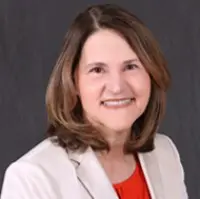
Kathleen Gaffney Babb
President and Chief Executive Officer
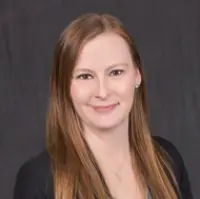
Lisa Mancini
Executive Vice President and Chief Operating Officer
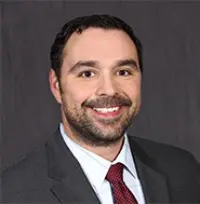
Ross Sullivan, DR
Executive Medical Director
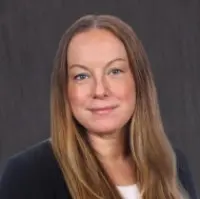
Katie Weldon
Chief Clinical Officer
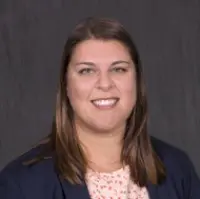
Kira Vasquez
Chief Compliance Officer
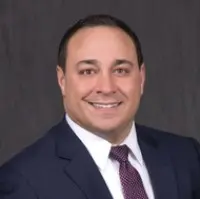
Robert Roberts
Chief Facility Operations Officer
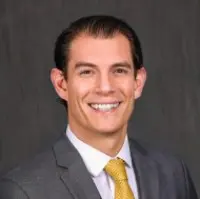
Jeffrey Justice
Chief Financial Officer
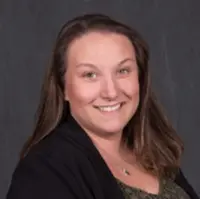
Colette Thompson
Chief Human Resource Officer
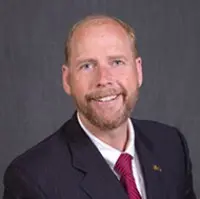
Corey Zeigler
Chief Information Officer
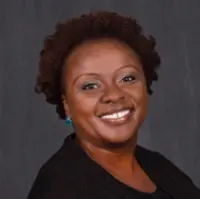
Florence Dukes
Chief Marketing Officer
Rehab.com regularly reviews this listing for accuracy but changes may occur between updates. For the most up-to-date information, please contact Helio Health – Insights of Helio Health.
Contact Information

500 Whitesboro Street
Utica, NY 13502
Get Help Now - 607-258-5947
Sponsored Helpline
Sponsored Helpline


