The Circle Club is a 501c3 organization that COULD govern itself lawfully and with maturity, but chooses not to due its inherent misogynistic culture. This organization operates like a boys club of lonely, grumpy and desperate men seeking women to degrade. I have been in vol ...
About Circle Club
Circle Club is a nonprofit addiction recovery resource in Melbourne, Florida, offering outpatient support and a strong 12 step community for individuals working to overcome alcohol and drug addiction.
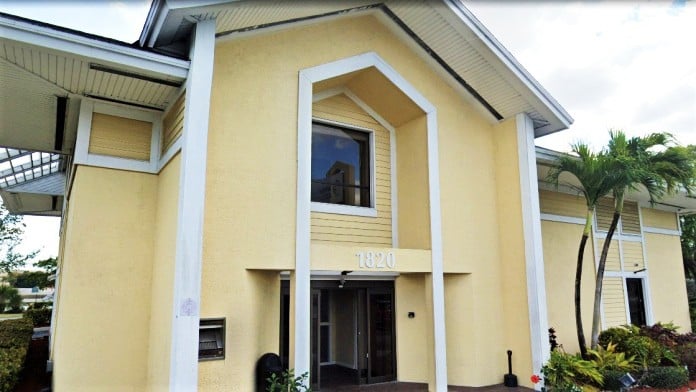
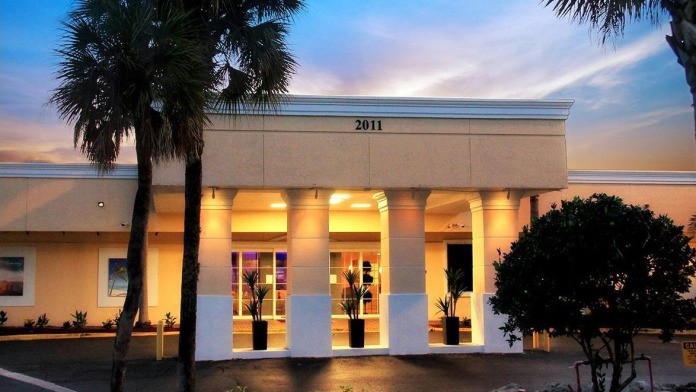
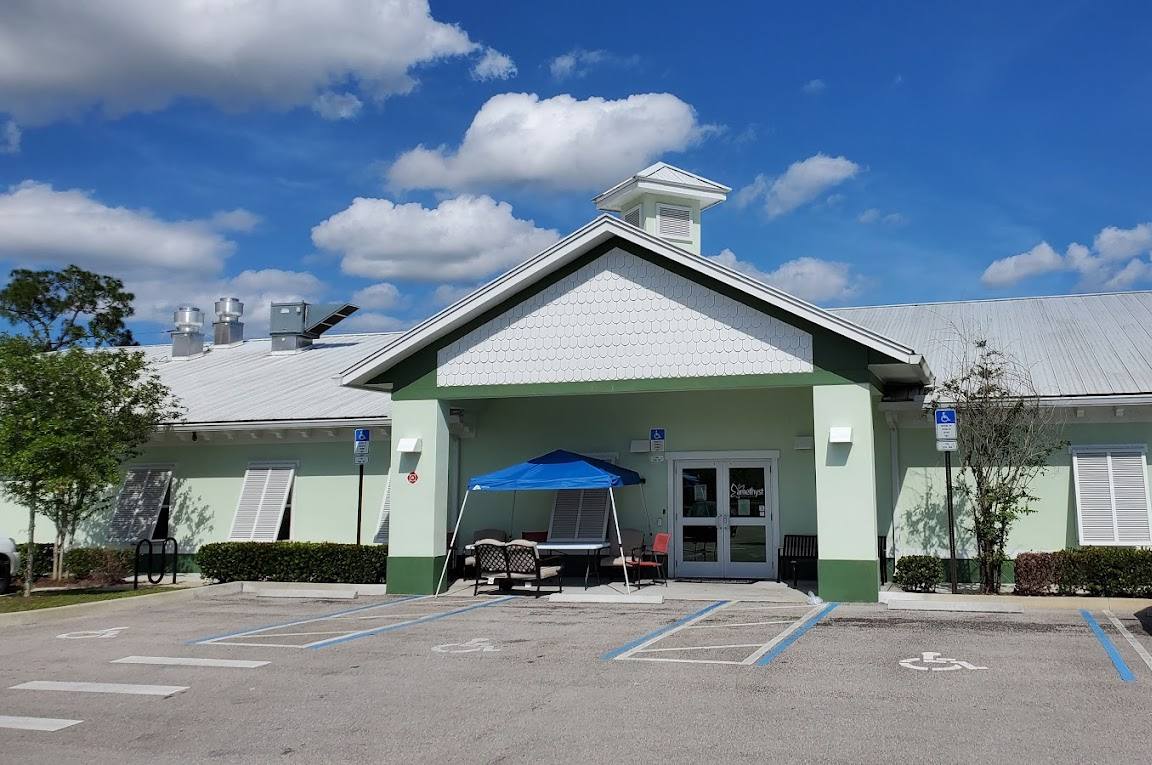
Located on East Eau Gallie Boulevard, the site serves as both an outpatient related service location and a recurring meeting space for peer led recovery groups.
Many in the local community appreciate its welcoming, community rooted atmosphere for AA and Al Anon gatherings.
What kinds of recovery support does Circle Club offer?
Circle Club provides outpatient addiction support, 12 step facilitation and aftercare or relapse prevention resources.
Group based support, psychoeducation, individual psychotherapy and family counseling are also referenced, giving participants multiple ways to engage with recovery while living at home.
Who can find help at Circle Club?
The program serves adults and young adults dealing with alcoholism, opioid addiction and other substance use concerns.
Men’s and women’s programming is available and the meeting based community welcomes individuals seeking ongoing peer connection in recovery.
Where is Circle Club located?
Circle Club is located on East Eau Gallie Boulevard in Melbourne, Florida, serving the surrounding Brevard County recovery community.
The site is wheelchair accessible and includes accessible restrooms, making it welcoming to a wide range of visitors.
How is treatment paid for?
Circle Club accepts cash or self payment.
As a nonprofit organization, much of its value comes through low barrier peer support meetings hosted regularly at the location.
How do I get started?
Getting involved typically begins by reaching out to Circle Club in Melbourne to learn about current meeting schedules and outpatient related support options.
A Community Centered Path Forward
Circle Club offers Melbourne residents a grounded, peer supported space where recovery and connection go hand in hand.
If you’re exploring outpatient support or a strong 12 step community, Circle Club may be a meaningful next step on your recovery journey.

Rehab Score
Location
Addiction Treatments
Levels of Care
12-step programs are addiction recovery models based on Alcoholics Anonymous (AA). A number of substance abuse programs (including some drug and alcohol rehab centers) use the 12 steps as a basis for treatment. Beginning steps involve admitting powerlessness over the addiction and creating a spiritual basis for recovery. Middle steps including making direct amends to those who've been hurt by the addiction, and the final step is to assist others in addiction recovery in the same way. 12-Step offshoots including Narcotics Anonymous (NA), Cocaine Anonymous (CA), Dual Recovery Anonymous (DRA), Sex and Love Addicts Anonymous (SLAA) and Gamblers Anonymous (GA).

Completing a drug or alcohol rehab program shouldn't spell the end of substance abuse treatment. Aftercare involves making a sustainable plan for recovery, including ongoing support. This can include sober living arrangements like halfway houses, career counseling, and setting a patient up with community programs like Alcoholics Anonymous (AA) or Narcotics Anonymous (NA).
Outpatient Programs (OP) are for those seeking mental rehab or drug rehab, but who also stay at home every night. The main difference between outpatient treatment (OP) and intensive outpatient treatment (IOP) lies in the amount of hours the patient spends at the facility. Most of the time an outpatient program is designed for someone who has completed an inpatient stay and is looking to continue their growth in recovery. Outpatient is not meant to be the starting point, it is commonly referred to as aftercare.

Treatments
The goal of treatment for alcoholism is abstinence. Those with poor social support, poor motivation, or psychiatric disorders tend to relapse within a few years of treatment. For these people, success is measured by longer periods of abstinence, reduced use of alcohol, better health, and improved social functioning. Recovery and Maintenance are usually based on 12 step programs and AA meetings.
Drug rehab in Florida provides quality treatment to help individuals overcome dependency related to a wide range of addictive substances. Programs address both the physical and mental aspects of addiction in order to help you make a full recovery.
Opioid rehabs specialize in supporting those recovering from opioid addiction. They treat those suffering from addiction to illegal opioids like heroin, as well as prescription drugs like oxycodone. These centers typically combine both physical as well as mental and emotional support to help stop addiction. Physical support often includes medical detox and subsequent medical support (including medication), and mental support includes in-depth therapy to address the underlying causes of addiction.

Substance rehabs focus on helping individuals recover from substance abuse, including alcohol and drug addiction (both illegal and prescription drugs). They often include the opportunity to engage in both individual as well as group therapy.
Programs
Adult rehab programs include therapies tailored to each client's specific needs, goals, and recovery progress. They are tailored to the specific challenges adult clients may face, including family and work pressures and commitments. From inpatient and residential treatment to various levels of outpatient services, there are many options available. Some facilities also help adults work through co-occurring conditions, like anxiety, that can accompany addiction.
Young adulthood can be an exciting, yet difficult, time of transition. Individuals in their late teens to mid-20s face unique stressors related to school, jobs, families, and social circles, which can lead to a rise in substance use. Rehab centers with dedicated young adult programs will include activities and amenities that cater to this age group, with an emphasis on specialized counseling, peer socialization, and ongoing aftercare.
Clinical Services
Research clearly demonstrates that recovery is far more successful and sustainable when loved ones like family members participate in rehab and substance abuse treatment. Genetic factors may be at play when it comes to drug and alcohol addiction, as well as mental health issues. Family dynamics often play a critical role in addiction triggers, and if properly educated, family members can be a strong source of support when it comes to rehabilitation.
Group therapy is any therapeutic work that happens in a group (not one-on-one). There are a number of different group therapy modalities, including support groups, experiential therapy, psycho-education, and more. Group therapy involves treatment as well as processing interaction between group members.
Rehab.com regularly reviews this listing for accuracy but changes may occur between updates. For the most up-to-date information, please contact Circle Club.
Contact Information
230 East Eau Gallie Boulevard
Melbourne, FL 32937