





























































































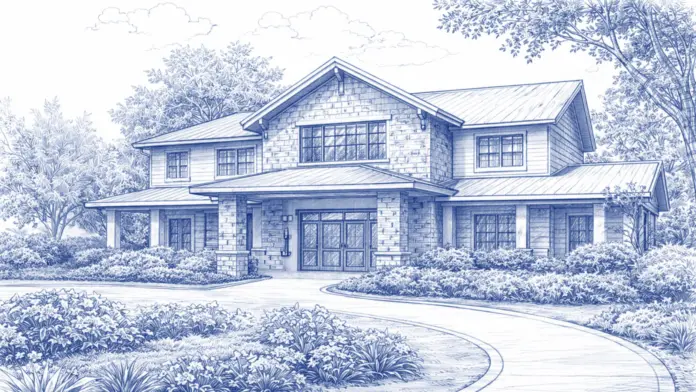
About Connections Community Support Programs
Connections Community Support Programs is a CARF accredited private nonprofit behavioral health provider that offers outpatient mental health and substance use disorder treatment in Claymont, Delaware. The organization specializes in medication assisted treatment, intensive outpatient programs, dual diagnosis services and evidence based therapies such as cognitive behavioral therapy, motivational interviewing and trauma informed counseling.
As a certified SAMHSA Opioid Treatment Program, Connections CSP provides coordinated and accessible care that supports individuals at every stage of recovery.
Medication Assisted Treatment for Opioid Use Disorder
Connections CSP is a certified opioid treatment program that delivers comprehensive medication assisted treatment using methadone, buprenorphine and naltrexone. The Naamans location offers full spectrum outpatient MAT services combined with counseling and recovery support to address both the medical and behavioral components of opioid use disorder.
Care plans combine medication services with proven counseling approaches such as relapse prevention, contingency management and community reinforcement. Clients receive personalized medication oversight along with regular therapy sessions, routine drug screening and medical monitoring to promote long term stability and reduce the risk of relapse.
Dual Diagnosis and Co-Occurring Disorder Care
Connections CSP provides integrated treatment for individuals with co-occurring mental health and substance use conditions. Clinicians trained in dual diagnosis care offer trauma informed counseling, mental health evaluations and coordinated psychiatric services.
Programs serve a wide range of clients, including veterans, pregnant and postpartum women, transitional age young adults and individuals involved in the criminal justice system. They offer in person services at the Claymont outpatient center and provide telehealth counseling across Delaware. The organization emphasizes evidence based practices in addiction and mental health care.
They accept Medicare, Medicaid, private insurance, TRICARE and self pay. Sliding fee scales and financial assistance programs are available for eligible clients.
Latest Reviews



Rehab Score
 Our Methodology


Location
Other Forms of Payment
Medicaid is a state based program that helps lower-income individuals and families pay for healthcare. Medicaid covers addiction treatment so those enrolled can use their coverage to pay for rehab. When a program accepts Medicaid the client often pays very little or nothing out of their own pocket.
Medicare is a federal program that provides health insurance for those 65 and older. It also serves people under 65 with chronic and disabling health challenges. To use Medicare for addiction treatment you need to find a program that accepts Medicare and is in network with your plan. Out of pocket costs and preauthorization requirements vary, so always check with your provider.
Military members, veterans, and eligible dependents have access to specific insurance programs that help them get the care they need. TRICARE and VA insurance can help you access low cost or no cost addiction and mental health treatment. Programs that accept military insurance often have targeted treatment focused on the unique challenges military members, veterans, and their families face.
Addiction Treatments
Levels of Care
Outpatient Programs (OP) are for those seeking mental rehab or drug rehab, but who also stay at home every night. The main difference between outpatient treatment (OP) and intensive outpatient treatment (IOP) lies in the amount of hours the patient spends at the facility. Most of the time an outpatient program is designed for someone who has completed an inpatient stay and is looking to continue their growth in recovery. Outpatient is not meant to be the starting point, it is commonly referred to as aftercare.
Treatments
A combined mental health and substance abuse rehab has the staff and resources available to handle individuals with both mental health and substance abuse issues. It can be challenging to determine where a specific symptom stems from (a mental health issue or an issue related to substance abuse), so mental health and substance abuse professionals are helpful in detangling symptoms and keeping treatment on track.
Clinical Services
Research clearly demonstrates that recovery is far more successful and sustainable when loved ones like family members participate in rehab and substance abuse treatment. Genetic factors may be at play when it comes to drug and alcohol addiction, as well as mental health issues. Family dynamics often play a critical role in addiction triggers, and if properly educated, family members can be a strong source of support when it comes to rehabilitation.
Group therapy is any therapeutic work that happens in a group (not one-on-one). There are a number of different group therapy modalities, including support groups, experiential therapy, psycho-education, and more. Group therapy involves treatment as well as processing interaction between group members.
In individual therapy, a patient meets one-on-one with a trained psychologist or counselor. Therapy is a pivotal part of effective substance abuse treatment, as it often covers root causes of addiction, including challenges faced by the patient in their social, family, and work/school life.
Rehab.com regularly reviews this listing for accuracy but changes may occur between updates. For the most up-to-date information, please contact Connections Community Support Programs.
Contact Information

509 Naamans Road
Claymont, DE 19703
Sponsored Helpline


