





























































































About Crossroads of Allentown
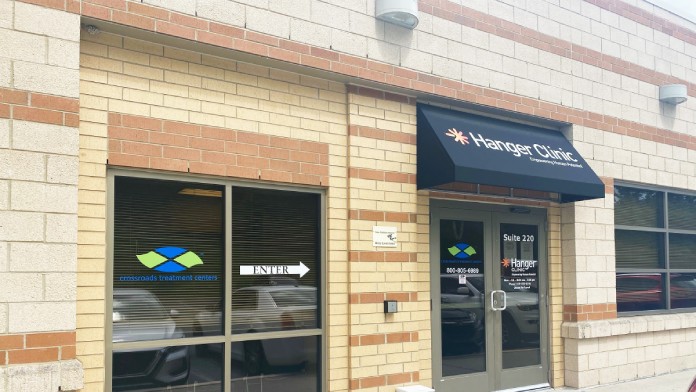
Crossroads of Allentown is a recovery center serving adults across Lehigh County and the greater Allentown, Pennsylvania area.
The clinic specializes in treatment for opioid use disorder, offering buprenorphine-based care, counseling, clinical assessment and care coordination.
As part of the Crossroads Treatment Centers network, the team is committed to delivering accessible recovery support in a welcoming, judgment-free environment.
Medication-Assisted Treatment
Crossroads of Allentown focuses on outpatient treatment for opioid use disorder, including dependence on heroin and prescription opioids.
The center provides buprenorphine prescription treatment along with long-acting injectable options like Sublocade and Brixaldi, giving patients flexibility beyond standard daily dosing.
Care includes clinical assessment, toxicology services and ongoing counseling designed to address both the physical and behavioral sides of recovery.
Integrated Care Coordination and Hepatitis C Treatment
Beyond medication assisted treatment, Crossroads of Allentown integrates whole-person support through care coordination services that connect patients to social and medical resources.
The location also offers on-site Hepatitis C treatment addressing a common health concern alongside substance use recovery.
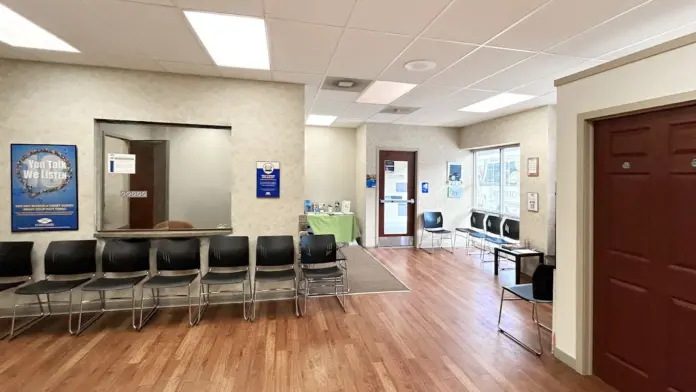
The clinic includes on-site parking, nearby bus access, convenient virtual care coordination and a 24/7/365 call center for patient support.
Latest Reviews



Rehab Score
 Our Methodology


Gallery
Other Forms of Payment
Private insurance refers to any kind of healthcare coverage that isn't from the state or federal government. This includes individual and family plans offered by an employer or purchased from the Insurance Marketplace. Every plan will have different requirements and out of pocket costs so be sure to get the full details before you start treatment.
Medicaid is a state based program that helps lower-income individuals and families pay for healthcare. Medicaid covers addiction treatment so those enrolled can use their coverage to pay for rehab. When a program accepts Medicaid the client often pays very little or nothing out of their own pocket.
Medicare is a federal program that provides health insurance for those 65 and older. It also serves people under 65 with chronic and disabling health challenges. To use Medicare for addiction treatment you need to find a program that accepts Medicare and is in network with your plan. Out of pocket costs and preauthorization requirements vary, so always check with your provider.
Addiction Treatments
Levels of Care
Outpatient Programs (OP) are for those seeking mental rehab or drug rehab, but who also stay at home every night. The main difference between outpatient treatment (OP) and intensive outpatient treatment (IOP) lies in the amount of hours the patient spends at the facility. Most of the time an outpatient program is designed for someone who has completed an inpatient stay and is looking to continue their growth in recovery. Outpatient is not meant to be the starting point, it is commonly referred to as aftercare.
Drug and alcohol addiction often takes a heavy toll on one’s body. Over time, a physical dependence can develop, meaning the body physiologically needs the substance to function. Detox is the process of removing drugs and/or alcohol from the body, a process that can be lethal if mismanaged. Medical detox is done by licensed medical professionals who monitor vital signs and keep you safe, healthy, and as comfortable as possible as you go through detox and withdrawal. Linden Oak's Addiction Services unit is a separate area within Linden Oaks Hospital that offers treatment for those undergoing withdrawal as they stop the cycle of addiction. Patients are detoxified under the care of a psychiatrist, and their staff has specialized training to provide the medication, monitoring and support needed during the withdrawal process.
Clients receiving services from a rehab aftercare program are usually stable and in the maintenance phase of recovery, having completed detox and/or intensive inpatient treatment. Rehab aftercare services can vary widely based on clients' individual and evolving needs, but often include peer coaching, relapse prevention support, 12 step program induction, and medical, mental health, and social service referrals. Individual care plans are typically developed by the client in partnership with their case manager and care team.
Programs
Adult rehab programs include therapies tailored to each client's specific needs, goals, and recovery progress. They are tailored to the specific challenges adult clients may face, including family and work pressures and commitments. From inpatient and residential treatment to various levels of outpatient services, there are many options available. Some facilities also help adults work through co-occurring conditions, like anxiety, that can accompany addiction.
Young adulthood can be an exciting, yet difficult, time of transition. Individuals in their late teens to mid-20s face unique stressors related to school, jobs, families, and social circles, which can lead to a rise in substance use. Rehab centers with dedicated young adult programs will include activities and amenities that cater to this age group, with an emphasis on specialized counseling, peer socialization, and ongoing aftercare.
Clinical Services
Group therapy sessions in Pennsylvania offer you a safe space when you're struggling with drug and alcohol addiction. You can openly discuss your challenges and the progress you're making in rehabilitation. Sharing this responsibility with others in your group fosters a commitment to sobriety and helps create strong bonds with your peers.
Family therapy teaches individual family members in Pennsylvania the benefits of collectively combating addiction. Therapists help individual members establish healthy boundaries between themselves and their loved one who is struggling with addiction. This helps improve emotional support systems and creates a bond so families work together to sustain long term recovery.
Personalized therapy sessions in Pennsylvania typically include a safe and nonjudgmental setting in which you can express your deepest emotions and feelings and explore the factors that have contributed to addiction. Therapists tailor the sessions to help you develop healthier thought patterns and behaviors, which improve your self control and build a foundation for your long term sobriety.
Staff & Accreditations
Staff

Rupert McCormac IV, MD
Founder & CEO
Accreditations

State Licenses are permits issued by government agencies that allow rehab organizations to conduct business legally within a certain geographical area. Typically, the kind of program a rehab facility offers, along with its physical location, determines which licenses are required to operate legally.
State License: Pennsylvania
Rehab.com regularly reviews this listing for accuracy but changes may occur between updates. For the most up-to-date information, please contact Crossroads of Allentown.
Contact Information


3050 Hamilton Blvd
Allentown, PA 18103
Sponsored Helpline


