











A safe place to go if you have s desire to stop drinking, they help me a lot with my problem.

Footprints to Recovery Addiction Treatment Centers
1
Top 10 Rehab Centers In Centennial



















































































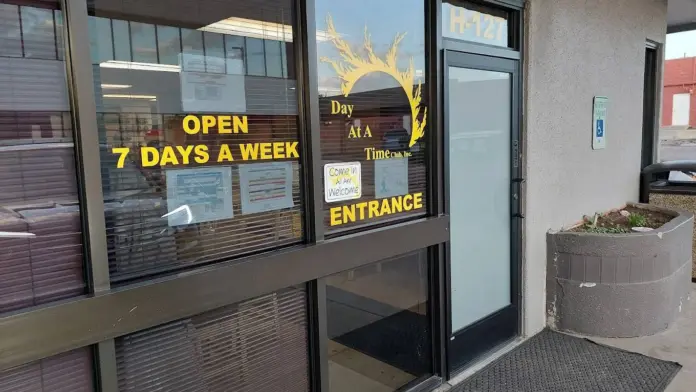
Outpatient 12-step meetings are provided to all those who desire to live a sober lifestyle. Within the 12 Step program, individuals learn about the disease of addiction and have a sponsor who mentors and supports them. Day at a Time offers Alcoholics Anonymous, Al-Anon, Cocaine Anonymous, Crystal Meth Anonymous (CMA), Overeaters Anonymous, A.C.A Adult Children Alcoholics Heroin Anonymous as well as Co-dependency (CoDA) meetings.
In some instances, people may find they need more structure than these meetings can offer them. In these cases, it may be helpful to pursue treatment at an alcohol and drug rehab center that can offer a higher level of care.
Day at a Time Club Does not accept insurance because this is a free program. Clients may be referred to additional services that accept private insurance plans such as Humana, Ambetter, Cigna, Anthem Blue Cross Blue Shield, United Healthcare, Aetna, and more. Because insurance plans vary, be sure to verify coverage information and out of network details with the insurer.

 Our Methodology


Private insurance refers to any kind of healthcare coverage that isn't from the state or federal government. This includes individual and family plans offered by an employer or purchased from the Insurance Marketplace. Every plan will have different requirements and out of pocket costs so be sure to get the full details before you start treatment.
Self-pay involves paying for treatment out of your own pocket. You can use savings or credit, get a personal loan, or receive help from family and friends to fund your treatment. If you don't have insurance or your insurance plan doesn't cover a specific program, self-pay can help ensure you still get the care you need.
12-step programs are addiction recovery models based on Alcoholics Anonymous (AA). A number of substance abuse programs (including some drug and alcohol rehab centers) use the 12 steps as a basis for treatment. Beginning steps involve admitting powerlessness over the addiction and creating a spiritual basis for recovery. Middle steps including making direct amends to those who've been hurt by the addiction, and the final step is to assist others in addiction recovery in the same way. 12-Step offshoots including Narcotics Anonymous (NA), Cocaine Anonymous (CA), Dual Recovery Anonymous (DRA), Sex and Love Addicts Anonymous (SLAA) and Gamblers Anonymous (GA).
The goal of treatment for alcoholism is abstinence. Those with poor social support, poor motivation, or psychiatric disorders tend to relapse within a few years of treatment. For these people, success is measured by longer periods of abstinence, reduced use of alcohol, better health, and improved social functioning. Recovery and Maintenance are usually based on 12 step programs and AA meetings.
Professional services are often necessary to recover from addiction. Drug rehab in Colorado provides the expert services needed to address the complex issues of addiction and help individuals start their recovery journey.
Opioid rehabs specialize in supporting those recovering from opioid addiction. They treat those suffering from addiction to illegal opioids like heroin, as well as prescription drugs like oxycodone. These centers typically combine both physical as well as mental and emotional support to help stop addiction. Physical support often includes medical detox and subsequent medical support (including medication), and mental support includes in-depth therapy to address the underlying causes of addiction.
Substance rehabs focus on helping individuals recover from substance abuse, including alcohol and drug addiction (both illegal and prescription drugs). They often include the opportunity to engage in both individual as well as group therapy.
Adult rehab programs include therapies tailored to each client's specific needs, goals, and recovery progress. They are tailored to the specific challenges adult clients may face, including family and work pressures and commitments. From inpatient and residential treatment to various levels of outpatient services, there are many options available. Some facilities also help adults work through co-occurring conditions, like anxiety, that can accompany addiction.
Young adulthood can be an exciting, yet difficult, time of transition. Individuals in their late teens to mid-20s face unique stressors related to school, jobs, families, and social circles, which can lead to a rise in substance use. Rehab centers with dedicated young adult programs will include activities and amenities that cater to this age group, with an emphasis on specialized counseling, peer socialization, and ongoing aftercare.
Research clearly demonstrates that recovery is far more successful and sustainable when loved ones like family members participate in rehab and substance abuse treatment. Genetic factors may be at play when it comes to drug and alcohol addiction, as well as mental health issues. Family dynamics often play a critical role in addiction triggers, and if properly educated, family members can be a strong source of support when it comes to rehabilitation.
Group therapy is any therapeutic work that happens in a group (not one-on-one). There are a number of different group therapy modalities, including support groups, experiential therapy, psycho-education, and more. Group therapy involves treatment as well as processing interaction between group members.
 Private Setting
 Rehab.com regularly reviews this listing for accuracy but changes may occur between updates. For the most up-to-date information, please contact Day At A Time Club.

3355 S Wadsworth Blvd
Unit H-127
Lakewood, CO 80227
Sponsored Helpline
A safe place to go if you have s desire to stop drinking, they help me a lot with my problem.

The board and management are about to be educated on service dog law and ada requirements. You are obviously uneducated or don't care what the law is for disabled individuals with service dogs. I will be filing a complaint with lakewood animal control and I really want to be there when they educate you on what you can and can't do,what you can ask, everyone. No management personnel should be in a management position unless they learn the law. I've been coming there off and on for 7 years with my service dog and the uneducated manager and I had a problem because he doesn't know the law, just like the uneducated board members. I will be back and if I ever go through what I did the last time I was there I will file a lawsuit for discrimination.

Warm, welcoming environment for recovery.


 Back
Back
Sharing your insights and experiences can help others learn more about this rehab center.
 Written By: Courtney Myers
MS
Written By: Courtney Myers
MS