












Footprints to Recovery Addiction Treatment Centers
1
Top 10 Rehab Centers In Centennial





































































































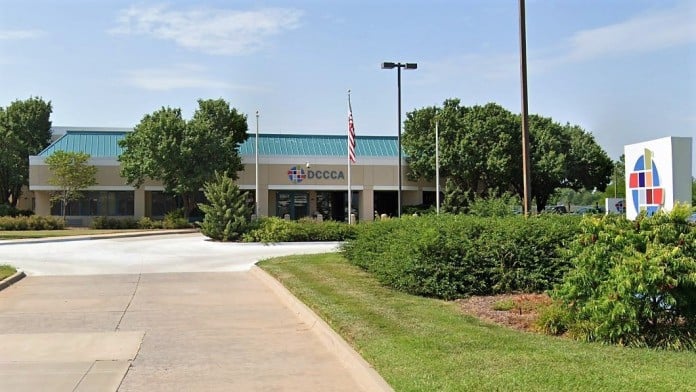
To help clients become self-sufficient after treatment, case managers help locate opportunities for them to find work, secure housing or further their education. They also provide fully licensed childcare facilities in their women’s program. While mothers participate in treatment activities, their children can attend school or receive special attention in the facility.
Staff members can help clients navigate the joys and challenges of parenting without substance use by providing mothers with hands on teaching and role modeling during mealtimes, bedtimes and leisure activities. They also connect recovering women to nearby community resources that can meet the physical, emotional, and educational needs of their children.
Expectant mothers engage in a variety of well-baby programs and they frequently return to the residential program to continue their recovery after giving birth. Clients who finish treatment in all of these programs report improved self esteem and decreased symptoms of anxiety and depression which makes them better equipped to continue their recovery journey. Their expanded services and support networks are just one factor contributing to this.
Medicaid and the majority of insurance companies can help pay for treatment. On the first visit, their staff will confirm insurance benefits and advise about the necessary co-payments and deductibles. For clients who pay out of pocket, they offer a sliding fee scale based on the client’s income.

 Our Methodology


Medicaid is a state based program that helps lower-income individuals and families pay for healthcare. Medicaid covers addiction treatment so those enrolled can use their coverage to pay for rehab. When a program accepts Medicaid the client often pays very little or nothing out of their own pocket.
Self-pay involves paying for treatment out of your own pocket. You can use savings or credit, get a personal loan, or receive help from family and friends to fund your treatment. If you don't have insurance or your insurance plan doesn't cover a specific program, self-pay can help ensure you still get the care you need.
Private insurance refers to any kind of healthcare coverage that isn't from the state or federal government. This includes individual and family plans offered by an employer or purchased from the Insurance Marketplace. Every plan will have different requirements and out of pocket costs so be sure to get the full details before you start treatment.
Clients receiving treatment at an outpatient facility are often further along in their recovery journey than those in inpatient care, meaning they may require less intensive supervision and support. Outpatient services generally include addiction counseling, recovery education, and community reintegration support. Most outpatient rehabs offer evening, night, and weekend services to accommodate clients' needs. Clients who are in early recovery or are at an increased relapse risk may enroll in partial hospitalization (PHP) or intensive outpatient (IOP) programs.
Drug and alcohol addiction often takes a heavy toll on one's body. Over time, a physical dependence can develop, meaning the body physiologically needs the substance to function. Detox is the process of removing drugs and/or alcohol from the body, a process that can be lethal if mismanaged. Medical detox is done by licensed medical professionals who monitor vital signs and keep you safe, healthy, and as comfortable as possible as you go through detox and withdrawal. The length of stay at the detoxification program is determined according to the specific needs of the patient.
A combined mental health and substance abuse rehab has the staff and resources available to handle individuals with both mental health and substance abuse issues. It can be challenging to determine where a specific symptom stems from (a mental health issue or an issue related to substance abuse), so mental health and substance abuse professionals are helpful in detangling symptoms and keeping treatment on track.
The length, intensity, setting, and treatment methods vary for each drug rehab in Kansas. Plans of care can be tailored to meet each person's own unique situation and needs. With the right program, individuals can successfully achieve long-term sobriety.
Opioid rehabs specialize in supporting those recovering from opioid addiction. They treat those suffering from addiction to illegal opioids like heroin, as well as prescription drugs like oxycodone. These centers typically combine both physical as well as mental and emotional support to help stop addiction. Physical support often includes medical detox and subsequent medical support (including medication), and mental support includes in-depth therapy to address the underlying causes of addiction.
Substance rehabs focus on helping individuals recover from substance abuse, including alcohol and drug addiction (both illegal and prescription drugs). They often include the opportunity to engage in both individual as well as group therapy.
Adult rehab programs include therapies tailored to each client's specific needs, goals, and recovery progress. They are tailored to the specific challenges adult clients may face, including family and work pressures and commitments. From inpatient and residential treatment to various levels of outpatient services, there are many options available. Some facilities also help adults work through co-occurring conditions, like anxiety, that can accompany addiction.
Young adulthood can be an exciting, yet difficult, time of transition. Individuals in their late teens to mid-20s face unique stressors related to school, jobs, families, and social circles, which can lead to a rise in substance use. Rehab centers with dedicated young adult programs will include activities and amenities that cater to this age group, with an emphasis on specialized counseling, peer socialization, and ongoing aftercare.
Recovery is most successful when clients feel accepted and validated by their peers and treatment providers. Facilities that offer LGBTQ-inclusive programming are committed to creating a safe space where everyone can grow and recover without fear of judgment or discrimination. They will have dedicated policies in place to create a safe and supportive environment that fosters free expression.
Group therapy is any therapeutic work that happens in a group (not one-on-one). There are a number of different group therapy modalities, including support groups, experiential therapy, psycho-education, and more. Group therapy involves treatment as well as processing interaction between group members.
In individual therapy, a patient meets one-on-one with a trained psychologist or counselor. Therapy is a pivotal part of effective substance abuse treatment, as it often covers root causes of addiction, including challenges faced by the patient in their social, family, and work/school life.
Life skills trainings involve all the skills a person must have in order to function successfully in the world. These include time management, career guidance, money management, and effective communication. Truly successful addiction recovery is based on the ability to not only live substance-free, but to thrive. Life skills teaches the practical necessities of functioning in society, which sets clients up for success in life, and therefore sobriety.
CEO

Chief Behavioral Health Officer
Chief Development Officer
Chief Community Based Services Officer
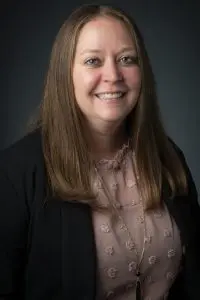
Chief Child Welfare Officer
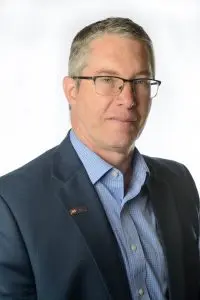
President
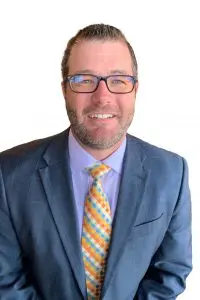
Vice President
Rehab.com regularly reviews this listing for accuracy but changes may occur between updates. For the most up-to-date information, please contact DCCCA – Wichita.

8901 E. Orme St.
Wichita, KS 67207
Sponsored Helpline


Great group training for our entire team. A big thank you to Chadlee for his knowledge and engagement.


Professional, organized and clean
 Back
Back
Sharing your insights and experiences can help others learn more about this rehab center.