




























































































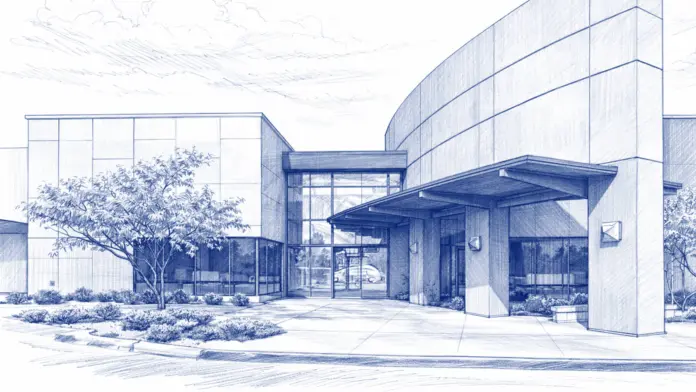
About Discovery Mood & Anxiety Program – Fairfax
The residential program treats trauma, anxiety disorders, depression, self-harm, bipolar disorder, and reactive attachment disorder. This treatment program uses cognitive behavioral therapy and dialectical behavior therapy to empower individuals to develop and practice their decision-making skills. The School Support Program is part of treatment and includes an educational liaison that helps residents with their schoolwork. Residents work through the three phases of CBT, functional analysis, actual behaviors, and behavior change while healing with their peers.
The PHP is an outpatient program that includes individual, family, and group counseling and medication management. Treatment occurs five days per week for six hours per day.
This facility is in-network with Aetna, Beacon, Cigna, Kaiser, Optum, and Unicare. Verify your coverage and out-of-network benefits for mental health and drug rehab treatment directly with your provider.
Latest Reviews



Rehab Score
 Our Methodology


Gallery
Accepted Insurance


Other Forms of Payment
Private insurance refers to any kind of healthcare coverage that isn't from the state or federal government. This includes individual and family plans offered by an employer or purchased from the Insurance Marketplace. Every plan will have different requirements and out of pocket costs so be sure to get the full details before you start treatment.
Self-pay involves paying for treatment out of your own pocket. You can use savings or credit, get a personal loan, or receive help from family and friends to fund your treatment. If you don't have insurance or your insurance plan doesn't cover a specific program, self-pay can help ensure you still get the care you need.
Financial aid can take many forms. Centers may have grants or scholarships available to clients who meet eligibility requirements. Programs that receive SAMHSA grants may have financial aid available for those who need treatment as well. Grants and scholarships can help you pai for treatment without having to repay.
Military members, veterans, and eligible dependents have access to specific insurance programs that help them get the care they need. TRICARE and VA insurance can help you access low cost or no cost addiction and mental health treatment. Programs that accept military insurance often have targeted treatment focused on the unique challenges military members, veterans, and their families face.
Medicaid is a state based program that helps lower-income individuals and families pay for healthcare. Medicaid covers addiction treatment so those enrolled can use their coverage to pay for rehab. When a program accepts Medicaid the client often pays very little or nothing out of their own pocket.
Addiction Treatments
Levels of Care
Outpatient rehabs offer community-based addiction treatment, enabling clients to remain in their homes while in recovery. Their levels of care typically include partial hospitalization (PHP), intensive outpatient (IOP), standard outpatient, and sober living programming. Most outpatient facilities offer addiction counseling and recovery-focused life skills training. Integrative programs include evidence-based holistic therapies, such as meditation, music therapy, and massage. Facilities specializing in alcohol and/or opioid addiction may also provide medication assisted treatment (MAT).
Clients participating in a rehab aftercare program receive comprehensive and customized support as they leave high-intensity treatment, reintegrate into their community, and focus on maintaining their sobriety. These programs offer a wide variety of services to align with the client's unique and evolving needs, often including medical, mental health, and social service program referrals. Clients typically develop their drug rehab aftercare plan in conjunction with their case manager and care team.
Once involved in a 12 step recovery program, clients can commit to a model of life-long recovery rooted in spiritual growth and intensive peer support. 12 step meetings are anonymous, peer-led, free, and accessible day and night, year-round, in most communities. Self-selected sponsors provide one-on-one coaching as participants work through the steps of recovery. These steps are based on spiritual principles used to address the origins of the addiction and to encourage self-compassion, forgiveness, acceptance, and accountability.
Treatments
Mental health rehabs focus on helping individuals recover from mental illnesses like bipolar disorder, clinical depression, anxiety disorders, schizophrenia, and more. Mental health professionals at these facilities are trained to understand and treat mental health issues, both in individual and group settings.
Programs
Young adulthood can be an exciting, yet difficult, time of transition. Individuals in their late teens to mid-20s face unique stressors related to school, jobs, families, and social circles, which can lead to a rise in substance use. Rehab centers with dedicated young adult programs will include activities and amenities that cater to this age group, with an emphasis on specialized counseling, peer socialization, and ongoing aftercare.
Recovery is most successful when clients feel accepted and validated by their peers and treatment providers. Facilities that offer LGBTQ-inclusive programming are committed to creating a safe space where everyone can grow and recover without fear of judgment or discrimination. They will have dedicated policies in place to create a safe and supportive environment that fosters free expression.
Clinical Services
Cognitive Behavioral Therapy (CBT) is a therapy modality that focuses on the relationship between one's thoughts, feelings, and behaviors. It is used to establish and allow for healthy responses to thoughts and feelings (instead of unhealthy responses, like using drugs or alcohol). CBT has been proven effective for recovering addicts of all kinds, and is used to strengthen a patient's own self-awareness and ability to self-regulate. CBT allows individuals to monitor their own emotional state, become more adept at communicating with others, and manage stress without needing to engage in substance abuse.
Dialectical Behavior Therapy (DBT) is a modified form of Cognitive Behavioral Therapy (CBT), a treatment designed to help people understand and ultimately affect the relationship between their thoughts, feelings, and behaviors. DBT is often used for individuals who struggle with self-harm behaviors, such as self-mutilation (cutting) and suicidal thoughts, urges, or attempts. It has been proven clinically effective for those who struggle with out-of-control emotions and mental health illnesses like Borderline Personality Disorder.
When men and women in Virginia participate in group therapy sessions, they learn to freely express their emotions in a non judgmental setting. This helps you process your feelings and begin to understand the link between your thoughts, feelings, and behaviors that are associated with addictive behavior.
Men and women in Virginia use individual therapy to focus on addiction related challenges as a necessary part of their drug and alcohol addiction treatment. Your therapist guides you in developing coping strategies, setting realistic goals, and building a strong foundation for an improved quality of life.
Motivational interviewing in Virginia allows clients to examine their lives and consider their options. It is particularly useful if the client lacks confidence in their ability to change or is feeling uncertain about their desire to change.
Trauma therapy helps you understand and manage the emotional and physical responses that often follow witnessing or experiencing traumatic events. Using therapeutic interventions, your therapist works with you to reframe that experience, which in turn reduces your anxiety and helps you regain control over your life.
If you and your partner are facing challenges, couples therapy in Virginia is designed to help you work through those in a healthy way. Common challenges that couples therapy addresses include conflict resolution, financial disagreements, intimacy challenges, health issues, and substance abuse.
 Eye Movement Desensitization And Reprocessing
Family therapists work with all members of the family to understand the roles they play in the addiction dynamic. Addressing these patterns is crucial to developing healthier ways to interact and support each other, as well as contributing to a more effective recovery for their loved ones.
Life skills trainings involve all the skills a person must have in order to function successfully in the world. These include time management, career guidance, money management, and effective communication. Truly successful addiction recovery is based on the ability to not only live substance-free, but to thrive. Life skills teaches the practical necessities of functioning in society, which sets clients up for success in life, and therefore sobriety.
Nutrition therapy teaches you what to eat and not eat, how to grocery shop, how to cook easy nutritious meals, and how to use food as medicine to address your health issues. These skills will help speed up your recovery process and reduce the risk of relapse.
Because some people find it difficult to talk about their experiences, creative arts therapy is often used to supplement talk therapy. This expressive form of therapy offers a variety of outlets to explore and communicate emotions.
Experiential therapy is based on the philosophy that individuals cannot think themselves out of their struggles. Instead, they need experiences to help them physically and emotionally work through issues. Examples include adventure therapy, music therapy, and equine therapy. These methods are often used to treat substance abuse and other types of behavioral addictions.
Amenities
-
 Gym
Gym -
 Yoga Studio
 -
 Residential Setting
 -
 Private Rooms
Accreditations

The Joint Commission, formerly known as JCAHO, is a nonprofit organization that accredits rehab organizations and programs. Founded in 1951, the Joint Commision's mission is to improve the quality of patient care and demonstrating the quality of patient care.
Joint Commission Accreditation: Yes
Rehab.com regularly reviews this listing for accuracy but changes may occur between updates. For the most up-to-date information, please contact Discovery Mood & Anxiety Program – Fairfax.
Contact Information


10416 Burke Lake Road
Fairfax Station, VA 22039
Sponsored Helpline



