






























































































I don't think your program's working very well for me I'm falling back into my old ways and habits. I'm seeing and hanging out with people I shouldn't that are no good for me and Im going to relapse again. Your program needs to keep a closer eye on us. I wanted to be better ...
About Firetree – Conewago
Firetree Conewago is a nonprofit residential addiction treatment program in Pottsville, Pennsylvania.
The 34 bed inpatient facility offers medication assisted treatment, individual and group counseling and trauma therapy.
Firetree takes a holistic approach that addresses physical, mental, emotional and spiritual needs while equipping clients with practical tools for lasting recovery.
MAT, CBT and MET Groups
Conewago Pottsville’s core focus is structured residential inpatient care for adults working through drug and alcohol addiction.
The program builds individualized treatment plans that combine MAT, CBT and MET groups.
Daily life blends clinical therapy with peer accountability, including the program’s “Relapse Court” approach.
This structure helps clients address root causes while practicing the social and coping skills needed for life beyond treatment.
Workforce Readiness and Life Rebuilding Supports
Beyond clinical care, Conewago weaves rehab into recovery, offering résumé building and job search assistance.
Clients can also access nutrition training, landscaping and gardening skills and tobacco recovery programming.
Getting Started With Firetree
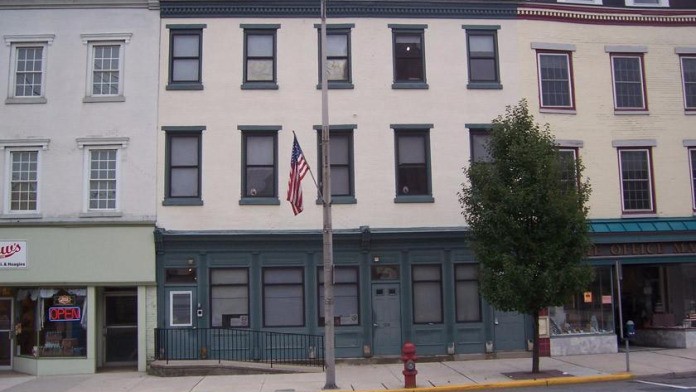
Firetree Conewago provides in person residential treatment in downtown Pottsville with transportation available.
The program is in network with Humana Military/TRICARE and accepts self pay, county funding and Medical Assistance through HealthChoices.
Facility Overview
 46
46 Number of Available Beds
Latest Reviews
Sonja Karkanica
Reviewed on 04/08/2026
I don't think your program's working very well for me I'm falling back into my old ways and habits. I'm seeing and hanging out with people I shouldn't that are no good for me and Im going to relapse again. Your program needs to keep a closer eye on us. I wanted to be better when I got home and I'm not I'm headed down the exact same road.
I loved the staff! The food was amazing! Highly recommend ♡
Response from the owner1 week ago
Thank you for the kind review Sonya Marie! We wish you the best!
Reviewed on 12/28/2017
I loved it here n trust me when I first got here I wanted to leave so bad when I finished detox and went to the inpatient side I was trying to get other women to stat after detox, this placed saved my life and let me know it's possible! I celebrated a year on 12/8/17! Thank u for everything the staff is amazing, it's very locked down n strict so u focus on recovery n urself n nothing else . I love them they saved my life thank u ....
Drf

Rehab Score
 Our Methodology
Scoring is assigned by a proprietary system which helps surface key metrics that determine quality. The 10-point scale factors in categories such as operations, customer satisfaction, and trust metrics. Read Full Methodology

6.8 / 10
Gallery
Accepted Insurance
Other Forms of Payment
Private insurance refers to any kind of healthcare coverage that isn't from the state or federal government. This includes individual and family plans offered by an employer or purchased from the Insurance Marketplace. Every plan will have different requirements and out of pocket costs so be sure to get the full details before you start treatment.
Self-pay involves paying for treatment out of your own pocket. You can use savings or credit, get a personal loan, or receive help from family and friends to fund your treatment. If you don't have insurance or your insurance plan doesn't cover a specific program, self-pay can help ensure you still get the care you need.
Financial aid can take many forms. Centers may have grants or scholarships available to clients who meet eligibility requirements. Programs that receive SAMHSA grants may have financial aid available for those who need treatment as well. Grants and scholarships can help you pai for treatment without having to repay.
Medicaid is a state based program that helps lower-income individuals and families pay for healthcare. Medicaid covers addiction treatment so those enrolled can use their coverage to pay for rehab. When a program accepts Medicaid the client often pays very little or nothing out of their own pocket.
Addiction Treatments
Levels of Care
Clients receiving services from a rehab aftercare program are usually stable and in the maintenance phase of recovery, having completed detox and/or intensive inpatient treatment. Rehab aftercare services can vary widely based on clients' individual and evolving needs, but often include peer coaching, relapse prevention support, 12 step program induction, and medical, mental health, and social service referrals. Individual care plans are typically developed by the client in partnership with their case manager and care team.
12-step programs are addiction recovery models based on Alcoholics Anonymous (AA). A number of substance abuse programs (including some drug and alcohol rehab centers) use the 12 steps as a basis for treatment. Beginning steps involve admitting powerlessness over the addiction and creating a spiritual basis for recovery. Middle steps including making direct amends to those who've been hurt by the addiction, and the final step is to assist others in addiction recovery in the same way. 12-Step offshoots including Narcotics Anonymous (NA), Cocaine Anonymous (CA), Dual Recovery Anonymous (DRA), Sex and Love Addicts Anonymous (SLAA) and Gamblers Anonymous (GA). There are in-house 12-Step Meetings on a daily basis.
Residents of a sober living home in Pennsylvania pay rent and contribute to household maintenance. For their contributions, individuals get the opportunity to live in a substance-free environment and receive support from others in recovery while all residents practice sober-living skills. Sober living expenses are not covered by insurance since they are not treatment services. However, grants and scholarships are often available to help individuals afford rent for men's or women's sober living.
Drug and alcohol addiction often takes a heavy toll on one's body. Over time, a physical dependence can develop, meaning the body physiologically needs the substance to function. Detox is the process of removing drugs and/or alcohol from the body, a process that can be lethal if mismanaged. Medical detox is done by licensed medical professionals who monitor vital signs and keep you safe, healthy, and as comfortable as possible as you go through detox and withdrawal.
Inpatient rehab provides clients with an opportunity to focus solely on their sobriety away from the stressors of the home and workplace. Clients receive housing, food, and intensive clinical supervision. They also typically engage in multiple addiction counseling sessions each week, including daily individual, group, and/or family sessions. Most programs also prioritize recovery-focused life skills training, including courses in relapse prevention. Many facilities offer evidence-based holistic therapies, such as yoga and meditation.
Treatments
The goal of treatment for alcoholism is abstinence. Those with poor social support, poor motivation, or psychiatric disorders tend to relapse within a few years of treatment. For these people, success is measured by longer periods of abstinence, reduced use of alcohol, better health, and improved social functioning. Recovery and Maintenance are usually based on 12 step programs and AA meetings.
Drug rehab in Pennsylvania is devoted to the treatment of addiction. Levels of care, treatment methods, and settings differ, but the aim of each program is to end drug dependency and empower participants to achieve long-term recovery.
Many of those suffering from addiction also suffer from mental or emotional illnesses like schizophrenia, bipolar disorder, depression, or anxiety disorders. Rehab and other substance abuse facilities treating those with a dual diagnosis or co-occurring disorder administer psychiatric treatment to address the person's mental health issue in addition to drug and alcohol rehabilitation. Firetree has revised its pertinent policies and procedures in order to be certified as co-occurring capable.
A combined mental health and substance abuse rehab has the staff and resources available to handle individuals with both mental health and substance abuse issues. It can be challenging to determine where a specific symptom stems from (a mental health issue or an issue related to substance abuse), so mental health and substance abuse professionals are helpful in detangling symptoms and keeping treatment on track.
Opioid rehabs specialize in supporting those recovering from opioid addiction. They treat those suffering from addiction to illegal opioids like heroin, as well as prescription drugs like oxycodone. These centers typically combine both physical as well as mental and emotional support to help stop addiction. Physical support often includes medical detox and subsequent medical support (including medication), and mental support includes in-depth therapy to address the underlying causes of addiction.
Substance rehabs focus on helping individuals recover from substance abuse, including alcohol and drug addiction (both illegal and prescription drugs). They often include the opportunity to engage in both individual as well as group therapy.
Programs
Adult rehab programs include therapies tailored to each client's specific needs, goals, and recovery progress. They are tailored to the specific challenges adult clients may face, including family and work pressures and commitments. From inpatient and residential treatment to various levels of outpatient services, there are many options available. Some facilities also help adults work through co-occurring conditions, like anxiety, that can accompany addiction.
Young adulthood can be an exciting, yet difficult, time of transition. Individuals in their late teens to mid-20s face unique stressors related to school, jobs, families, and social circles, which can lead to a rise in substance use. Rehab centers with dedicated young adult programs will include activities and amenities that cater to this age group, with an emphasis on specialized counseling, peer socialization, and ongoing aftercare.
Men face specific challenges and concerns when seeking addiction treatment. Gender-specific recovery programs help them tackle these issues head-on in an environment that's focused, targeted, and distraction-free. It also gives them the opportunity to connect with and learn from other men who have been through a similar journey and can offer support for the next step.
Rehabs for women provide a safe, nurturing space for female clients to heal. These treatment programs consider the specific obstacles that women can face during recovery and place a special emphasis on mental, social, physical, and reproductive health. They explore how each woman's experience has shaped the trajectory of their substance use, addressing issues such as sexual abuse and past trauma.
Clinical Services
Group therapy is any therapeutic work that happens in a group (not one-on-one). There are a number of different group therapy modalities, including support groups, experiential therapy, psycho-education, and more. Group therapy involves treatment as well as processing interaction between group members.
In individual therapy, a patient meets one-on-one with a trained psychologist or counselor. Therapy is a pivotal part of effective substance abuse treatment, as it often covers root causes of addiction, including challenges faced by the patient in their social, family, and work/school life.
Research clearly demonstrates that recovery is far more successful and sustainable when loved ones like family members participate in rehab and substance abuse treatment. Genetic factors may be at play when it comes to drug and alcohol addiction, as well as mental health issues. Family dynamics often play a critical role in addiction triggers, and if properly educated, family members can be a strong source of support when it comes to rehabilitation.
The goal of nutrition therapy is to help you understand how your diet affects your overall health. It teaches you healthy eating habits, which speed up your recovery and give you the nutrients you need for long term physical and mental health.
Emotions that surface during experiential therapy can reveal how you've coped with situations in the past. A trained therapist will guide you through conversations about your emotions and reactions either during therapy or in a follow up session. Therapy may include activities such as equine therapy, wilderness therapy, martial arts, drama, music, or art.
Two nicotine replacement therapy medicines have been approved by the FDA. Bupropion decreases cravings and withdrawal symptoms. Varenicline reduces the urge to smoke and the enjoyment you get from cigarettes. Nonprescription therapies include gum, patches, and lozenges.
Cognitive behavioral therapy (CBT) in Pennsylvania can be helpful to individuals who are experiencing substance use disorder and various mental health conditions. It helps you identify damaging thought and behavior patterns and replace them with healthy ones.
Motivational interviewing in Pennsylvania gives you the opportunity to share your perspective and explore your ideas and motivation for change. Your therapist will walk you through the four steps of engaging, focusing, evoking, and planning to empower you to make any desired changes in your life.
It is important to process the impact that traumatic experiences have had on your life. During trauma therapy, you and an experienced therapist confront these experiences and the emotional impact it is had. This helps to reduce your symptoms of stress and anxiety and improve your overall mental health and well being.
Life skills are the mental and social skills that are necessary to navigate day to day life. Addiction diminishes or eliminates these skills, so they must be relearned and practiced during drug rehab treatment in Pennsylvania.
Amenities
-
 Residential Setting
 -
 Private Rooms
Staff & Accreditations
Staff
Bill Brown
President
Amy Ertel
VP
Chris Corcoran
Regional RRC Director
Max Beck
Regional D&A Director
Patricia Brader
Director of Marketing and Community Relations
Harold Imber
Director of Special Projects
Accreditations

The Commission on Accreditation of Rehabilitation Facilities (CARF) is a non-profit organization that specifically accredits rehab organizations. Founded in 1966, CARF's, mission is to help service providers like rehab facilities maintain high standards of care.
CARF Accreditation: Yes

State Licenses are permits issued by government agencies that allow rehab organizations to conduct business legally within a certain geographical area. Typically, the kind of program a rehab facility offers, along with its physical location, determines which licenses are required to operate legally.
State License: Pennsylvania
Rehab.com regularly reviews this listing for accuracy but changes may occur between updates. For the most up-to-date information, please contact Firetree – Conewago.
Contact Information

202-204 South Centre Street
Pottsville, PA 17901
Get Help Now - 717-287-9194
Sponsored Helpline
Sponsored Helpline


