I have a family in there. Staff is incredibly rude and unwilling to listen to things that might help them better understand the patient, if you call once a week to talk to patient or get any kind of update the staff acts as if the phone call comes out of there paycheck, pati ...

About Griffin Memorial Hospital
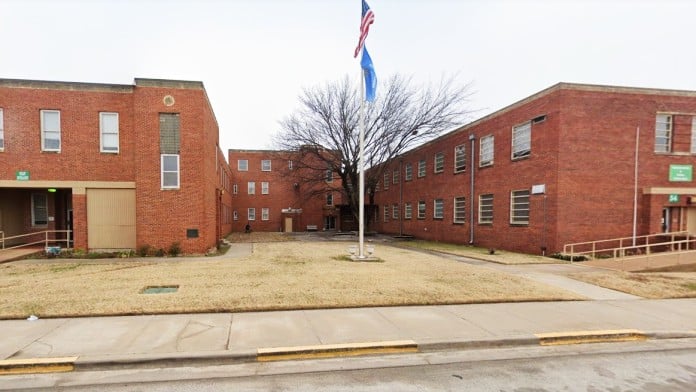
The facility can hold up to 120 clients at a time, with more than 350 staff members available to assist clients. You’ll be assigned a clinical team that includes a psychiatrist, social worker, psychologist, and nurse. Soon after you’re admitted, the team will evaluate you to understand how your condition has affected you physically, socially, emotionally, and behaviorally. Once that’s complete, they’ll create a custom treatment plan just for you. There are many different therapeutic and recreational groups offered throughout the day, and you’ll attend certain ones based on your plan.
When you’re ready to leave inpatient care, they’ll help you take care of all of your next steps. Staff members will connect you with outpatient treatment, housing information and referrals, and appropriate medication if you need it. Your family can be involved in the discharge planning process.
The Hospital is accredited by The Joint Commission. They’ve received generally positive feedback, especially from clients who say they didn’t get an accurate diagnosis, treatment plan, and medication until they came to this facility. Some reviewers note negative interactions with other dysregulated clients residing nearby, though ratings on the staff were high across the board.
Facility Overview
Latest Reviews
We’re sorry to hear that you had a negative experience with us. We take your feedback very seriously.
We would like to invite you to get in touch with our Consumer Advocacy Division at advocacydivision@odmhsas.org so we can discuss this further and ensure that your expectations are met. We look forward to hearing from you.
We’re sorry to hear that you had a negative experience with us. We take your feedback very seriously.
We would like to invite you to get in touch with our Consumer Advocacy Division at advocacydivision@odmhsas.org so we can discuss this further and ensure that your expectations are met. We look forward to hearing from you.
Rehab Score
Gallery
Other Forms of Payment
Private insurance refers to any kind of healthcare coverage that isn't from the state or federal government. This includes individual and family plans offered by an employer or purchased from the Insurance Marketplace. Every plan will have different requirements and out of pocket costs so be sure to get the full details before you start treatment.
Self-pay involves paying for treatment out of your own pocket. You can use savings or credit, get a personal loan, or receive help from family and friends to fund your treatment. If you don't have insurance or your insurance plan doesn't cover a specific program, self-pay can help ensure you still get the care you need.
Financial aid can take many forms. Centers may have grants or scholarships available to clients who meet eligibility requirements. Programs that receive SAMHSA grants may have financial aid available for those who need treatment as well. Grants and scholarships can help you pai for treatment without having to repay.
Medicare is a federal program that provides health insurance for those 65 and older. It also serves people under 65 with chronic and disabling health challenges. To use Medicare for addiction treatment you need to find a program that accepts Medicare and is in network with your plan. Out of pocket costs and preauthorization requirements vary, so always check with your provider.
Military members, veterans, and eligible dependents have access to specific insurance programs that help them get the care they need. TRICARE and VA insurance can help you access low cost or no cost addiction and mental health treatment. Programs that accept military insurance often have targeted treatment focused on the unique challenges military members, veterans, and their families face.
Medicaid is a state based program that helps lower-income individuals and families pay for healthcare. Medicaid covers addiction treatment so those enrolled can use their coverage to pay for rehab. When a program accepts Medicaid the client often pays very little or nothing out of their own pocket.
Addiction Treatments
Levels of Care
Clients seeking care in an outpatient rehab are often stepping down from intensive inpatient treatment or have chosen to remain in their home while in treatment. Outpatient programs offer a variety of services to provide clients with a full continuum of care. Partial hospitalization (PHP) and intensive outpatient (IOP) programs are high frequency and intensity services for clients who require robust structure, supervision, and support. Outpatient treatment typically consists of psychotherapy, recovery education, and medication assisted treatment (MAT).
Inpatient rehabs provide extra support for clients in early recovery and those at a high risk of relapse. They allow clients to focus on their sobriety safe from outside distractions, stressors, and addiction triggers. Clients reside at the treatment center for the length of their program, where they receive extensive addiction counseling, including individual, group, and family therapy. Many programs also offer robust life skills training and holistic therapies, such as meditation.
The safest way to remove addictive substances from your body after you've become physically dependent is through a medically assisted detox. Usually performed in an inpatient setting, a team of licensed medical professionals are tasked with monitoring your health and helping to minimize the risks and physical discomfort caused by withdrawal symptoms. Medically assisted detox is often the first step in the recovery process. After your body is safely free of substances, you'll likely transition to an inpatient treatment program to continue your recovery.
Treatments
Many of those suffering from addiction also suffer from mental or emotional illnesses like schizophrenia, bipolar disorder, depression, or anxiety disorders. Rehab and other substance abuse facilities treating those with a dual diagnosis or co-occurring disorder administer psychiatric treatment to address the person's mental health issue in addition to drug and alcohol rehabilitation.
Mental health rehabs focus on helping individuals recover from mental illnesses like bipolar disorder, clinical depression, anxiety disorders, schizophrenia, and more. Mental health professionals at these facilities are trained to understand and treat mental health issues, both in individual and group settings.
Programs
Adult rehab programs include therapies tailored to each client's specific needs, goals, and recovery progress. They are tailored to the specific challenges adult clients may face, including family and work pressures and commitments. From inpatient and residential treatment to various levels of outpatient services, there are many options available. Some facilities also help adults work through co-occurring conditions, like anxiety, that can accompany addiction.
Young adulthood can be an exciting, yet difficult, time of transition. Individuals in their late teens to mid-20s face unique stressors related to school, jobs, families, and social circles, which can lead to a rise in substance use. Rehab centers with dedicated young adult programs will include activities and amenities that cater to this age group, with an emphasis on specialized counseling, peer socialization, and ongoing aftercare.
Recovery is most successful when clients feel accepted and validated by their peers and treatment providers. Facilities that offer LGBTQ-inclusive programming are committed to creating a safe space where everyone can grow and recover without fear of judgment or discrimination. They will have dedicated policies in place to create a safe and supportive environment that fosters free expression.
Serving in the military is both mentally and physically challenging, and can result in trauma that persists even after combat ends. Military programs are tailored to the specific and often complex needs of active duty personnel, veterans, and military families. Clients often access these programs through the U.S. Department of Veterans Affairs (VA).
Clinical Services
If you participate in cognitive behavioral therapy in Oklahoma, you can expect to attend somewhere between five and 20 sessions. This short term method is an effective way to learn healthy coping strategies that help you change your thinking and behavior patterns.
Group therapy is any therapeutic work that happens in a group (not one-on-one). There are a number of different group therapy modalities, including support groups, experiential therapy, psycho-education, and more. Group therapy involves treatment as well as processing interaction between group members.
In individual therapy, a patient meets one-on-one with a trained psychologist or counselor. Therapy is a pivotal part of effective substance abuse treatment, as it often covers root causes of addiction, including challenges faced by the patient in their social, family, and work/school life.
Trauma therapy provides you with a safe and supportive environment in which you can confront and address the emotional and physical impacts of traumatic events. Your therapist helps you understand your emotional and physical responses and develop healthier coping skills, which lowers your anxiety level and provides you with greater self confidence.
Couples therapy often focuses on a specific problem, such as addiction, intimacy, jealousy, or finances. Treatment is solution focused and change oriented. The couple works with the therapist to identify goals for therapy and actively participates in learning skills and behaviors to reach those goals.
Family therapy offers a safe space for family members to openly talk about their feelings and the challenges that addiction has triggered. This process helps to improve their understanding of the disease of addiction and supports the family's unified approach to the recovery journey.
Nutrition therapy teaches you the importance of nutrition in recovery and overall health. You'll learn healthy ways to eat, which gives you the energy and strength that are essential for recovery. This treatment may involve training in grocery shopping and meal preparation.
Using recreational therapy in Oklahoma within a drug and alcohol addiction treatment program helps you find joy and purpose within healthy activities. These could include gardening, group games, team sports, and swimming. These activities promote relaxation and social interaction, which are crucial to sustain long term recovery.
Staff & Accreditations
Staff
Clayton Morris, M.D.
Medical Director
Gloria Martz, DO
Associate Program Director for GMH Psychiatry Residency Program
Donald W. Simpson II, MD, MBA
Associate Program Director for GMH Psychiatry Residency Program
Accreditations
The Joint Commission, formerly known as JCAHO, is a nonprofit organization that accredits rehab organizations and programs. Founded in 1951, the Joint Commision's mission is to improve the quality of patient care and demonstrating the quality of patient care.
Joint Commission Accreditation: Yes
Contact Information
900 East Main street
Norman OK, 73071