































































































Absolutely shoddy management and care. Our daughter was there for 9 days and only observed for 2 days before being released. They actually had the patient call to say they could be picked up within several hours without an exit plan! At no time did staff reach out to be assu ...
About Polara Health Crisis Stabilization Unit
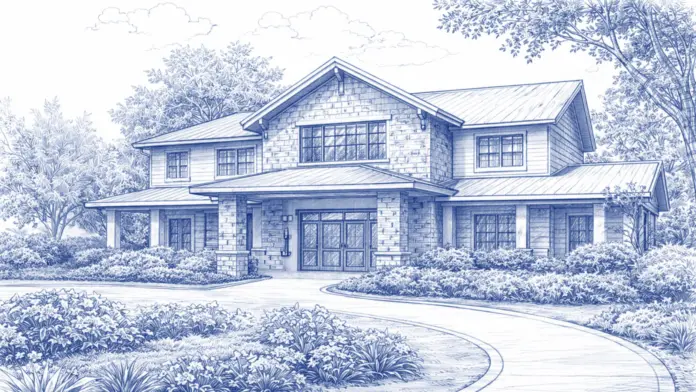
Polara Health Crisis Stabilization Unit is a 24 hour walk-in substance use and behavioral health crisis program in Prescott Valley, Arizona offering rapid stabilization for adults experiencing mental health or substance use related emergencies.
As part of the broader Polara Health network serving Yavapai County the unit emphasizes compassionate stabilization focused care and connection to ongoing treatment.
Crisis Stabilization Programs and Treatment Referrals
Care begins with a crisis assessment followed by short-term observation using monitoring chairs or inpatient beds for acute stabilization. Stays last up to three days with the goal of a safe return to daily living.
During a stay clients can expect brief group therapy and peer support, psychoeducation, and psychiatric medication management. Staff also provide safety planning and discharge planning, connecting clients to outpatient treatment to help prevent relapse and future crises.
Quick Facts About Polara Health CSU
- Location: Prescott Valley, Arizona, within Polara Health’s Yavapai County network.
- Levels of care: 24/7 walk-in crisis stabilization with observation chairs and inpatient beds.
- Who they treat: Adults experiencing substance use, mental health, and co-occurring crises.
- Approach: Assessment, peer support, medication management, and safety planning.
- Payment options: Sliding fee schedule and financial assistance; no one is denied for inability to pay.
- Aftercare: Outpatient linkage and coordination with Polara Health’s broader services.
Latest Reviews
I am incredibly thankful for this facility as well as the wonderfully generous & kind front desk staff I encountered there - they truly deserve every star in my power to present them with! My husband and I are not from the area but were visiting nearby, when he realized he needed a fast solution to obtain his usual medication (which he had not been able to take in 2 weeks due to loss of insurance). We immediately felt very fortunate and relieved to find a conveniently located crisis management center that was open 24/7 and also had a program for receiving free emergency assistance in regards to his mental health care. The program did require that he admit himself to the facility for the night, leaving me with the only option of spending the night in our car, parked in the facility parking lot. And given the importance of his health and the necessity of the situation, I had no objection.
He was able to get through the admission process fairly quickly and gave me a call afterwards to let me know all was well and the staff had already made him feel welcome and more at ease. Unfortunately, it was not long after that point that I went to start our car and discovered the battery was dead, and my cell phone quickly followed suit. (Because even in the dry desert of AZ, you can STILL count on it pouring whenever it rains! lol)
Long story short; the staff not only let me use their restroom a couple times before my husband was discharged next day, they immediately offered to help jumpstart my car as soon as they heard the situation, and even gave me a lunch sack (which, btw, contained a delicious turkey sandwich & some other goodies) since I hadn't been able to leave or do anything else for about 16 hours while hubby was admitted.
We are now safe and sound back at home, and we will both be able to rest easy tonight knowing that my husband has his mental health needs taken care of for at least another month. ❤️ Thank you to everyone at Polara Health for extending your care and your hearts to a couple people who really needed it!!
Response from the owner1 week ago
Thank you for placing your trust in us and for allowing us to be a part of your journey. Please know that our doors are always open, and we will continue to walk the path with you.
A much needed service to the community. Once I brought my granddaughter and they helped set up a plan for us and another time my son for detox services. I am very thankful they were available
They care for people who are at a crisis point and do the very best they can in very trying situations. I'm thankful for everything they do for our community.

Rehab Score
 Our Methodology
Scoring is assigned by a proprietary system which helps surface key metrics that determine quality. The 10-point scale factors in categories such as operations, customer satisfaction, and trust metrics. Read Full Methodology

4.8 / 10
Location
Other Forms of Payment
Private insurance refers to any kind of healthcare coverage that isn't from the state or federal government. This includes individual and family plans offered by an employer or purchased from the Insurance Marketplace. Every plan will have different requirements and out of pocket costs so be sure to get the full details before you start treatment.
Self-pay involves paying for treatment out of your own pocket. You can use savings or credit, get a personal loan, or receive help from family and friends to fund your treatment. If you don't have insurance or your insurance plan doesn't cover a specific program, self-pay can help ensure you still get the care you need.
Medicare is a federal program that provides health insurance for those 65 and older. It also serves people under 65 with chronic and disabling health challenges. To use Medicare for addiction treatment you need to find a program that accepts Medicare and is in network with your plan. Out of pocket costs and preauthorization requirements vary, so always check with your provider.
Medicaid is a state based program that helps lower-income individuals and families pay for healthcare. Medicaid covers addiction treatment so those enrolled can use their coverage to pay for rehab. When a program accepts Medicaid the client often pays very little or nothing out of their own pocket.
Military members, veterans, and eligible dependents have access to specific insurance programs that help them get the care they need. TRICARE and VA insurance can help you access low cost or no cost addiction and mental health treatment. Programs that accept military insurance often have targeted treatment focused on the unique challenges military members, veterans, and their families face.
Addiction Treatments
Levels of Care
Outpatient Programs (OP) are for those seeking mental rehab or drug rehab, but who also stay at home every night. The main difference between outpatient treatment (OP) and intensive outpatient treatment (IOP) lies in the amount of hours the patient spends at the facility. Most of the time an outpatient program is designed for someone who has completed an inpatient stay and is looking to continue their growth in recovery. Outpatient is not meant to be the starting point, it is commonly referred to as aftercare.
Inpatient rehab is designed primarily for persons in early recovery and those who are exiting detox programs. It's ideal for clients in crisis or at an elevated risk of relapse. Inpatient treatment centers provide housing and meals, allowing clients to focus on their recovery away from distractions and addiction triggers. Clients engage in intensive psychotherapy, and many inpatient programs feature recovery-focused life skills training and/or complementary therapies like meditation, creative arts therapy, and other holistic treatments.
Intensive Outpatient Programs (IOP) are for those who want or need a very structured treatment program but who also wish to live at home and continue with certain responsibilities (such as work or school). IOP substance abuse treatment programs vary in duration and intensity, and certain outpatient rehab centers will offer individualized treatment programs.
Many addiction recovery centers base their treatment modalities on the 12 step program model, and those in treatment often transition to community-based programs. These programs can also be effective for clients who choose not to enter rehab. Traditionally, 12 step meetings are designed to provide intensive peer support whenever it is needed. In addition to group meetings and peer sponsorship, participants "work the steps" to achieve recovery through a systematic healing of the mind, body, and spirit.
The initial phase of recovery treatment typically includes 24-hour clinical care in Arizona. This constant supervision ensures a safe detox process, which helps the individual physically stabilize from substance use. Patients will receive medications to curb withdrawal symptoms and cravings, as well as other necessary medical treatment. This period typically lasts up to a week, then the individual will receive medical clearance to begin inpatient or outpatient rehab.
Treatments
The goal of treatment for alcoholism is abstinence. Those with poor social support, poor motivation, or psychiatric disorders tend to relapse within a few years of treatment. For these people, success is measured by longer periods of abstinence, reduced use of alcohol, better health, and improved social functioning. Recovery and Maintenance are usually based on 12 step programs and AA meetings.
Drug rehab in Arizona is the process of treating individuals who are dependent on a particular addictive drug. Because addiction is complex, this treatment typically includes a variety of interventions that address the many physical and emotional issues involved.
Opioid rehabs specialize in supporting those recovering from opioid addiction. They treat those suffering from addiction to illegal opioids like heroin, as well as prescription drugs like oxycodone. These centers typically combine both physical as well as mental and emotional support to help stop addiction. Physical support often includes medical detox and subsequent medical support (including medication), and mental support includes in-depth therapy to address the underlying causes of addiction.
Substance rehabs focus on helping individuals recover from substance abuse, including alcohol and drug addiction (both illegal and prescription drugs). They often include the opportunity to engage in both individual as well as group therapy.
Programs
Adult rehab programs include therapies tailored to each client's specific needs, goals, and recovery progress. They are tailored to the specific challenges adult clients may face, including family and work pressures and commitments. From inpatient and residential treatment to various levels of outpatient services, there are many options available. Some facilities also help adults work through co-occurring conditions, like anxiety, that can accompany addiction.
Young adulthood can be an exciting, yet difficult, time of transition. Individuals in their late teens to mid-20s face unique stressors related to school, jobs, families, and social circles, which can lead to a rise in substance use. Rehab centers with dedicated young adult programs will include activities and amenities that cater to this age group, with an emphasis on specialized counseling, peer socialization, and ongoing aftercare.
Clinical Services
Also known as CBT, cognitive behavioral therapy in Arizona is one of the most common types of psychotherapy. It offers a structured method of counseling that effectively treats substance use disorder and dual diagnosis disorders.
Group therapy is any therapeutic work that happens in a group (not one-on-one). There are a number of different group therapy modalities, including support groups, experiential therapy, psycho-education, and more. Group therapy involves treatment as well as processing interaction between group members.
Individual therapy for drug and alcohol addiction includes focused attention on the unique challenges that trigger addictive behavior. During individual therapy sessions, you have a safe space in which to discuss stressors and emotional struggles. Therapy fosters trust and open communication that helps develop personalized strategies to overcome addiction.
Trauma therapy addresses traumatic incidents from a client's past that are likely affecting their present-day experience. Trauma is often one of the primary triggers and potential causes of addiction, and can stem from child sexual abuse, domestic violence, having a parent with a mental illness, losing one or both parents at a young age, teenage or adult sexual assault, or any number of other factors. The purpose of trauma therapy is to allow a patient to process trauma and move through and past it, with the help of trained and compassionate mental health professionals.
Staff

Tamara Player
President and CEO
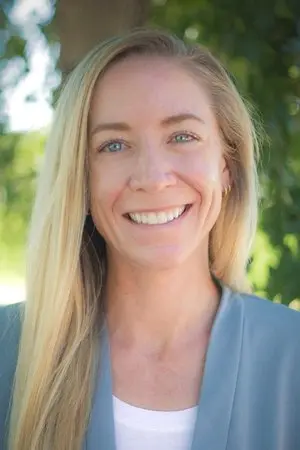
Erin Kantor
Chief Clinical Operation Officer

Kara Langley
Chief Financial and Administrative Officer

Peter Fabian
Chief Technology Officer
Rehab.com regularly reviews this listing for accuracy but changes may occur between updates. For the most up-to-date information, please contact Polara Health Crisis Stabilization Unit.
Contact Information

8655 E Eastridge Dr
Prescott Valley, AZ 86314
Get Help Now - 928-362-4304
Sponsored Helpline
Sponsored Helpline


