











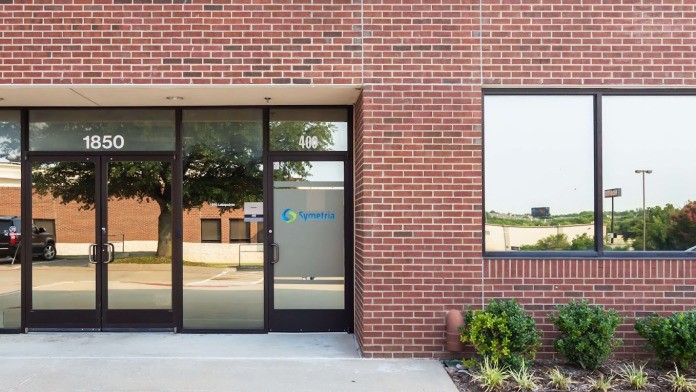
Symetria — Hurst Outpatient Rehab & Suboxone Clinic
1
Top 10 Rehab Centers In Hurst



















































































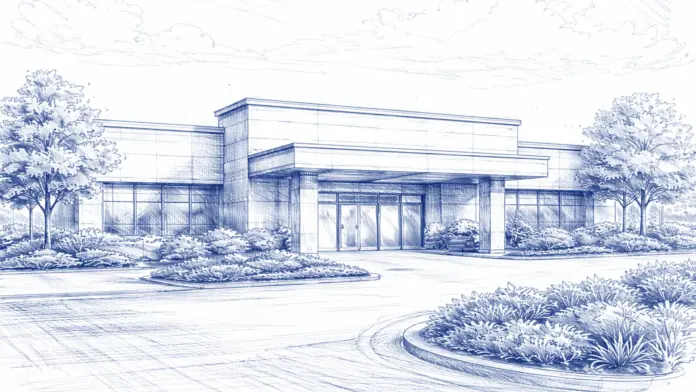
HeadSpace Counseling is an outpatient center located in Richardson, Texas. Therapy services provided include treatment for addictions, including both substance and process addictions, such as problem gambling. They also treat clients with eating disorders. They offer play therapy for children ages 3 to 10 years and treat people of all ages, from children to seniors.
The center isn’t in network with any insurance providers, but they will provide clients with a superbill for potential reimbursement from their health insurance provider. The office is conveniently located about 13 miles from the historic district in downtown Dallas and easily accessible from major highways.
In addition to assisting clients with substance addictions, the center can help clients with process addictions. These addictions are varied and include such things as work, religion, exercise, gaming, gambling, porn, sex and food. The treatment team offers compassionate, nonjudgmental care for whatever type of addiction with which you may be dealing.
Another issue faced by many individuals is a phobia or anxiety. The therapists have helped clients overcome phobias, fears and anxiety. Additionally, clients facing extreme peer pressure may be dealing with self image or body image issues.
The team helps clients deal with bullying, self esteem or body image issues. Clients dealing with transitions, such as divorce, job loss or relocation, may benefit from the therapists here.

 Our Methodology


Self-pay involves paying for treatment out of your own pocket. You can use savings or credit, get a personal loan, or receive help from family and friends to fund your treatment. If you don't have insurance or your insurance plan doesn't cover a specific program, self-pay can help ensure you still get the care you need.
Sliding scale payments are based on a client's income and family size. The goal is to make treatment affordable to everyone. By taking these factors into account, addiction recovery care providers help ensure that your treatment does not become a financial burden to you or your family, eliminating one barrier to care.
After completing some form of inpatient care, many clients transition or step down to an outpatient rehab, while some choose to transition from detox directly into outpatient care. High-intensity outpatient programming, including partial hospitalization (PHP) and intensive outpatient (IOP) is widely available for clients in early recovery, those leaving detox, and those at an elevated relapse risk. Clients in outpatient care generally engage in robust addiction counseling and recovery education, and some also receive medication assisted treatment (MAT).
Alcoholism occurs when a person becomes physically and psychologically dependent on alcohol. Attending a professional alcohol rehab in Texas can provide customized intervention methods to address the physical, mental, and relational challenges of addiction.
During rehab in Texas, you'll deal with underlying issues that contribute to addiction. By addressing these challenges and learning healthy ways to cope with them, you'll develop strategies that help you live a drug-free lifestyle.
Teen programs are designed to address the unique pressures teens face, pressures that can drive them to experiment with dangerous, addictive substances. They need programs that meet them exactly where they are and give them tools for long-term recovery. Therapy can help teenagers understand and work through underlying issues so they can reclaim the life ahead of them.
Adult rehab programs include therapies tailored to each client's specific needs, goals, and recovery progress. They are tailored to the specific challenges adult clients may face, including family and work pressures and commitments. From inpatient and residential treatment to various levels of outpatient services, there are many options available. Some facilities also help adults work through co-occurring conditions, like anxiety, that can accompany addiction.
The providers who specialize in the children's rehab space understand the specialized needs that this population faces. School-based and social services such as tutoring and family counseling are often central to treatment. Child programs may also address the needs of youth experiencing substance abuse in the home, including a parent's or sibling's addiction.
The goal of cognitive behavioral therapy (CBT) in Texas is to change thought patterns, which leads to changes in behavior. Specific techniques during CBT can include self talk, SMART goals, journaling, and positive activities.
Couples therapy helps couples learn to control emotions, trust each other, and communicate more effectively. It can be useful for short term intervention for a specific issue or for working on the relationship long term.
Together with an experienced trauma therapist, you work on healing emotional wounds from traumatic experiences within a trauma therapy environment. Your therapist will help you process the experience of the trauma, which promotes emotional healing and improves your overall mental health.
Rehab.com regularly reviews this listing for accuracy but changes may occur between updates. For the most up-to-date information, please contact HeadSpace Counseling.

100 N Central Expy Suite 712, Richardson, TX 75080
Sponsored Helpline

Audrey is wonderful! She is knowledgeable and professional. I highly recommend her!
 Back
Back
Sharing your insights and experiences can help others learn more about this rehab center.

 Written By: Susan Bertram
BA
Written By: Susan Bertram
BA
