





























































































About The Insight Program
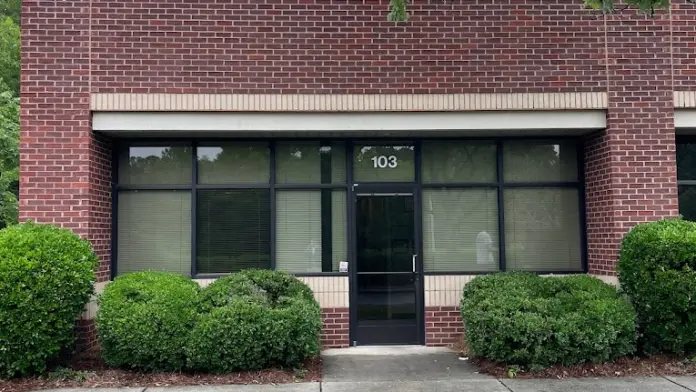
The Insight Program is a substance abuse treatment center in Cary, North Carolina, specializing in outpatient care for teens and young adults ages 13 to 25 years. Founded in 1987, the program provides intensive outpatient services, individual and family counseling and weekly 12 Step meetings designed for younger populations.
The Insight Program promotes Enthusiastic Sobriety, a recovery focused philosophy that encourages lasting change through peer connection, sober social activities and evidence based support.
Outpatient Addiction Treatment Programs
Care begins with a free evaluation followed by placement in the most appropriate level of treatment based on personal needs and ongoing progress. The intensive outpatient program for young adults generally lasts six to twelve weeks. Your program can include individual counseling, group support and relapse prevention planning while participants continue with school, work or daily responsibilities.
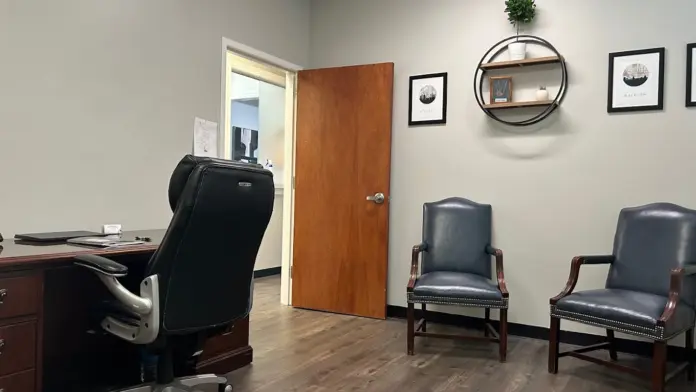
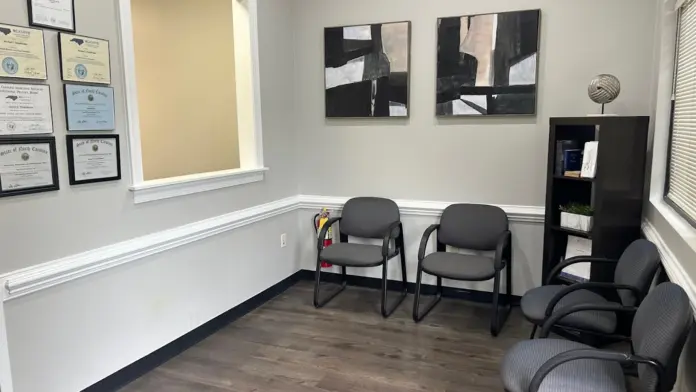
Counseling sessions address coping strategies, emotional wellbeing, managing peer influence and restoring family relationships. The program incorporates a 12 Step model adapted for youth, weekly peer meetings in a relaxed coffee shop environment and twice weekly sober social activities.
Program Recognizes the Importance of Family Participation
Family participation plays a central role, with parent support groups held every Monday evening that focus on boundary setting, communication skills and ways to support loved ones in recovery.
The organization’s counselors hold credentials such as CADC and CAC and many have personal recovery experience that strengthens both clinical and peer support. They provide coffee shop style meeting spaces, twice weekly sober social events and parent support group meetings every Monday night.
They accept most commercial health insurance plans with individualized treatment planning and discharge based on progress rather than insurance limits.
Latest Reviews



Rehab Score
 Our Methodology


Gallery
Other Forms of Payment
Private insurance refers to any kind of healthcare coverage that isn't from the state or federal government. This includes individual and family plans offered by an employer or purchased from the Insurance Marketplace. Every plan will have different requirements and out of pocket costs so be sure to get the full details before you start treatment.
Self-pay involves paying for treatment out of your own pocket. You can use savings or credit, get a personal loan, or receive help from family and friends to fund your treatment. If you don't have insurance or your insurance plan doesn't cover a specific program, self-pay can help ensure you still get the care you need.
Medicaid is a state based program that helps lower-income individuals and families pay for healthcare. Medicaid covers addiction treatment so those enrolled can use their coverage to pay for rehab. When a program accepts Medicaid the client often pays very little or nothing out of their own pocket.
Medicare is a federal program that provides health insurance for those 65 and older. It also serves people under 65 with chronic and disabling health challenges. To use Medicare for addiction treatment you need to find a program that accepts Medicare and is in network with your plan. Out of pocket costs and preauthorization requirements vary, so always check with your provider.
Addiction Treatments
Levels of Care
Outpatient Programs (OP) are for those seeking mental rehab or drug rehab, but who also stay at home every night. The main difference between outpatient treatment (OP) and intensive outpatient treatment (IOP) lies in the amount of hours the patient spends at the facility. Most of the time an outpatient program is designed for someone who has completed an inpatient stay and is looking to continue their growth in recovery. Outpatient is not meant to be the starting point, it is commonly referred to as aftercare.
Intensive Outpatient Programs (IOP) are for those who want or need a very structured treatment program but who also wish to live at home and continue with certain responsibilities (such as work or school). IOP substance abuse treatment programs vary in duration and intensity, and certain outpatient rehab centers will offer individualized treatment programs.
Rehab aftercare programs offer a complete continuum of care for clients in the maintenance phase of recovery and are predicated on the idea that addiction disease is a chronic condition prone to relapse and warranting continuing care. Clients collaborate with their care team and case manager to access the specific rehab aftercare services they need to promote their sustained sobriety. Peer coaching, relapse prevention services, career counseling, and 12 step program induction are common in these programs.
12-step programs are addiction recovery models based on Alcoholics Anonymous (AA). A number of substance abuse programs (including some drug and alcohol rehab centers) use the 12 steps as a basis for treatment. Beginning steps involve admitting powerlessness over the addiction and creating a spiritual basis for recovery. Middle steps including making direct amends to those who've been hurt by the addiction, and the final step is to assist others in addiction recovery in the same way. 12-Step offshoots including Narcotics Anonymous (NA), Cocaine Anonymous (CA), Dual Recovery Anonymous (DRA), Sex and Love Addicts Anonymous (SLAA) and Gamblers Anonymous (GA).
Intervention services can provide customized interventions tailored to the needs of the individual and family. An intervention specialist can design and conduct a drug intervention in North Carolina that encourages the individual to enter treatment in a non-coercive manner. The specialist will meet with the family to plan the intervention, then provide expert insights to guide the process and appropriate follow-up care.
A medically assisted detox is the safest way to remove addictive drugs and alcohol from your body. A team of licensed medical professionals will look after you 24/7 to monitor your health, help minimize discomfort, and provide medications if necessary to alleviate any withdrawal symptoms. This process is typically the first step in your recovery and may take around 5-7 days, although length will depend on your individual needs.
Treatments
Substance rehabs focus on helping individuals recover from substance abuse, including alcohol and drug addiction (both illegal and prescription drugs). They often include the opportunity to engage in both individual as well as group therapy.
Programs
Adult rehab programs include therapies tailored to each client's specific needs, goals, and recovery progress. They are tailored to the specific challenges adult clients may face, including family and work pressures and commitments. From inpatient and residential treatment to various levels of outpatient services, there are many options available. Some facilities also help adults work through co-occurring conditions, like anxiety, that can accompany addiction.
Young adulthood can be an exciting, yet difficult, time of transition. Individuals in their late teens to mid-20s face unique stressors related to school, jobs, families, and social circles, which can lead to a rise in substance use. Rehab centers with dedicated young adult programs will include activities and amenities that cater to this age group, with an emphasis on specialized counseling, peer socialization, and ongoing aftercare.
Clinical Services
Group therapy is any therapeutic work that happens in a group (not one-on-one). There are a number of different group therapy modalities, including support groups, experiential therapy, psycho-education, and more. Group therapy involves treatment as well as processing interaction between group members.
In individual therapy, a patient meets one-on-one with a trained psychologist or counselor. Therapy is a pivotal part of effective substance abuse treatment, as it often covers root causes of addiction, including challenges faced by the patient in their social, family, and work/school life.
If you're struggling with insecurity about your ability to make changes in your life, motivational interviewing in North Carolina could be a good solution. This type of therapy offers support and empowerment to help you explore your options and decide how to move forward with positive changes.
Trauma therapy helps you reclaim your life after experiencing or witnessing a traumatic event. Therapists help to process these memories, which promotes emotional healing and reduces anxiety in social situations. This improves your overall well being and increases your self confidence.
Research clearly demonstrates that recovery is far more successful and sustainable when loved ones like family members participate in rehab and substance abuse treatment. Genetic factors may be at play when it comes to drug and alcohol addiction, as well as mental health issues. Family dynamics often play a critical role in addiction triggers, and if properly educated, family members can be a strong source of support when it comes to rehabilitation.
Routine tasks are difficult for someone experiencing addiction. Daily skills deteriorate, which makes it harder to achieve recovery. That's why drug rehab programs in North Carolina reteach basic life skills. This gives you the tools you need to manage daily life without returning to substance use.
Staff & Accreditations
Staff

Clint Stonebraker
Owner,Executive Director

Matt Meyer
Program Director
Bethany Crevar
Administrator
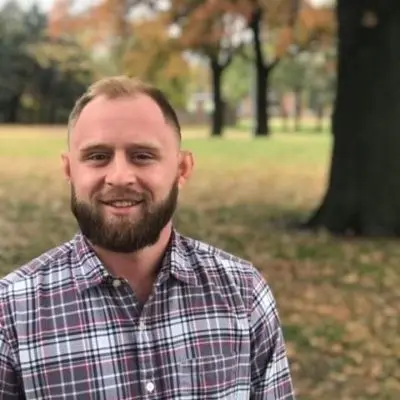
Nick Rebholz
Facility Director
Accreditations

State Licenses are permits issued by government agencies that allow rehab organizations to conduct business legally within a certain geographical area. Typically, the kind of program a rehab facility offers, along with its physical location, determines which licenses are required to operate legally.
State License: North Carolina
Rehab.com regularly reviews this listing for accuracy but changes may occur between updates. For the most up-to-date information, please contact The Insight Program.
Contact Information


103 Towerview Ct
Cary, NC 27513
Sponsored Helpline


