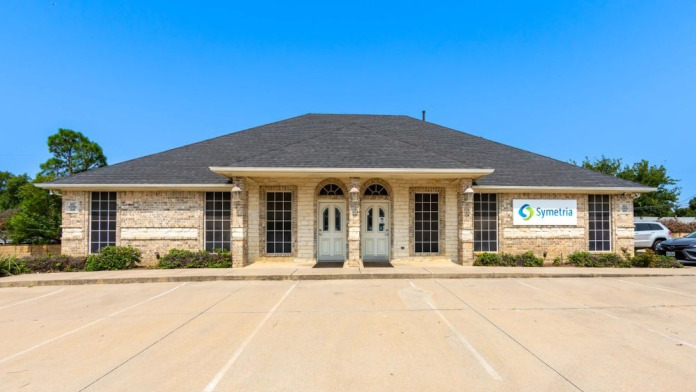
Symetria — Hurst Outpatient Rehab & Suboxone Clinic
1
Top 10 Rehab Centers In Hurst




















































































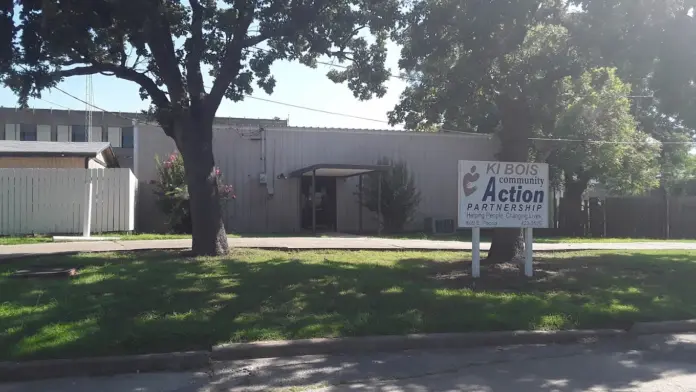
KI BOIS Community Action Inc is a community services provider in McAlester, Oklahoma offering a wide range of programs and services to the local and neighboring areas.
Their primary focus is on social services which include a broad array of programs for people with special needs across physical disabilities, mental health, and developmental disabilities.
As a social services agency, this KI BOIS can help people with substance use disorder by connecting you with treatment providers in the area.
This can begin with medically assisted detox for clients managing withdrawal from alcohol, opioids, or other substances followed by residential care in a structured setting.
Medication assisted treatment and relapse prevention in addition to 12 step support are also available in the community, and KI BOIS can connect you with these facilities.
It’s important to note, however, that KI BOIS doesn’t offer addiction treatment or mental health care directly. Their assistance in this area is specifically offering referrals and connections.
I did think it’s notable that they have specialized programs for Veterans and their families here. Addiction is a common effect of the trauma that can come from military service, so if that’s a concern for you, they can help with referrals in this program.

 Our Methodology


Private insurance refers to any kind of healthcare coverage that isn't from the state or federal government. This includes individual and family plans offered by an employer or purchased from the Insurance Marketplace. Every plan will have different requirements and out of pocket costs so be sure to get the full details before you start treatment.
Self-pay involves paying for treatment out of your own pocket. You can use savings or credit, get a personal loan, or receive help from family and friends to fund your treatment. If you don't have insurance or your insurance plan doesn't cover a specific program, self-pay can help ensure you still get the care you need.
Financial aid can take many forms. Centers may have grants or scholarships available to clients who meet eligibility requirements. Programs that receive SAMHSA grants may have financial aid available for those who need treatment as well. Grants and scholarships can help you pai for treatment without having to repay.
Sliding scale payments are based on a client's income and family size. The goal is to make treatment affordable to everyone. By taking these factors into account, addiction recovery care providers help ensure that your treatment does not become a financial burden to you or your family, eliminating one barrier to care.
Medicaid is a state based program that helps lower-income individuals and families pay for healthcare. Medicaid covers addiction treatment so those enrolled can use their coverage to pay for rehab. When a program accepts Medicaid the client often pays very little or nothing out of their own pocket.
Clients seeking care in an outpatient rehab are often stepping down from intensive inpatient treatment or have chosen to remain in their home while in treatment. Outpatient programs offer a variety of services to provide clients with a full continuum of care. Partial hospitalization (PHP) and intensive outpatient (IOP) programs are high frequency and intensity services for clients who require robust structure, supervision, and support. Outpatient treatment typically consists of psychotherapy, recovery education, and medication assisted treatment (MAT).
Residential treatment programs are those that offer housing and meals in addition to substance abuse treatment. Rehab facilities that offer residential treatment allow patients to focus solely on recovery, in an environment totally separate from their lives. Some rehab centers specialize in short-term residential treatment (a few days to a week or two), while others solely provide treatment on a long-term basis (several weeks to months). Some offer both, and tailor treatment to the patient's individual requirements.
Clients participating in an intensive outpatient program (IOP) receive frequent, high-level care while living at home. Many enter intensive outpatient treatment immediately after leaving inpatient rehab, but some transition directly from detox into IOP. Treatment generally involves nine to 20 therapeutic hours per week and a combination of addiction counseling, recovery-focused life skills training, and evidence-based complementary care. Many outpatient rehabs also offer medication assisted treatment (MAT) for clients with alcohol and/or opioid addiction.
Clients enrolled in rehab aftercare programs have typically completed weeks or months of intensive treatment, often in inpatient detox and/or rehab centers, and may be receiving outpatient care. Drug rehab aftercare is designed to approach recovery as a life-long process. Clients and their case managers and care teams typically work together to formulate clients' continuing care plan, which may include peer coaching, career counseling, and 12 step program facilitation, among other services.
12 step programs invoke spiritual principles to promote participants' psychological and emotional growth and healing, though religious affiliation is not required. Their primary treatment modalities include intensive peer support and recovery-focused life skills training based on the 12 steps of recovery. Participants regularly engage in peer-led group meetings, which are free, anonymous, and available throughout the day and night in most communities. Sponsors provide one-on-one mentoring as participants cultivate self-awareness, forgiveness, acceptance, and accountability.
Each sober living home in Oklahoma is a substance-free environment where residents can get support from others who are in recovery. Intensive treatment is not provided, but recovery meeting attendance is typically required. Residents must also maintain household duties and pay rent. There is no time limit for how long residents can stay, as long as they continue to abide by the established halfway house rules.
The safest way to remove addictive substances from your body after you've become physically dependent is through a medically assisted detox. Usually performed in an inpatient setting, a team of licensed medical professionals are tasked with monitoring your health and helping to minimize the risks and physical discomfort caused by withdrawal symptoms. Medically assisted detox is often the first step in the recovery process. After your body is safely free of substances, you'll likely transition to an inpatient treatment program to continue your recovery.
Substance rehabs focus on helping individuals recover from substance abuse, including alcohol and drug addiction (both illegal and prescription drugs). They often include the opportunity to engage in both individual as well as group therapy.
People with alcoholism (also known as alcohol dependence or alcohol use disorder) do not have reliable control of their alcohol use. They experience withdrawal symptoms if drinking suddenly stops. Due to these symptoms, medical detox is often best for those who seek treatment for alcohol addiction. Once this supervised process is complete, alcohol rehab in Oklahoma can provide further treatment and follow-up for recovery.
To address the issues of addiction, each drug rehab in Oklahoma is tailored to meet the individual's needs. Treatment may occur in a residential or outpatient setting, and may last from a few days to several months.
 Opioid Addiction
Adult rehab programs include therapies tailored to each client's specific needs, goals, and recovery progress. They are tailored to the specific challenges adult clients may face, including family and work pressures and commitments. From inpatient and residential treatment to various levels of outpatient services, there are many options available. Some facilities also help adults work through co-occurring conditions, like anxiety, that can accompany addiction.
Young adulthood can be an exciting, yet difficult, time of transition. Individuals in their late teens to mid-20s face unique stressors related to school, jobs, families, and social circles, which can lead to a rise in substance use. Rehab centers with dedicated young adult programs will include activities and amenities that cater to this age group, with an emphasis on specialized counseling, peer socialization, and ongoing aftercare.
Recovery is most successful when clients feel accepted and validated by their peers and treatment providers. Facilities that offer LGBTQ-inclusive programming are committed to creating a safe space where everyone can grow and recover without fear of judgment or discrimination. They will have dedicated policies in place to create a safe and supportive environment that fosters free expression.
Men face specific challenges and concerns when seeking addiction treatment. Gender-specific recovery programs help them tackle these issues head-on in an environment that's focused, targeted, and distraction-free. It also gives them the opportunity to connect with and learn from other men who have been through a similar journey and can offer support for the next step.
Rehabs for women provide a safe, nurturing space for female clients to heal. These treatment programs consider the specific obstacles that women can face during recovery and place a special emphasis on mental, social, physical, and reproductive health. They explore how each woman's experience has shaped the trajectory of their substance use, addressing issues such as sexual abuse and past trauma.
If you participate in cognitive behavioral therapy in Oklahoma, you can expect to attend somewhere between five and 20 sessions. This short term method is an effective way to learn healthy coping strategies that help you change your thinking and behavior patterns.
Addiction treatment in Oklahoma may include dialectical behavior therapy. This evidence based approach teaches you how to improve relationships, manage your emotions, and learn healthy ways to deal with stress. Treatment includes one on one sessions with a therapist and group skills application sessions.
Group therapy is any therapeutic work that happens in a group (not one-on-one). There are a number of different group therapy modalities, including support groups, experiential therapy, psycho-education, and more. Group therapy involves treatment as well as processing interaction between group members.
In individual therapy, a patient meets one-on-one with a trained psychologist or counselor. Therapy is a pivotal part of effective substance abuse treatment, as it often covers root causes of addiction, including challenges faced by the patient in their social, family, and work/school life.
Motivational interviewing may be used on its own or in conjunction with other treatment approaches. It is designed as a mode of communication rather than an intervention. It involves asking questions, listening, and encouraging clients to come to their own conclusions and feel empowered to make changes in their lives.
Trauma therapy provides you with a safe and supportive environment in which you can confront and address the emotional and physical impacts of traumatic events. Your therapist helps you understand your emotional and physical responses and develop healthier coping skills, which lowers your anxiety level and provides you with greater self confidence.
Couples therapy often focuses on a specific problem, such as addiction, intimacy, jealousy, or finances. Treatment is solution focused and change oriented. The couple works with the therapist to identify goals for therapy and actively participates in learning skills and behaviors to reach those goals.
Family therapy offers a safe space for family members to openly talk about their feelings and the challenges that addiction has triggered. This process helps to improve their understanding of the disease of addiction and supports the family's unified approach to the recovery journey.
 Residential Setting
  Private Rooms
  Gym
Gym  Recreation Room
 Executive Director / CEO
Associate Director / CFO
Associate Director / COO
Fiscal Officer
Human Resources Director
Planning & Development Director
Community & Public Relations Director
Community Care Director

The Substance Abuse and Mental Health Services Administration (SAMHSA) is a branch of the U.S. Department of Health and Human Services. Established in 1992 by congress, SAMHSA's mission is to reduce the impact of substance abuse and mental illness on American's communities.
SAMHSA Listed: Yes

The Commission on Accreditation of Rehabilitation Facilities (CARF) is a non-profit organization that specifically accredits rehab organizations. Founded in 1966, CARF's, mission is to help service providers like rehab facilities maintain high standards of care.
CARF Accreditation: Yes

State Licenses are permits issued by government agencies that allow rehab organizations to conduct business legally within a certain geographical area. Typically, the kind of program a rehab facility offers, along with its physical location, determines which licenses are required to operate legally.
State License: Oklahoma
Rehab.com regularly reviews this listing for accuracy but changes may occur between updates. For the most up-to-date information, please contact Ki Bois Community Action Inc.

609 E Peoria Av
Mcalester OK, 74501
Sponsored Helpline

The person at the office she is very rude and disrespectful and likes to yell at people because she don't understand that people have a busy life and the reason she is like that because she sits behind a desk and thinks it's ok to be hateful to people and rude

They take waaaaay to long just for a small town don't even waste your time walking would be faster then this

Takes too long, unreliable and the woman on the phone is absolutely rude and disrespectful

I called this morning and talked with Candy she was very helpful and friendly. I received the information I needed to receive transportation.
 Back
Back
Sharing your insights and experiences can help others learn more about this rehab center.