





























































































About Lake Geauga Recovery Centers
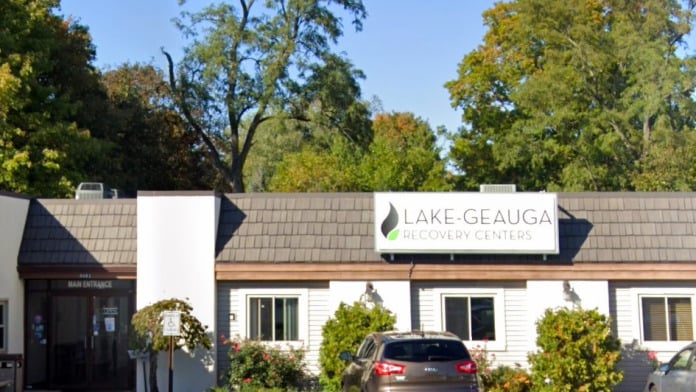
Lake-Geauga Recovery Centers is an addiction treatment provider offering outpatient care for adults in Chardon, Ohio.
The Chardon office delivers assessments, counseling, intensive outpatient treatment, dual diagnosis services, medication and video therapy for substance use, mental health and problem gambling concerns.
The organization is guided by a mission of lifelong recovery through education, prevention and treatment, regardless of a client’s ability to pay.
Outpatient Addiction Treatment
The Chardon office serves as a community-based outpatient hub for adults navigating alcohol, drug, or co-occurring mental health concerns.
Services include intake assessments, drug testing, individual and group counseling, family group sessions, and intensive outpatient programming.
Medication-assisted treatment, with options such as naltrexone, Vivitrol and Suboxone, is integrated with counseling and clinical support rather than offered alone.
Ambulatory detox for opiate withdrawal is also available following intake and medical evaluation, helping clients address both withdrawal and the underlying patterns driving substance use.
Specialized Tracks and Whole-Person Support
Alongside offering core addiction care, Lake-Geauga provides specialty services including dual diagnosis treatment, problem gambling support, first responders programming, grief support, EMDR, anger management and the Geauga Jail Treatment Program.
The center is also LGBTQ+ friendly and incorporates family programming to support lasting recovery.

Rehab Score
 Our Methodology


Gallery
Other Forms of Payment
Medicaid is a state based program that helps lower-income individuals and families pay for healthcare. Medicaid covers addiction treatment so those enrolled can use their coverage to pay for rehab. When a program accepts Medicaid the client often pays very little or nothing out of their own pocket.
Private insurance refers to any kind of healthcare coverage that isn't from the state or federal government. This includes individual and family plans offered by an employer or purchased from the Insurance Marketplace. Every plan will have different requirements and out of pocket costs so be sure to get the full details before you start treatment.
Self-pay involves paying for treatment out of your own pocket. You can use savings or credit, get a personal loan, or receive help from family and friends to fund your treatment. If you don't have insurance or your insurance plan doesn't cover a specific program, self-pay can help ensure you still get the care you need.
Financial aid can take many forms. Centers may have grants or scholarships available to clients who meet eligibility requirements. Programs that receive SAMHSA grants may have financial aid available for those who need treatment as well. Grants and scholarships can help you pai for treatment without having to repay.
Sliding scale payments are based on a client's income and family size. The goal is to make treatment affordable to everyone. By taking these factors into account, addiction recovery care providers help ensure that your treatment does not become a financial burden to you or your family, eliminating one barrier to care.
Addiction Treatments
Levels of Care
The Center provides a wide range of services for adults whose lives have been affected by their own or another’s use of alcohol or other drugs, by problem gambling, or by mental illness. Licensed, trained professionals offer support, education, and counseling to individuals, families, businesses, other service providers, and the community at large. Their goal for treatment services is to help our consumers achieve long-term recovery and an improved quality of life.
Lake-Geauga Recovery Centers offers ambulatory detox for individuals struggling with opiate addiction and withdrawal. This non-narcotic management of opiate withdrawal provides an alternative to suboxone and provides medications to assist individuals with the intensely uncomfortable, but non-life threatening, withdrawal symptoms.
Intensive Outpatient Programs (IOP) are for those who want or need a very structured treatment program but who also wish to live at home and continue with certain responsibilities (such as work or school). IOP substance abuse treatment programs vary in duration and intensity, and certain outpatient rehab centers will offer individualized treatment programs.
12-step programs are addiction recovery models based on Alcoholics Anonymous (AA). A number of substance abuse programs (including some drug and alcohol rehab centers) use the 12 steps as a basis for treatment. Beginning steps involve admitting powerlessness over the addiction and creating a spiritual basis for recovery. Middle steps including making direct amends to those who've been hurt by the addiction, and the final step is to assist others in addiction recovery in the same way. 12-Step offshoots including Narcotics Anonymous (NA), Cocaine Anonymous (CA), Dual Recovery Anonymous (DRA), Sex and Love Addicts Anonymous (SLAA) and Gamblers Anonymous (GA).
Completing a drug or alcohol rehab program shouldn't spell the end of substance abuse treatment. Aftercare involves making a sustainable plan for recovery, including ongoing support. This can include sober living arrangements like halfway houses, career counseling, and setting a patient up with community programs like Alcoholics Anonymous (AA) or Narcotics Anonymous (NA).
For individuals seeking a safe, sober and healthy living environment following the completion of primary treatment, the Center offers Recovery Housing. These residential, single-family homes provide additional support to promote recovery from alcohol and drugs. With self-determined lengths of stay, residency is designed to be transitional and to afford the individual sufficient time and resources with which to establish solid, independent and productive living arrangements.
Treatments
The goal of treatment for alcoholism is abstinence. Those with poor social support, poor motivation, or psychiatric disorders tend to relapse within a few years of treatment. For these people, success is measured by longer periods of abstinence, reduced use of alcohol, better health, and improved social functioning. Recovery and Maintenance are usually based on 12 step programs and AA meetings.
Drug rehab in Ohio provides comprehensive treatment to address the physical and psychological needs of those struggling with substance use disorders. This may involve inpatient and/or outpatient care.
Many of those suffering from addiction also suffer from mental or emotional illnesses like schizophrenia, bipolar disorder, depression, or anxiety disorders. Rehab and other substance abuse facilities treating those with a dual diagnosis or co-occurring disorder administer psychiatric treatment to address the person's mental health issue in addition to drug and alcohol rehabilitation.
A combined mental health and substance abuse rehab has the staff and resources available to handle individuals with both mental health and substance abuse issues. It can be challenging to determine where a specific symptom stems from (a mental health issue or an issue related to substance abuse), so mental health and substance abuse professionals are helpful in detangling symptoms and keeping treatment on track.
Opioid rehabs specialize in supporting those recovering from opioid addiction. They treat those suffering from addiction to illegal opioids like heroin, as well as prescription drugs like oxycodone. These centers typically combine both physical as well as mental and emotional support to help stop addiction. Physical support often includes medical detox and subsequent medical support (including medication), and mental support includes in-depth therapy to address the underlying causes of addiction.
Programs
Adult rehab programs include therapies tailored to each client's specific needs, goals, and recovery progress. They are tailored to the specific challenges adult clients may face, including family and work pressures and commitments. From inpatient and residential treatment to various levels of outpatient services, there are many options available. Some facilities also help adults work through co-occurring conditions, like anxiety, that can accompany addiction.
Young adulthood can be an exciting, yet difficult, time of transition. Individuals in their late teens to mid-20s face unique stressors related to school, jobs, families, and social circles, which can lead to a rise in substance use. Rehab centers with dedicated young adult programs will include activities and amenities that cater to this age group, with an emphasis on specialized counseling, peer socialization, and ongoing aftercare.
Clinical Services
At Lake-Geauga Recovery Centers, they believe that the development of meaningful and supportive relationships for their clients is an essential ingredient for success. They recognize the immediate and long-term benefits to individuals in recovery when their families are involved in treatment. Therefore, they strongly encourage families to participate in Lake-Geauga Recovery Centers’ Family Program.
Group therapy is any therapeutic work that happens in a group (not one-on-one). There are a number of different group therapy modalities, including support groups, experiential therapy, psycho-education, and more. Group therapy involves treatment as well as processing interaction between group members.
In individual therapy, a patient meets one-on-one with a trained psychologist or counselor. Therapy is a pivotal part of effective substance abuse treatment, as it often covers root causes of addiction, including challenges faced by the patient in their social, family, and work/school life.
Life skills trainings involve all the skills a person must have in order to function successfully in the world. These include time management, career guidance, money management, and effective communication. Truly successful addiction recovery is based on the ability to not only live substance-free, but to thrive. Life skills teaches the practical necessities of functioning in society, which sets clients up for success in life, and therefore sobriety.
Nicotine Replacement Therapy (NRT) is a way of getting nicotine into the bloodstream without smoking. It uses products that supply low doses of nicotine to help people stop smoking. The goal of therapy is to cut down on cravings for nicotine and ease the symptoms of nicotine withdrawal.
Trauma therapy addresses traumatic incidents from a client's past that are likely affecting their present-day experience. Trauma is often one of the primary triggers and potential causes of addiction, and can stem from child sexual abuse, domestic violence, having a parent with a mental illness, losing one or both parents at a young age, teenage or adult sexual assault, or any number of other factors. The purpose of trauma therapy is to allow a patient to process trauma and move through and past it, with the help of trained and compassionate mental health professionals.
Amenities
-
 Private Setting
Staff & Accreditations
Staff

Melanie Blasko, LPC-S, LICDC-CS
President & CEO
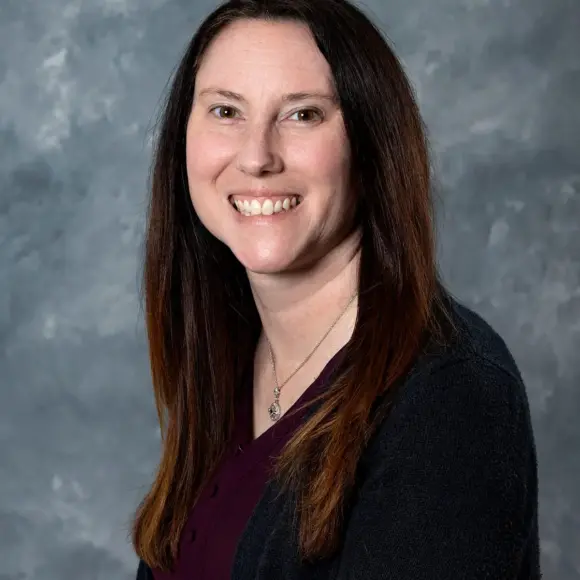
Kerri Luckner, LPCC-S
COO

Charles Tong
CFO
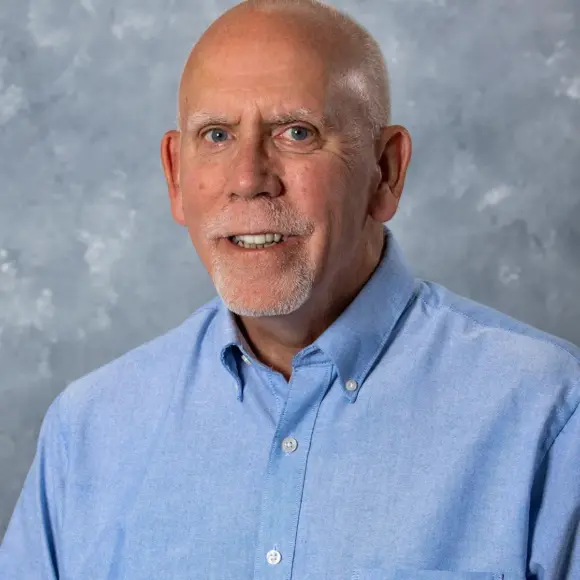
Dave Hanlon, LICDC-CS
Director of Residential Services
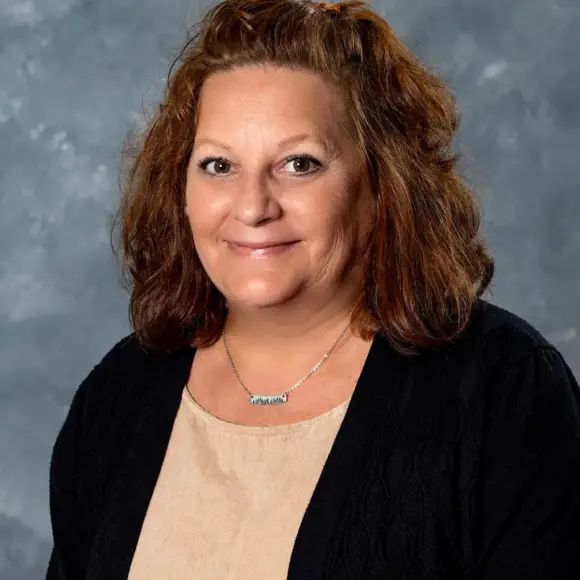
Wendy Dixon
Executive Assistant
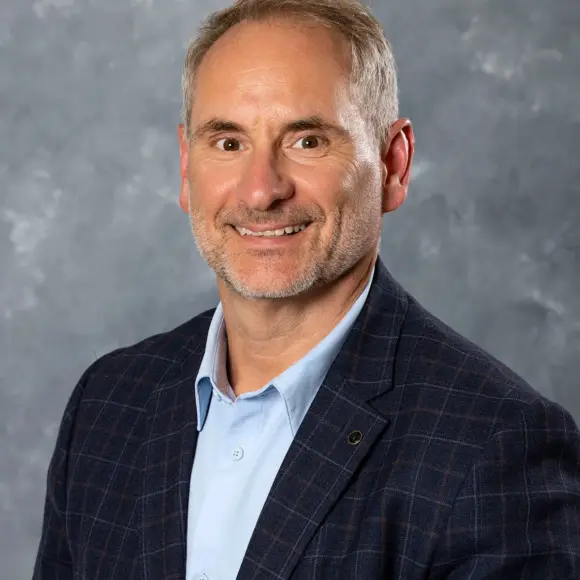
Dale Puruczky
Board Chair
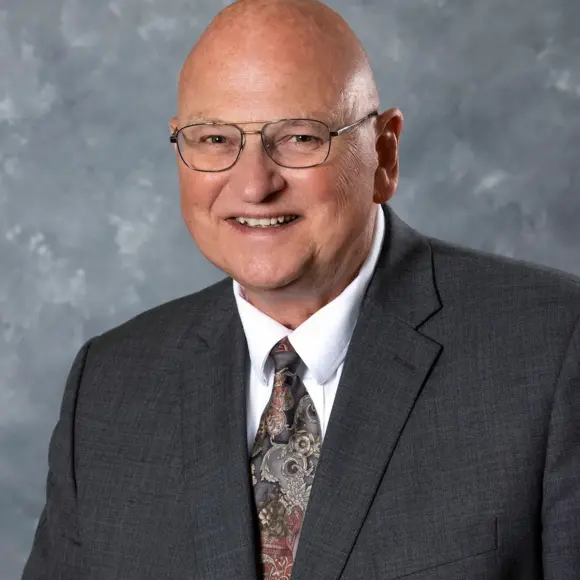
Dale Lewis
Treasurer
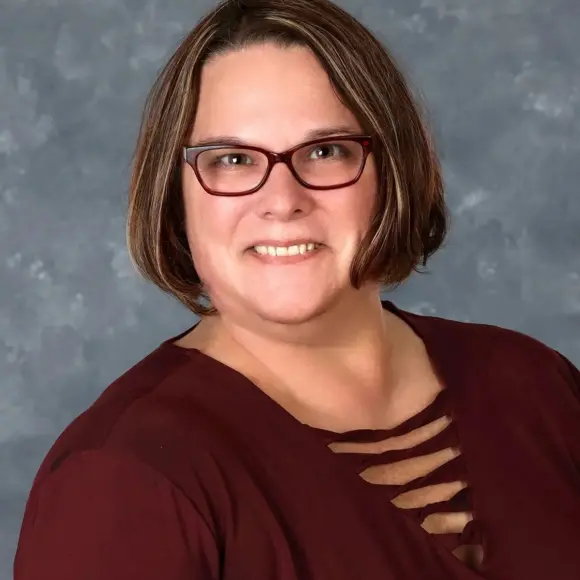
Irena Mazi
Secretary
Accreditations

The Commission on Accreditation of Rehabilitation Facilities (CARF) is a non-profit organization that specifically accredits rehab organizations. Founded in 1966, CARF's, mission is to help service providers like rehab facilities maintain high standards of care.
CARF Accreditation: Yes
Rehab.com regularly reviews this listing for accuracy but changes may occur between updates. For the most up-to-date information, please contact Lake Geauga Recovery Centers.
Contact Information


209 Center Street
Unit E
Chardon, OH 44024
Sponsored Helpline


