





























































































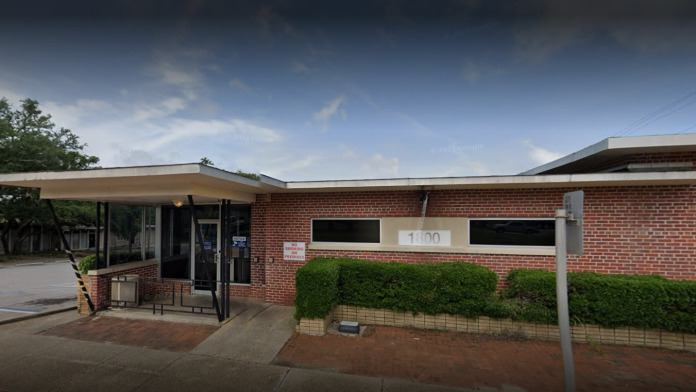
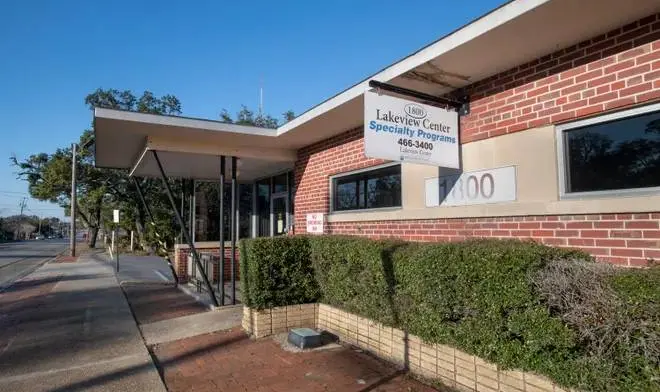
About Lakeview Center Medication-Assisted Treatment – Pensacola
Lakeview Center provides MAT, which uses medication to help individuals overcome addictions to drugs and opioids by minimizing cravings. As part of their drug rehab treatment, clients receive personalized, evidence-based treatment to guide them toward sober living, which includes therapy.
Lakeview’s DUI program helps individuals charged with driving under the influence through alcohol and drug education. They assist clients in completing the court-ordered steps of recovery.
Florida Assertive Community Treatment aids those with a substance use disorder (SUD) or mental illness diagnosis who need help with living independently and managing their health needs. They provide wraparound services, including psychiatry, case management, counseling, nursing, and vocational assistance.
Lakeview Center payments are on a sliding scale basis. Parts of their program may be covered by major insurers such as Cigna, Humana, Beacon, Aetna, Anthem, and others. Check with your insurer to confirm coverage and out of network benefits.
Facility Overview
 16
16 Latest Reviews



Rehab Score
 Our Methodology


Gallery
Other Forms of Payment
Medicaid is a state based program that helps lower-income individuals and families pay for healthcare. Medicaid covers addiction treatment so those enrolled can use their coverage to pay for rehab. When a program accepts Medicaid the client often pays very little or nothing out of their own pocket.
Sliding scale payments are based on a client's income and family size. The goal is to make treatment affordable to everyone. By taking these factors into account, addiction recovery care providers help ensure that your treatment does not become a financial burden to you or your family, eliminating one barrier to care.
Addiction Treatments
Levels of Care
Outpatient Programs (OP) are for those seeking mental rehab or drug rehab, but who also stay at home every night. The main difference between outpatient treatment (OP) and intensive outpatient treatment (IOP) lies in the amount of hours the patient spends at the facility. Most of the time an outpatient program is designed for someone who has completed an inpatient stay and is looking to continue their growth in recovery. Outpatient is not meant to be the starting point, it is commonly referred to as aftercare.
Drug and alcohol addiction often takes a heavy toll on one's body. Over time, a physical dependence can develop, meaning the body physiologically needs the substance to function. Detox is the process of removing drugs and/or alcohol from the body, a process that can be lethal if mismanaged. Medical detox is done by licensed medical professionals who monitor vital signs and keep you safe, healthy, and as comfortable as possible as you go through detox and withdrawal.
Clients typically choose inpatient rehab when they are in early recovery or are experiencing a crisis that puts them at an increased risk of relapse. They reside at the treatment center for the length of their program, which may range from two weeks to more than 18 months, depending on the program design. Intensive psychotherapy is often the primary treatment modality, but clients in inpatient care may also receive holistic treatment and recovery-focused life skills training.
Treatments
Opioid rehabs specialize in supporting those recovering from opioid addiction. They treat those suffering from addiction to illegal opioids like heroin, as well as prescription drugs like oxycodone. These centers typically combine both physical as well as mental and emotional support to help stop addiction. Physical support often includes medical detox and subsequent medical support (including medication), and mental support includes in-depth therapy to address the underlying causes of addiction.
Substance rehabs focus on helping individuals recover from substance abuse, including alcohol and drug addiction (both illegal and prescription drugs). They often include the opportunity to engage in both individual as well as group therapy.
Programs
Adult rehab programs include therapies tailored to each client's specific needs, goals, and recovery progress. They are tailored to the specific challenges adult clients may face, including family and work pressures and commitments. From inpatient and residential treatment to various levels of outpatient services, there are many options available. Some facilities also help adults work through co-occurring conditions, like anxiety, that can accompany addiction.
Young adulthood can be an exciting, yet difficult, time of transition. Individuals in their late teens to mid-20s face unique stressors related to school, jobs, families, and social circles, which can lead to a rise in substance use. Rehab centers with dedicated young adult programs will include activities and amenities that cater to this age group, with an emphasis on specialized counseling, peer socialization, and ongoing aftercare.
Clinical Services
Group therapy is any therapeutic work that happens in a group (not one-on-one). There are a number of different group therapy modalities, including support groups, experiential therapy, psycho-education, and more. Group therapy involves treatment as well as processing interaction between group members.
In individual therapy, a patient meets one-on-one with a trained psychologist or counselor. Therapy is a pivotal part of effective substance abuse treatment, as it often covers root causes of addiction, including challenges faced by the patient in their social, family, and work/school life.
Amenities
-
 Private Setting
 -
 Residential Setting
Staff & Accreditations
Staff

Allison Hill
Chief Executive Officer
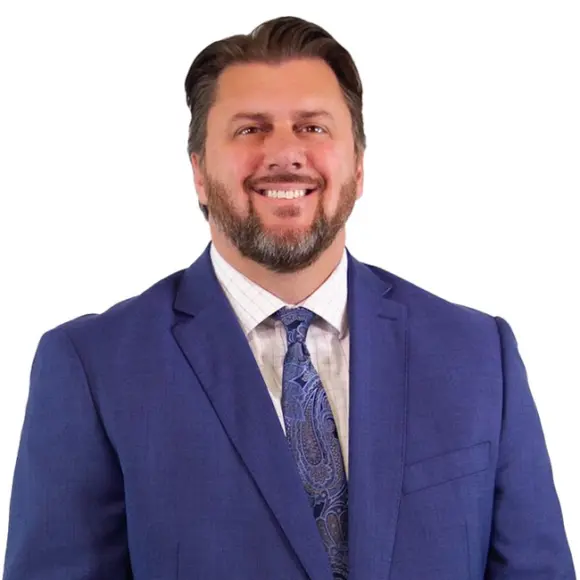
Shawn Salamida
President Lakeview Center

Sandy Whitaker
Vice President of Corporate Development
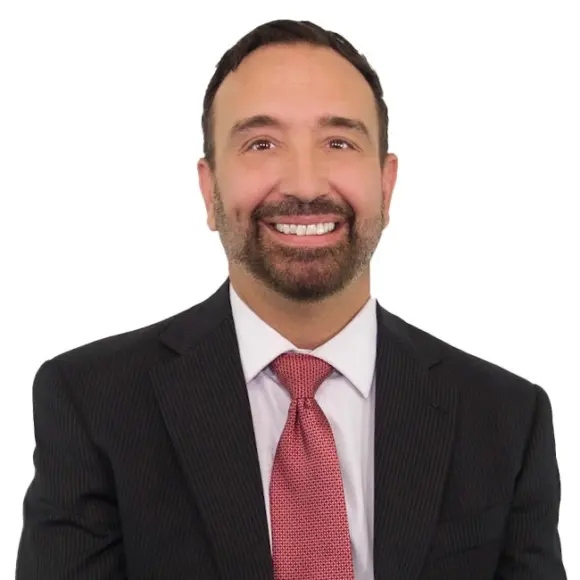
Eric Barley, CPA
Chief Financial Officer
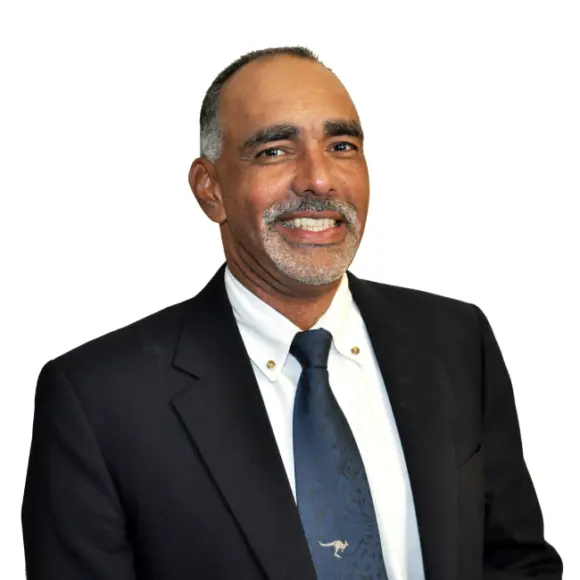
David Josephs, Psy.D
Clinical Director
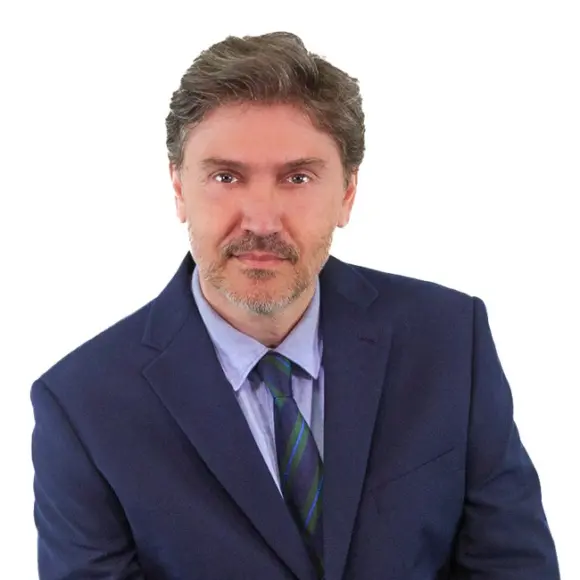
Guido Ludergnani, M.D
Chief Of Medical Services

Jeff Fletcher, Pharm D. BCNP
Director of Outpatient Services and Medical Operations

Tia Guidry, LMHC
Director of Lakeview Center of Walton County

Tammy Moore, MS, LMHC, CAP
Director of Community-Based Services
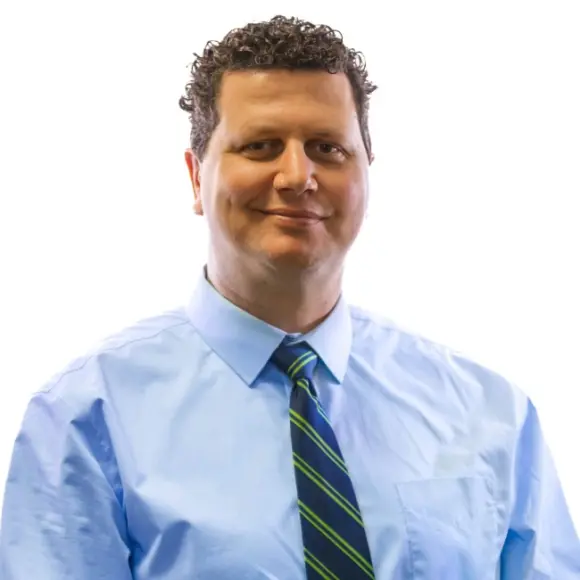
Dustin Perry, LCSW
Director of Residential Services – Adult and Children
Accreditations

The Commission on Accreditation of Rehabilitation Facilities (CARF) is a non-profit organization that specifically accredits rehab organizations. Founded in 1966, CARF's, mission is to help service providers like rehab facilities maintain high standards of care.
CARF Accreditation: Yes
Rehab.com regularly reviews this listing for accuracy but changes may occur between updates. For the most up-to-date information, please contact Lakeview Center Medication-Assisted Treatment – Pensacola.
Contact Information


1800 North Palafox Street
Pensacola, FL 32501
Sponsored Helpline



