





























































































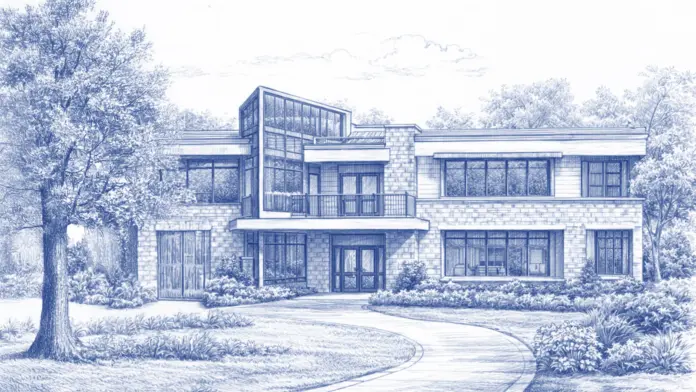
About Missouri Behavioral Health
Missouri Behavioral Health is an outpatient mental health and addiction treatment provider based in Springfield, Missouri, serving clients in person and through telehealth statewide. Its programs span partial hospitalization, intensive outpatient, and standard outpatient care, using evidence-based therapies such as CBT and DBT for both substance use and mental health conditions. What distinguishes it is how far its care reaches beyond Springfield and how quickly clients can start.
Does Missouri Behavioral Health offer virtual treatment across Missouri?
Missouri Behavioral Health delivers care both at its Springfield campus and through telehealth to clients anywhere in the state, so someone in a rural county or another Missouri city can access the same programs without relocating. Admissions coordinators are available 24 hours a day, and same-day admissions are often possible.
This reach matters in a state where specialized behavioral health care can be hours away. Whether a client attends in person on East Battlefield Road or joins sessions online, Missouri Behavioral Health offers partial hospitalization, intensive outpatient, and outpatient levels of care, with benefits verified at no cost before treatment begins.
How does Missouri Behavioral Health treat co-occurring addiction and mental health conditions?
Missouri Behavioral Health treats substance use and mental health together through dual diagnosis care, addressing conditions like anxiety, depression, PTSD, and bipolar disorder alongside alcohol, opioid, and other substance use disorders. Clinical leadership includes a double board-certified physician in Family Medicine and Addiction Medicine, which supports integrated medical and behavioral care. Treatment plans are individualized and built by licensed clinicians rather than fit to a fixed template.
Missouri Behavioral Health serves Springfield and communities across Missouri, and accepts most private insurance plans including Aetna, Anthem Blue Cross, Blue Cross Blue Shield, Cigna, and UnitedHealthcare, along with private pay. It does not accept Medicaid or Medicare.
Reach out to verify coverage and take the first step toward treatment.
Latest Reviews



Rehab Score
 Our Methodology


Location
Other Forms of Payment
Per session payment lets you pay for each treatment at the time of service. You may also pay for a certain number of sessions up front and then pay for more if needed. This format allows you to tailor the financial investment to your specific needs and avoid having a large lump sum payment due at the end of the treatment program.
Addiction Treatments
Levels of Care
Missouri Behavioral Health's partial hospitalization program runs 5 to 7 days a week, offering structured therapy and medical support during the day while clients return home each evening.
The intensive outpatient program provides roughly 9 to 15 hours of therapy, counseling, and support each week, designed for clients stepping down from higher levels of care.
Missouri Behavioral Health's outpatient program offers flexible weekly therapy, medication management, and relapse prevention, supporting ongoing recovery while clients live at home. It is available in person in Springfield and by telehealth statewide.
Missouri Behavioral Health delivers virtual outpatient care by secure video, letting clients address mental health and substance use disorders from home anywhere in Missouri.
Treatments
Missouri Behavioral Health treats alcohol use disorder with evidence-based outpatient care, combining therapy, medical support, and relapse prevention for clients across Missouri.
Missouri Behavioral Health provides treatment for addiction to opioids, benzodiazepines, cocaine, methamphetamine, fentanyl, heroin, and other drugs through its outpatient and virtual programs.
Missouri Behavioral Health offers dual diagnosis treatment, addressing substance use and co-occurring mental health conditions such as anxiety, depression, and PTSD at the same time rather than separately.
Missouri Behavioral Health treats the full range of substance use disorders with individualized, evidence-based care delivered on an outpatient basis and through statewide telehealth.
Clinical Services
Cognitive behavioral therapy at Missouri Behavioral Health helps clients recognize and break negative thought patterns and build practical coping skills.
Dialectical behavior therapy balances acceptance and change, using mindfulness and skill-building to help clients manage emotions and reduce harmful behaviors.
Missouri Behavioral Health incorporates experiential and holistic approaches alongside traditional talk therapy to support the whole person in recovery.
Therapists at Missouri Behavioral Health use motivational interviewing to help clients strengthen their own motivation and commitment to recovery.
Missouri Behavioral Health provides trauma-focused therapy for clients dealing with PTSD and the effects of past trauma, integrated with care for co-occurring conditions.
Accreditations

The Joint Commission, formerly known as JCAHO, is a nonprofit organization that accredits rehab organizations and programs. Founded in 1951, the Joint Commision's mission is to improve the quality of patient care and demonstrating the quality of patient care.
Joint Commission Accreditation: Yes

State Licenses are permits issued by government agencies that allow rehab organizations to conduct business legally within a certain geographical area. Typically, the kind of program a rehab facility offers, along with its physical location, determines which licenses are required to operate legally.
State License: Missouri
Rehab.com regularly reviews this listing for accuracy but changes may occur between updates. For the most up-to-date information, please contact Missouri Behavioral Health.
Contact Information


2942 E Battlefield Rd, Springfield, MO 65804
Sponsored Helpline

