
They helped me a lot with my recovery, staff is always giving the best of them they help us a lot.
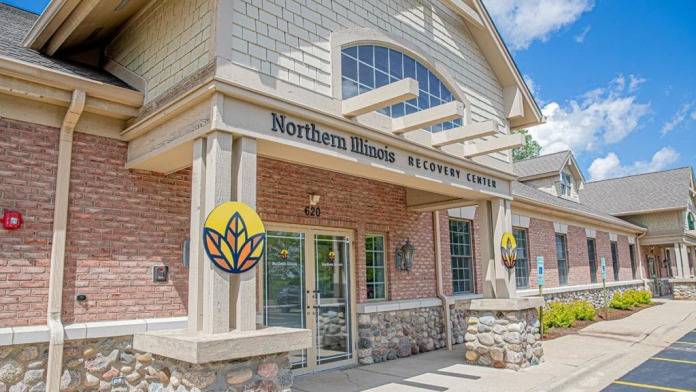
Northern Illinois Recovery Center
1
Top 10 Rehab Centers In Crystal Lake



















































































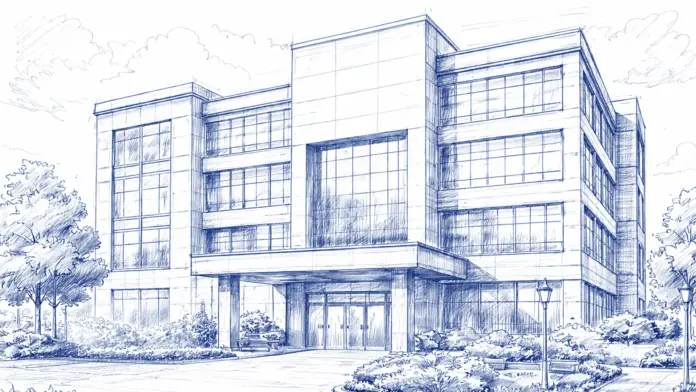
Nexus-Mille Lacs Family Healing is a residential mental health and behavioral treatment center in Onamia, Minnesota serving males ages 10 to 18 who need intensive customized support.
Care centers on short and long term residential treatment for youth who require structured around-the-clock support. As adolescents progress transition support and affiliated step-down services through the local New Trails Group Home help ease the move toward greater independence.
Programs for youth with behavioral issues treat substance use and emotional outbursts, unsuitable social interactions and self harm, social withdrawal, and suicide tendencies.
Clients can expect counseling alongside evidence-based methods such as CBT, DBT, and EMDR plus psychological and psychiatric assessments. The campus also offers a dedicated program for sexually problematic behaviors and support for youth with intellectual or developmental needs.

 Our Methodology


Private insurance refers to any kind of healthcare coverage that isn't from the state or federal government. This includes individual and family plans offered by an employer or purchased from the Insurance Marketplace. Every plan will have different requirements and out of pocket costs so be sure to get the full details before you start treatment.
Self-pay involves paying for treatment out of your own pocket. You can use savings or credit, get a personal loan, or receive help from family and friends to fund your treatment. If you don't have insurance or your insurance plan doesn't cover a specific program, self-pay can help ensure you still get the care you need.
Financial aid can take many forms. Centers may have grants or scholarships available to clients who meet eligibility requirements. Programs that receive SAMHSA grants may have financial aid available for those who need treatment as well. Grants and scholarships can help you pai for treatment without having to repay.
Medicare is a federal program that provides health insurance for those 65 and older. It also serves people under 65 with chronic and disabling health challenges. To use Medicare for addiction treatment you need to find a program that accepts Medicare and is in network with your plan. Out of pocket costs and preauthorization requirements vary, so always check with your provider.
Medicaid is a state based program that helps lower-income individuals and families pay for healthcare. Medicaid covers addiction treatment so those enrolled can use their coverage to pay for rehab. When a program accepts Medicaid the client often pays very little or nothing out of their own pocket.
Residential treatment programs are those that offer housing and meals in addition to substance abuse treatment. Rehab facilities that offer residential treatment allow patients to focus solely on recovery, in an environment totally separate from their lives. Some rehab centers specialize in short-term residential treatment (a few days to a week or two), while others solely provide treatment on a long-term basis (several weeks to months). Some offer both, and tailor treatment to the patient's individual requirements.
A drug intervention in Minnesota is a planned effort to persuade an individual to quit using drugs or to enter a treatment program. The intervention may be led by a specialist provided by rehab intervention services. This interventionist should have training in addiction treatment and experience in the mental health profession. Their expertise can prove invaluable in leading the intervention discussion and guiding the family in appropriate next steps.
When individuals first enter rehab, they may be malnourished due to substance use. They may also suffer from illness, organ damage, or other medical issues. 24-hour clinical care in Minnesota provides on-call staff who can monitor these conditions and provide appropriate treatment 24/7. This setting helps individuals who need substance use disorder treatment get the physical as well as psychological support they need.
Many of those suffering from addiction also suffer from mental or emotional illnesses like schizophrenia, bipolar disorder, depression, or anxiety disorders. Rehab and other substance abuse facilities treating those with a dual diagnosis or co-occurring disorder administer psychiatric treatment to address the person's mental health issue in addition to drug and alcohol rehabilitation.
Mental health rehabs focus on helping individuals recover from mental illnesses like bipolar disorder, clinical depression, anxiety disorders, schizophrenia, and more. Mental health professionals at these facilities are trained to understand and treat mental health issues, both in individual and group settings.
Alcoholism is a chronic, progressive condition involving the excessive and compulsive consumption of alcohol. This overconsumption leads to physical dependence and alcohol addiction. Alcohol rehab in Minnesota offers resources to help individuals recover from alcoholism and maintain a sober lifestyle. Treatment typically involves a three-step process that begins with supervised detox, followed by behavioral-based rehab, then continues with sobriety maintenance.
Drug addiction is defined as an inability to stop using drugs even though it causes negative consequences in your life. Drug rehab in Minnesota provides treatment for drug addiction in a variety of settings including inpatient treatment and outpatient treatment.
 Opioid Addiction
Substance abuse treatment programs in Minnesota are designed to support individuals to overcome addiction. These programs employ evidence-based therapies such as cognitive-behavioral therapy (CBT), dialectical behavior therapy (DBT), and eye movement desensitization and reprocessing (EMDR), together with individual and group therapy, and recovery meetings. With a variety of treatment options available, which typically include outpatient, inpatient, dual-diagnosis, and partial hospitalization, you'll be able to find a personalized treatment option that works for your individual needs.
Young adulthood can be an exciting, yet difficult, time of transition. Individuals in their late teens to mid-20s face unique stressors related to school, jobs, families, and social circles, which can lead to a rise in substance use. Rehab centers with dedicated young adult programs will include activities and amenities that cater to this age group, with an emphasis on specialized counseling, peer socialization, and ongoing aftercare.
Teen programs are designed to address the unique pressures teens face, pressures that can drive them to experiment with dangerous, addictive substances. They need programs that meet them exactly where they are and give them tools for long-term recovery. Therapy can help teenagers understand and work through underlying issues so they can reclaim the life ahead of them.
Cognitive Behavioral Therapy (CBT) is a therapy modality that focuses on the relationship between one's thoughts, feelings, and behaviors. It is used to establish and allow for healthy responses to thoughts and feelings (instead of unhealthy responses, like using drugs or alcohol). CBT has been proven effective for recovering addicts of all kinds, and is used to strengthen a patient's own self-awareness and ability to self-regulate. CBT allows individuals to monitor their own emotional state, become more adept at communicating with others, and manage stress without needing to engage in substance abuse.
Dialectical Behavior Therapy (DBT) is a modified form of Cognitive Behavioral Therapy (CBT), a treatment designed to help people understand and ultimately affect the relationship between their thoughts, feelings, and behaviors. DBT is often used for individuals who struggle with self-harm behaviors, such as self-mutilation (cutting) and suicidal thoughts, urges, or attempts. It has been proven clinically effective for those who struggle with out-of-control emotions and mental health illnesses like Borderline Personality Disorder.
Group therapy is any therapeutic work that happens in a group (not one-on-one). There are a number of different group therapy modalities, including support groups, experiential therapy, psycho-education, and more. Group therapy involves treatment as well as processing interaction between group members.
In individual therapy, a patient meets one-on-one with a trained psychologist or counselor. Therapy is a pivotal part of effective substance abuse treatment, as it often covers root causes of addiction, including challenges faced by the patient in their social, family, and work/school life.
Trauma therapy addresses traumatic incidents from a client's past that are likely affecting their present-day experience. Trauma is often one of the primary triggers and potential causes of addiction, and can stem from child sexual abuse, domestic violence, having a parent with a mental illness, losing one or both parents at a young age, teenage or adult sexual assault, or any number of other factors. The purpose of trauma therapy is to allow a patient to process trauma and move through and past it, with the help of trained and compassionate mental health professionals.
 Eye Movement Desensitization And Reprocessing
Families in Minnesota use family therapy to understand the roles they play in addiction. Each member plays a role and contributes to a pattern of behavior. Families learn to interact in healthier ways that support each other and contribute to their loved one's journey to recovery.
The expressive activities of experiential therapy allow you to reexperience past emotional situations safely. Your therapist can then help you reflect on the emotions that this triggered, work through past hurts, and learn how to deal with future emotional challenges.
 Residential Setting
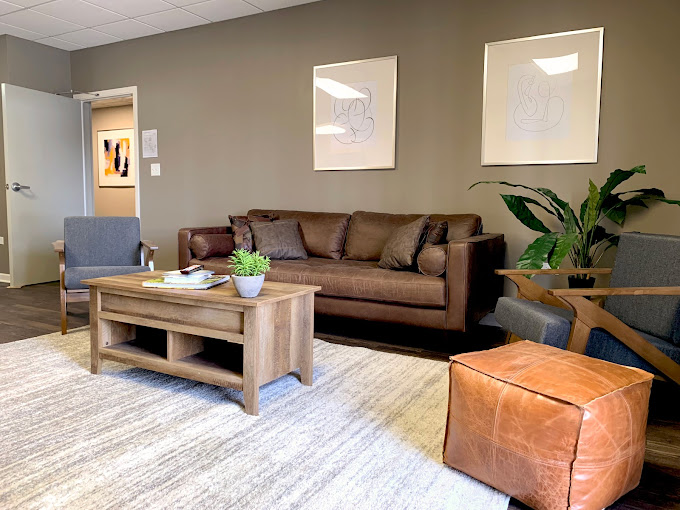
  Private Rooms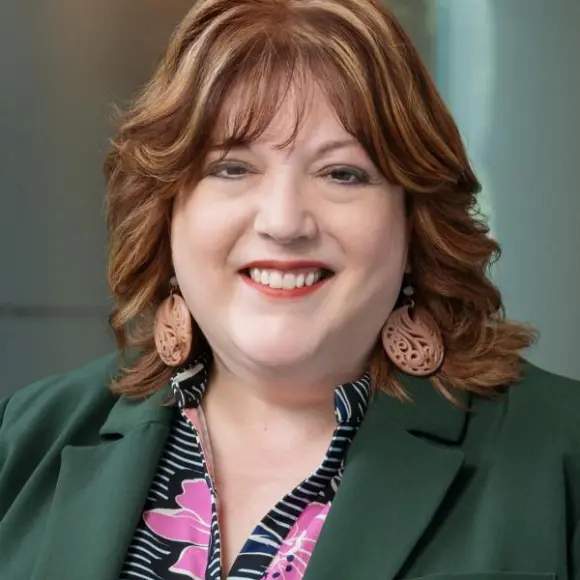
CEO & President
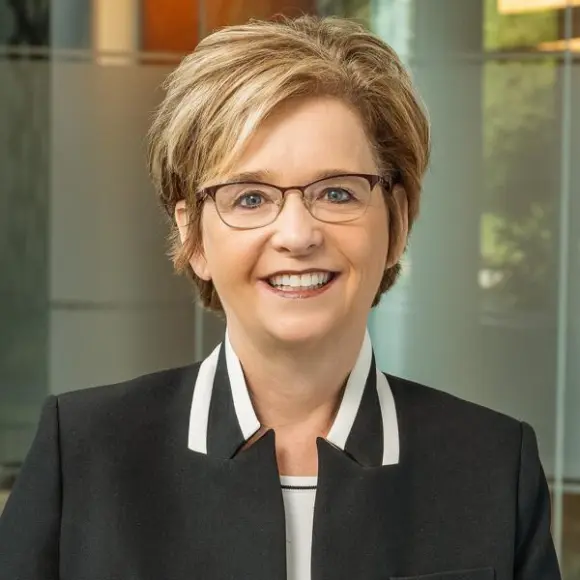
COO
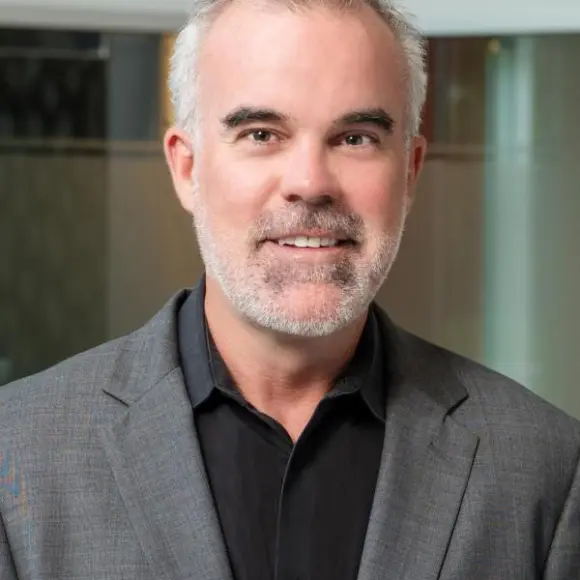
CFO
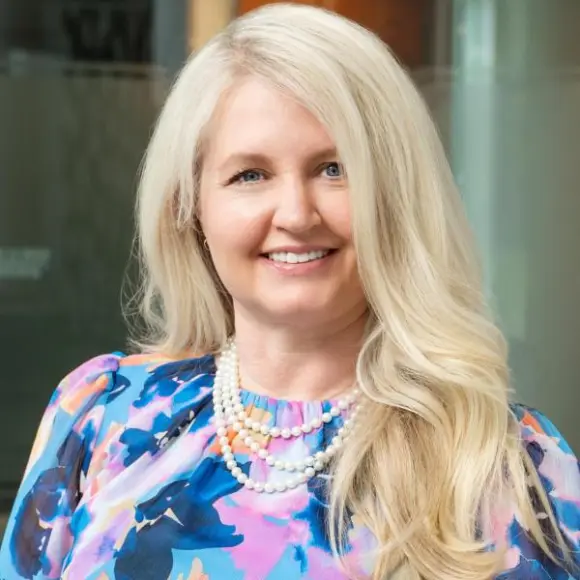
CHR

State Licenses are permits issued by government agencies that allow rehab organizations to conduct business legally within a certain geographical area. Typically, the kind of program a rehab facility offers, along with its physical location, determines which licenses are required to operate legally.
State License: Minnesota

The Commission on Accreditation of Rehabilitation Facilities (CARF) is a non-profit organization that specifically accredits rehab organizations. Founded in 1966, CARF's, mission is to help service providers like rehab facilities maintain high standards of care.
CARF Accreditation: Yes
Rehab.com regularly reviews this listing for accuracy but changes may occur between updates. For the most up-to-date information, please contact Nexus-Mille Lacs Family Healing.

407 130th Avenue South
Onamia, MN 56359
Sponsored Helpline
They helped me a lot with my recovery, staff is always giving the best of them they help us a lot.

I was actually a resident there back in 2013/2014 and I successfully discharged. I may receive hate for this but anyhow I absolutely love the facility. The life lessons that they teach is just unbelievable. I committed my crime and I did my time. But it could have been way worse. This facility saved my family and I from plenty of what life and the court system can throw at a individual that has serious mental health conditions. I just wanted to say I have been out of the system for 12 years and have been keeping good with the law. For those who think they can't trust me you can!

Ngl I was in this place 2014-2016 and I loved it here the staff really did care about me I don’t know how much all it changed but this place really did help me

Honestly when i first came here in 2021 i was scared but i found people and became friends with like ethan from the castle program we were friends but we always fought, joe we fought every time i couldn't keep my mouth shut, and the staff oh my god the stories i could share about them but it was always william, tyler (castle program) , ethan, and Gerrit (vocational rec) i want to reach out to them since I'm now 18 as of march 26. They just had the biggest impact while i was there it was great knowing them in the year i was there so many fun memories

Put my two weeks in & the only reason I did that is because I was mad nexus accused me of having feelings for a youth ! & because I showed this youth a poem I wrote they thought it was a poem about him ! & I didn’t stay my two weeks either because a different youth rubbed up against me in a sexual way & after that encounter I didn’t get to Go have a break for another 10 minutes , nexus needs to do better for their employees
 Back
Back
Sharing your insights and experiences can help others learn more about this rehab center.