





























































































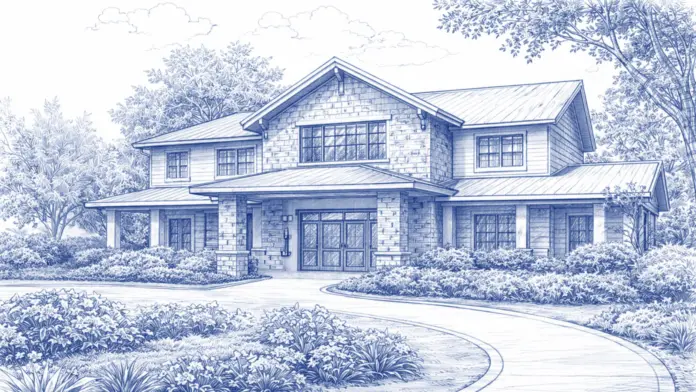
About Pacific Shores Recovery
The Pacific Shores residence boasts luxury amenities to help clients feel comfortable and more receptive to treatment. They also provide a family-focused program.
While participating in the residential program, clients reside at a shared home managed and supervised by staff. The residence serves to eliminate distractions so clients can focus on their recovery. Staff are present 24 hours a day to provide support and ensure client safety.
Care at Pacific Shores is personalized to each individual. Treatment methods include individual counseling, group counseling, experiential therapy (such as art and writing therapy), yoga, outdoor activities, and meditation. There are also opportunities for clients to receive help with anger management, emotional regulation, coping and life skills, legal issues, and relationship issues. The residential program offers 30, 60, 90, and 180 day options.
Before graduating from the program, clients develop an aftercare plan with their care team. Aftercare prepares clients for the future by connecting them with recovery services and referring them to other programs to help sustain recovery.
Pacific Shores accepts most PPO insurance plans, including United Behavioral Health, United Healthcare, Anthem, Aetna, and TRICARE. Clients are encouraged to confirm their coverage before enrolling, as in network and out of network benefits may vary.
Latest Reviews



Rehab Score
 Our Methodology


Gallery
Accepted Insurance
Other Forms of Payment
Self-pay involves paying for treatment out of your own pocket. You can use savings or credit, get a personal loan, or receive help from family and friends to fund your treatment. If you don't have insurance or your insurance plan doesn't cover a specific program, self-pay can help ensure you still get the care you need.
Private insurance refers to any kind of healthcare coverage that isn't from the state or federal government. This includes individual and family plans offered by an employer or purchased from the Insurance Marketplace. Every plan will have different requirements and out of pocket costs so be sure to get the full details before you start treatment.
Private insurance refers to any kind of healthcare coverage that isn't from the state or federal government. This includes individual and family plans offered by an employer or purchased from the Insurance Marketplace. Every plan will have different requirements and out of pocket costs so be sure to get the full details before you start treatment.
Military members, veterans, and eligible dependents have access to specific insurance programs that help them get the care they need. TRICARE and VA insurance can help you access low cost or no cost addiction and mental health treatment. Programs that accept military insurance often have targeted treatment focused on the unique challenges military members, veterans, and their families face.
Addiction Treatments
Levels of Care
Residential treatment programs are those that offer housing and meals in addition to substance abuse treatment. Rehab facilities that offer residential treatment allow patients to focus solely on recovery, in an environment totally separate from their lives. Some rehab centers specialize in short-term residential treatment (a few days to a week or two), while others solely provide treatment on a long-term basis (several weeks to months). Some offer both, and tailor treatment to the patient's individual requirements.
12-step programs are addiction recovery models based on Alcoholics Anonymous (AA). A number of substance abuse programs (including some drug and alcohol rehab centers) use the 12 steps as a basis for treatment. Beginning steps involve admitting powerlessness over the addiction and creating a spiritual basis for recovery. Middle steps including making direct amends to those who've been hurt by the addiction, and the final step is to assist others in addiction recovery in the same way. 12-Step offshoots including Narcotics Anonymous (NA), Cocaine Anonymous (CA), Dual Recovery Anonymous (DRA), Sex and Love Addicts Anonymous (SLAA) and Gamblers Anonymous (GA).
At certain points in the recovery process, it's important to have support available 24/7. 24-hour clinical care offers a safe environment in which to recover from drug or alcohol addiction in peace, knowing medical detox and other treatment will happen with professionals on hand.
Treatments
The goal of treatment for alcoholism is abstinence. Those with poor social support, poor motivation, or psychiatric disorders tend to relapse within a few years of treatment. For these people, success is measured by longer periods of abstinence, reduced use of alcohol, better health, and improved social functioning. Recovery and Maintenance are usually based on 12 step programs and AA meetings.
Drug rehab in California teaches participants constructive ways to stay clean and sober. Treatment revolves around helping individuals stop using the substance they are addicted to and learn healthy habits to avoid relapse.
Substance rehabs focus on helping individuals recover from substance abuse, including alcohol and drug addiction (both illegal and prescription drugs). They often include the opportunity to engage in both individual as well as group therapy.
Programs
Adult rehab programs include therapies tailored to each client's specific needs, goals, and recovery progress. They are tailored to the specific challenges adult clients may face, including family and work pressures and commitments. From inpatient and residential treatment to various levels of outpatient services, there are many options available. Some facilities also help adults work through co-occurring conditions, like anxiety, that can accompany addiction.
Young adulthood can be an exciting, yet difficult, time of transition. Individuals in their late teens to mid-20s face unique stressors related to school, jobs, families, and social circles, which can lead to a rise in substance use. Rehab centers with dedicated young adult programs will include activities and amenities that cater to this age group, with an emphasis on specialized counseling, peer socialization, and ongoing aftercare.
Clinical Services
Whether a marriage or other committed relationship, an intimate partnership is one of the most important aspects of a person's life. Drug and alcohol addiction affects both members of a couple in deep and meaningful ways, as does rehab and recovery. Couples therapy and other couples-focused treatment programs are significant parts of exploring triggers of addiction, as well as learning how to build healthy patterns to support ongoing sobriety.
Creativity is inherently healing, and can help those in recovery express thoughts or feelings they might not otherwise be able to. Creative arts therapy can include music, poetry/writing, painting, sculpting, dance, theater, sandplay, and more. Unlike traditional art, the final product matters far less than the experience of creation and expression itself.
Fitness therapy blends exercise with psychotherapy for a fun, inspiring, and effective way of treating addiction and other issues. By incorporating movement into counseling sessions, clients become more empowered, motivated, and goal-oriented, all while strengthening their bodies and becoming more flexible. Fitness Therapy is usually used to complement a course of treatment (inpatient or outpatient) to make it even more successful. Increasing the connection between a patient’s mind and body helps both with healing as well as in creating new, healthy habits.
Group therapy is any therapeutic work that happens in a group (not one-on-one). There are a number of different group therapy modalities, including support groups, experiential therapy, psycho-education, and more. Group therapy involves treatment as well as processing interaction between group members.
In individual therapy, a patient meets one-on-one with a trained psychologist or counselor. Therapy is a pivotal part of effective substance abuse treatment, as it often covers root causes of addiction, including challenges faced by the patient in their social, family, and work/school life.
Nutrition therapy, aka medical nutrition therapy (MNT), is a way of treating physical, emotional, and medical conditions through diet. Specific dietary plans are designed by professional nutritionists or registered dietitians, and patients follow them in order to positively affect their physical and mental health.
Recreational therapy (aka therapeutic recreation) uses creative and fun activities to help with addiction recovery. Recreational therapists lead patients in entertaining and engaging activities like sports or games; art (drawing, painting, sculpture); drama, music, and dance; and/or community outings (field trips) to improve patients' physical, social, and emotional well-being.
Amenities
-
 Private Setting
 -
 Yoga Studio
 -
 Private Rooms
 -
 Hiking
Staff & Accreditations
Staff
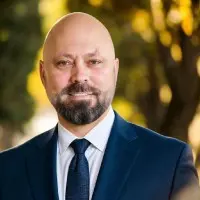
Mark Manderson
CEO
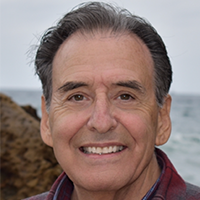
Brad Kingma
Clinical Supervisor
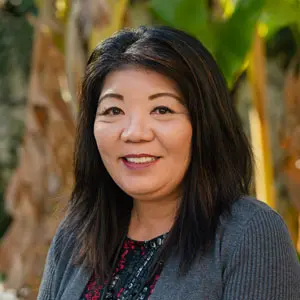
Shelley Dyvig
Admissions Director
Accreditations

LegitScript has reviewed Pacific Shores Recovery as part of their certification program, and has determined that it meets the LegitScript standards for legality, safety and transparency.
LegitScript verified in November 2019
Rehab.com regularly reviews this listing for accuracy but changes may occur between updates. For the most up-to-date information, please contact Pacific Shores Recovery.
Contact Information


206 Cabrillo St
Costa Mesa, CA 92627
Sponsored Helpline

