Hawaii Island Recovery
1
Top 10 Rehab Centers In Kailua Kona



















































































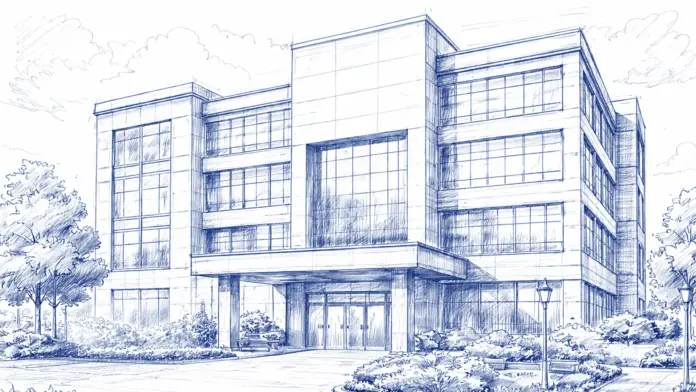
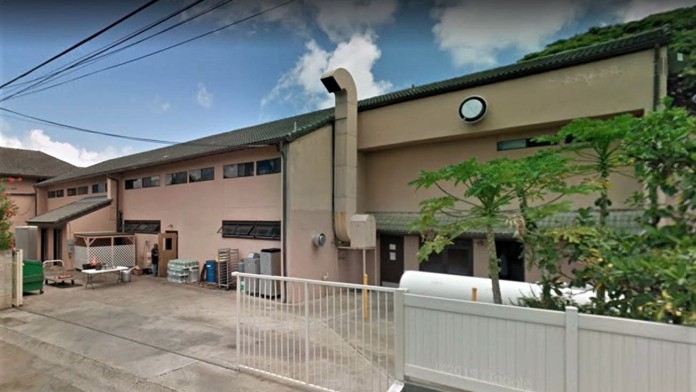
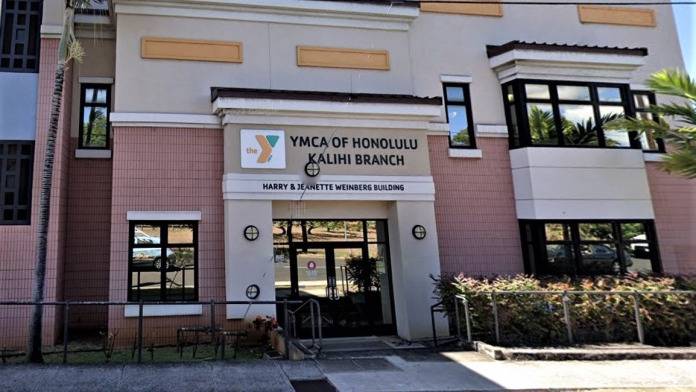
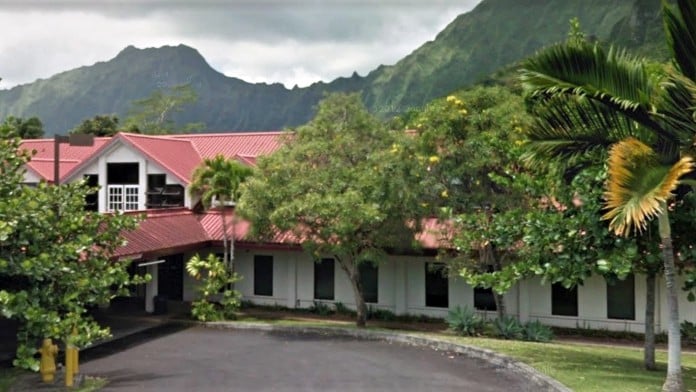
Psychiatric Associates is an outpatient addiction treatment center in Aiea, Hawaii offering substance use and mental health services for adults seeking recovery.
The clinic provides both in-person and telehealth visits, making care accessible across Oʻahu and beyond.
With a harm reduction, evidence based approach, Psychiatric Associates welcomes clients at any stage of change from active use to long term recovery.
Clients can begin with an office based detox evaluation, where withdrawal is managed in an outpatient setting with regular provider follow up, offering an alternative to inpatient or hospital admission.
The clinic specializes in Medication Assisted Treatment for opioid, alcohol and other substance use disorders, pairing medications such as Sublocade, Vivitrol and buprenorphine with counseling and behavioral therapies.
Psychiatric Associates treats cooccurring disorders, addressing both addiction and mental health challenges in a single clinic setting.
Using evidence based interventions and personalized treatment planning, the team supports adults struggling with alcohol, cannabis, opioids, methamphetamine, cocaine, nicotine and prescription drugs and offers relapse prevention and harm reduction support for those on any point of the recovery spectrum.


 Our Methodology


Sliding scale payments are based on a client's income and family size. The goal is to make treatment affordable to everyone. By taking these factors into account, addiction recovery care providers help ensure that your treatment does not become a financial burden to you or your family, eliminating one barrier to care.
Clients receiving treatment in an outpatient rehab typically require less intensive support and supervision than do persons in inpatient care. Many have already completed inpatient programs and are weeks or months along in their recovery journey. Outpatient treatment generally involves the continuation of treatments begun in inpatient care, including addiction counseling and life skills development. Some outpatient programs also offer medication assisted treatment (MAT) for clients in opioid and/or alcohol recovery.
Telehealth in Hawaii is the use of communications technologies to deliver healthcare services from a distance. This may include primary medical care, mental health services, and substance use disorder treatment. Consult with your health care provider to determine if this option is suitable for your needs.
Alcohol use disorder (AUD), also called alcoholism, can be mild, moderate, or severe. Symptoms include being unable to limit alcohol consumption and feeling strong cravings to drink alcohol. Individuals with AUD may have tried to quit drinking but were unsuccessful. Typically, professional rehab in Hawaii is necessary to help individuals overcome alcohol addiction. This treatment provides the necessary evidence-based therapies, medication, and support for long-term recovery.
 Opioid Addiction
Drug rehab in Hawaii is for individuals suffering from substance use disorders. Treatment addresses the many issues involved with addiction, typically through a combination of medical and psychotherapy treatments.
In Hawaii, substance abuse treatment programs address addiction and co-occurring mental health conditions. Care levels include outpatient, inpatient, and partial hospitalization. Therapies like cognitive behavioral therapy, or dialectical behavioral therapy, equine therapy, mindfulness-based therapy, skills training, and recovery groups can help you to establish a solid recovery and develop a support system (or strengthen an existing one) to increase your chances of long-term recovery success.
During inpatient drug rehab treatment, mental health services play a central role in your plan of care. During your stay at the center, you are constantly monitored and supported by clinical staff and mental health professionals. Standard mental health therapies and treatments include group and individual counseling, cognitive behavioral therapy (CBT), dialectical behavioral therapy (DBT), and many others. Extra amenities, like recreational therapies, vary by facility.
In Hawaii, dual-diagnosis addiction treatment programs recognize the importance of treating substance use disorders and mental health conditions simultaneously. They offer various levels of care, depending on your needs. Treatment settings include detox, outpatient, residential rehab, and partial hospitalization options. Using a combination of evidence-based and holistic therapies, like cognitive behavioral therapy, or dialectical behavioral therapy, adventure therapy, and acupuncture, clinicians address substance use disorders and co-occurring disorders.
Adult rehab programs include therapies tailored to each client's specific needs, goals, and recovery progress. They are tailored to the specific challenges adult clients may face, including family and work pressures and commitments. From inpatient and residential treatment to various levels of outpatient services, there are many options available. Some facilities also help adults work through co-occurring conditions, like anxiety, that can accompany addiction.
During cognitive behavioral therapy in Hawaii, patients learn about their mental and behavioral health conditions and then learn techniques to help them change their patterns of thinking and behavior. Tools such as stress management, coping, and assertiveness are used to break free from patterns of substance abuse.
Motivational interviewing is simply a conversation about change. The therapist seeks to encourage the client's personal motivation to change and collaborate with them to make a commitment to change. This technique is often used in drug rehab therapy in Hawaii.
Rehab.com regularly reviews this listing for accuracy but changes may occur between updates. For the most up-to-date information, please contact Psychiatric Associates.

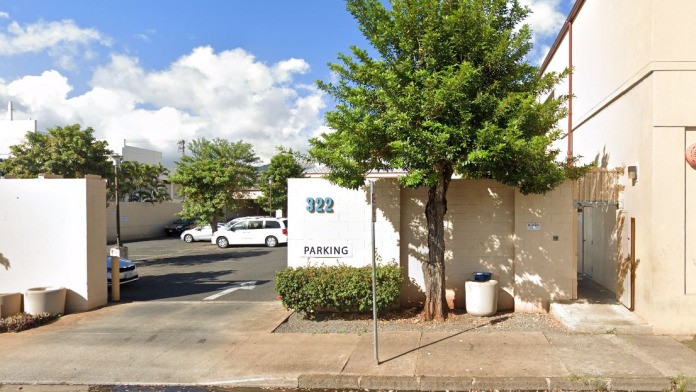
98-1247 Kaʻahumanu St STE 116, Aiea, HI 96701
Sponsored Helpline

From what I know about them thus far, Dr. Campbell has been very nice and super helpful to me when I really needed help with my refills bc I had just moved to Hawaii. Her and her office were the only office that actually told me that they could help me and would help me. And she definitely did! Other places either just couldn’t help me or they said they could but they were scheduling clear out to the end of August.

JP has definitely helped a lot and genuinely cares and has a lot of knowledge

The team here was such an instrumental part of my recovery. From genuinely caring, to their expertise on withdrawals, side effects, and medication management, I’m not sure if I could’ve done it without them. I will never forget these amazing people that I feel blessed to have found! Mahalo JP

I was actually Jp's patient years ago at another practice. As he ventured out with his services- I tracked him down! JP has not only medical knowledge of addiction behavior but depression and recovery. He has stayed with my journey for years following my trauma. The team has been hand-picked to ensure comfort no matter the reason for calling. I HIGHLY recommend for any reason. You do not have to be a "drug addict" or "crazy" to be a patient. This team has helped me find a neurologist for migraines along with other specialty professionals. Call them for anything. If they can't help you, they know who can.
 Back
Back
Sharing your insights and experiences can help others learn more about this rehab center.