





























































































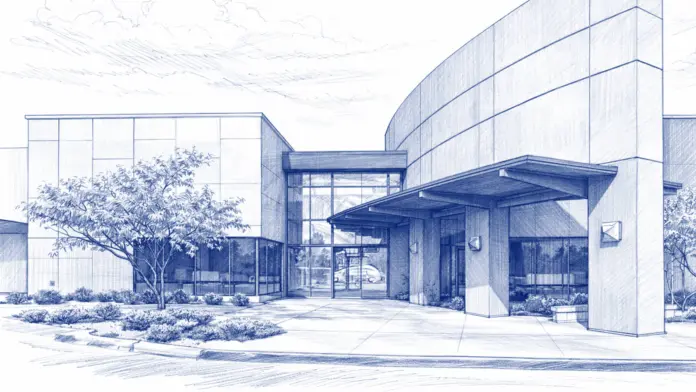
About Rago & Associates
Rago & Associates is an outpatient behavioral health and addiction treatment provider in New Lenox, Illinois offering individualized counseling for adults, teens and children, couples and families.
The practice provides outpatient care, intensive outpatient programming and virtual therapy, with specialties in eating disorders, mental health concerns and addiction.
Clients often describe the team as compassionate and professional, with one testimonial calling them “a lifesaver” through stress, grief and other challenges.
What kinds of programs are offered?
The New Lenox office provides outpatient therapy, intensive outpatient programming and virtual care.
Services include therapy, nutrition therapy and art therapy, equine assisted psychotherapy and EMDR, Holographic Memory Resolution and somatic experiencing.
The IOP model is highly individualized rather than group heavy, offering a personalized alternative to traditional intensive programs.
Who can get help here?
Rago & Associates serves adults, teens and children, couples and families.
The practice addresses a wide range of concerns, including eating disorders, anxiety and depression, trauma and OCD, ADD/ADHD and addiction, with particular expertise in eating disorder treatment and nutrition counseling.
Where is the office located?
The New Lenox office is at 210 W Maple St, located along Route 6 and is one of several Chicagoland locations.
It is an office based outpatient setting, with virtual therapy also available.
Do they take insurance?
Rago & Associates accepts private insurance and self pay.
Listed insurers include Blue Cross Blue Shield, Aetna and UnitedHealth Group, Humana and Cigna, though clients should verify their exact coverage.
Latest Reviews



Rehab Score
 Our Methodology


Location
Accepted Insurance
Other Forms of Payment
Private insurance refers to any kind of healthcare coverage that isn't from the state or federal government. This includes individual and family plans offered by an employer or purchased from the Insurance Marketplace. Every plan will have different requirements and out of pocket costs so be sure to get the full details before you start treatment.
Self-pay involves paying for treatment out of your own pocket. You can use savings or credit, get a personal loan, or receive help from family and friends to fund your treatment. If you don't have insurance or your insurance plan doesn't cover a specific program, self-pay can help ensure you still get the care you need.
Addiction Treatments
Levels of Care
Clients in outpatient rehab receive a variety of services based on their unique and evolving needs. Typical outpatient treatment modalities include individual, group, and family counseling, recovery-focused life skills training, and community reintegration support. Many programs also provide medication assisted treatment (MAT) for clients recovering from alcohol and/or opioid dependency. Clients exiting inpatient treatment or those who are at an elevated risk of relapse may engage in more robust treatment, such as intensive outpatient (IOP) programming.
Intensive outpatient programs (IOP) enable clients to receive high-level care while living at home. Clients may choose to enter IOP instead of enrolling in inpatient care post-detox or they may transition from an inpatient rehab into IOP. Intensive outpatient treatment involves multiple therapeutic sessions per week and includes a combination of psychotherapy and addiction and recovery education. Many programs also offer medication assisted treatment (MAT) and/or holistic therapies, such as acupuncture and massage.
When participating in an inpatient rehab program, you'll reside at the treatment center for the duration of the program. Your housing and meals are provided, allowing you to focus on your recovery without outside triggers, stressors, and other distractions. You'll receive daily addiction counseling, drawing on various psychotherapeutic approaches like cognitive behavioral therapy (CBT) and motivational interviewing. Many inpatient drug rehabs also offer complementary holistic therapies, such as yoga, meditation, or animal therapy, and creative arts therapy.
As a flexible option, a partial hospitalization program (PHP) is tailored for those who don't require 24-hour care. PHP treatment can include daily therapeutic sessions and services such as relapse prevention and medication management. Based on your needs, PHP treatment duration can average 90 days and require a minimum of 20 hours of commitment weekly. While a partial hospitalization program typically requires a commute, telehealth may be available. PHP treatment costs can vary but are often covered by most insurance.
Treatments
 Mental Health And Substance Abuse
Programs
Adult rehab programs include therapies tailored to each client's specific needs, goals, and recovery progress. They are tailored to the specific challenges adult clients may face, including family and work pressures and commitments. From inpatient and residential treatment to various levels of outpatient services, there are many options available. Some facilities also help adults work through co-occurring conditions, like anxiety, that can accompany addiction.
Clinical Services
During one on one therapy sessions for drug and alcohol addiction, you and your therapist work collaboratively to develop effective relapse prevention plans and improve your self awareness. This helps address your specific needs, including the effectiveness of several evidence based treatment modalities that may work best for you.
During couples therapy in Illinois, you may work on a variety of relationship challenges. Couples therapy can address topics such as finances, children, health, addiction, intimacy, external stressors, and family relationships. You'll develop tools to address these types of challenges in healthy ways.
Family therapy helps to rebuild trust and strengthen relationships that have been affected by addiction. Therapists use guided interventions to help families improve their interactions and address underlying issues that impact their relationships. This helps create a supportive atmosphere for the recovery process.
If you engage in cognitive behavioral therapy in Illinois, your therapist will work with you to change your thinking patterns. You'll learn how to recognize faulty thinking and develop skills to deal with stress without using substances.
Dialectical behavior therapy in Illinois typically involves keeping a diary to track actions and emotions. Your therapist will use this diary to determine what to focus on during each session. In addition to individual sessions, you'll also attend group meetings where you are trained in coping skills.
Rehab.com regularly reviews this listing for accuracy but changes may occur between updates. For the most up-to-date information, please contact Rago & Associates.
Contact Information


210 W Maple St, New Lenox, IL 60451
Sponsored Helpline


