






























































































My experience is just starting so this is a preview. When you know what you know and are ready and have changed the head is just as important as the tail. Amazing place. Bad pictures and ugly reviews come from the inside because you failed yourself. 🤷🫰🤯
About Rayville Recovery
Their residential care starts with assessment and individualized treatment planning. This is followed by medically monitored detox and inpatient rehabilitation. These take place in their highly structured, supportive and therapeutic environment. If you prefer you can detox without inpatient rehabilitation. The facility offers no cost detox. For comprehensive care and lasting recovery it’s essential to follow detox with residential therapy. Detox only removes addiction related toxins from your body. Further treatment is needed to address the root causes of addiction.
Their detox involves stabilization and 24/7 monitoring by their experienced staff. These experts may administer medicine to ease withdrawal symptoms. This ensures your detox is safe and comfortable. Detox may take about three to 10 days depending on your unique condition. This is immediately followed by their inpatient rehab. This 12 Step based program involves intensive therapy sessions. This is focused on addressing the underlying causes of your addiction and building coping skills. You’ll participate in various groups, individual sessions and holistic therapy. Addiction education classes are also held to help you better understand the disease of addiction.
The facility even offers medication assisted treatment. This technique uses FDA approved medicines alongside counseling to support opioid and alcohol recovery. Their services also include psychiatric evaluation and medication management by mental health experts. This supports individuals with dual diagnosis disorders.
Their personalized discharge plans include connection to sober living, intensive outpatient care or primary care services. They encourage clients to commit to at least six months of sober living, get plugged into 12 Step meetings with a sponsor and work the steps.
Latest Reviews
I graduated the program a few weeks back . First off I would like to say ,Rayville Recovery Saved my life . Without rayville I'm not sure if I would be here today , 2 be honest . If you tried to get off drugs , alcohol, and or struggling with an addiction and realize that you are powerless over the substance . Then you are at the right place. . I was at rock bottom but by the grace of God my higher power I ended up at rayville recovery and during my 31 day stay I learned how to overcome my addiction by taking the tools they offer from AA , counseling and the big book study and applying them to my everyday life and I can say Today I am still clean and sober and looking forward to a new life as I give back to the ones who are still addicted today ......#SoberIsTheNewKewl. #HopeDealer318......God took a mess and he made a MESSAGE...... Amen
No opinions just facts🫰
Reviewed on 01/21/2026
My experience is just starting so this is a preview. When you know what you know and are ready and have changed the head is just as important as the tail. Amazing place. Bad pictures and ugly reviews come from the inside because you failed yourself. 🤷🫰🤯
Ms. Michelle was/is a natural leader and mediator. Darren, " black counselor", and Mr. Fletcher remained level headed and firm with staff and clients. Mr. Marvin is very considerate and calming on your way to and from rayville. Oan: hope I never need to return (unless it's to take Darren's job😅😁😀) oh, and Ms. Karon is one of the most leveled headed, straight forward, counselors there. I enjoyed her group (even with the coffee restrictions she abides by😌😉)
Response from the owner1 week ago
We are so grateful you enjoyed your stay!!! It is our prayer that this is the beginning of a bright and successful for you!! Best of luck in the future and remember to work the Steps. 
Rehab Score
 Our Methodology
Scoring is assigned by a proprietary system which helps surface key metrics that determine quality. The 10-point scale factors in categories such as operations, customer satisfaction, and trust metrics. Read Full Methodology

6.8 / 10
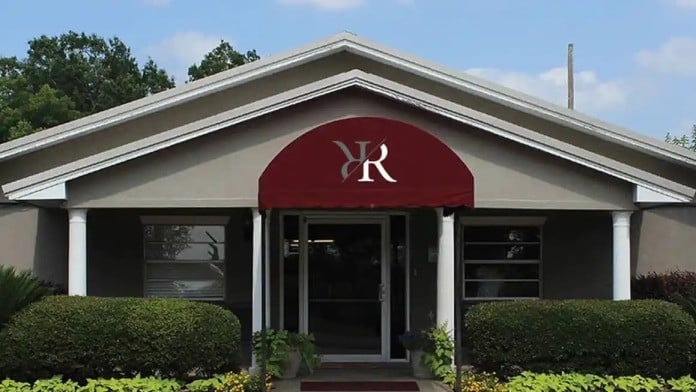
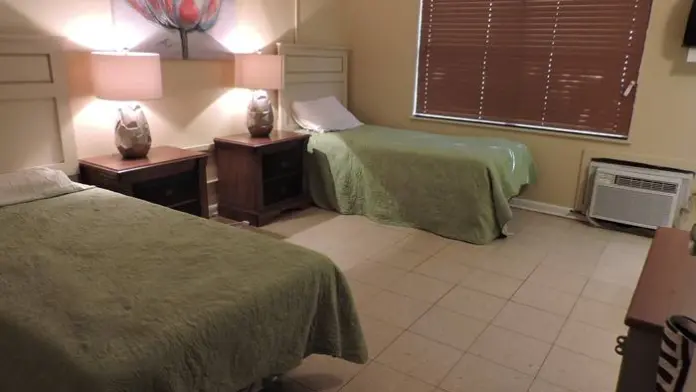
Gallery
Other Forms of Payment
Private insurance refers to any kind of healthcare coverage that isn't from the state or federal government. This includes individual and family plans offered by an employer or purchased from the Insurance Marketplace. Every plan will have different requirements and out of pocket costs so be sure to get the full details before you start treatment.
Self-pay involves paying for treatment out of your own pocket. You can use savings or credit, get a personal loan, or receive help from family and friends to fund your treatment. If you don't have insurance or your insurance plan doesn't cover a specific program, self-pay can help ensure you still get the care you need.
Military members, veterans, and eligible dependents have access to specific insurance programs that help them get the care they need. TRICARE and VA insurance can help you access low cost or no cost addiction and mental health treatment. Programs that accept military insurance often have targeted treatment focused on the unique challenges military members, veterans, and their families face.
Medicaid is a state based program that helps lower-income individuals and families pay for healthcare. Medicaid covers addiction treatment so those enrolled can use their coverage to pay for rehab. When a program accepts Medicaid the client often pays very little or nothing out of their own pocket.
Addiction Treatments
Levels of Care
Clients enrolled in outpatient rehab typically need less intensive supervision and support than those in inpatient care. Clients may continue to work and attend school while participating in addiction counseling and recovery education during the evening, night, or weekend. Clients also often enter intensive outpatient (IOP) treatment immediately upon exiting residential care, which provides them with high-level step-down support as they reintegrate into their homes and communities.
Residential treatment programs are those that offer housing and meals in addition to substance abuse treatment. Rehab facilities that offer residential treatment allow patients to focus solely on recovery, in an environment totally separate from their lives. Some rehab centers specialize in short-term residential treatment (a few days to a week or two), while others solely provide treatment on a long-term basis (several weeks to months). Some offer both, and tailor treatment to the patient's individual requirements.
Clients engaged in an intensive outpatient program (IOP) participate in multiple treatment sessions weekly. Typical treatment modalities include individual, group, and family counseling, addiction and recovery education, medication assisted treatment (MAT), and evidence-based holistic therapies. Most intensive outpatient rehabs require clients to engage in a minimum of nine and a maximum of 20 treatment hours per week. Many clients enter IOP after stepping down from intensive inpatient care, but some may enroll immediately after completing detox.
Clients enrolled in rehab aftercare programs have completed high-level treatment and are typically in the maintenance phase of their recovery, receiving customized services designed to support their sustained sobriety. Case managers and care teams typically begin to plan for the client's rehab aftercare services early in the treatment process to ensure the client's fluid reentry into their home, workplace, and community. These programs evolve as clients' needs change, and frequently include peer coaching, relapse prevention, and career counseling.
12-step programs are addiction recovery models based on Alcoholics Anonymous (AA). A number of substance abuse programs (including some drug and alcohol rehab centers) use the 12 steps as a basis for treatment. Beginning steps involve admitting powerlessness over the addiction and creating a spiritual basis for recovery. Middle steps including making direct amends to those who've been hurt by the addiction, and the final step is to assist others in addiction recovery in the same way. 12-Step offshoots including Narcotics Anonymous (NA), Cocaine Anonymous (CA), Dual Recovery Anonymous (DRA), Sex and Love Addicts Anonymous (SLAA) and Gamblers Anonymous (GA).
Initial phases of rehab treatment often require 24-hour clinical care in Louisiana. This supervised treatment offers three main benefits. Medical staff can provide medications to treat withdrawal. Clients can also benefit from having 24-hour nursing staff available to treat any other physical symptoms. Lastly, this setting ensures that professionals are constantly available to address any emotional or mental health issues related to the addiction or co-occurring disorders.
Drug and alcohol addiction often takes a heavy toll on one’s body. Over time, a physical dependence can develop, meaning the body physiologically needs the substance to function. Detox is the process of removing drugs and/or alcohol from the body, a process that can be lethal if mismanaged. Medical detox is done by licensed medical professionals who monitor vital signs and keep you safe, healthy, and as comfortable as possible as you go through detox and withdrawal. The mental and physical symptoms of withdrawal can be overwhelming but the process does not have to be. The Detox Program available at Rayville Recovery is medically-supported. Their certified staff can make the process more comfortable while also keeping you safe. Rayville Recovery does not offer drug replacement therapy such as Suxbone, Subutex or Methadone.
Treatments
The goal of treatment for alcoholism is abstinence. Those with poor social support, poor motivation, or psychiatric disorders tend to relapse within a few years of treatment. For these people, success is measured by longer periods of abstinence, reduced use of alcohol, better health, and improved social functioning. Recovery and Maintenance are usually based on 12 step programs and AA meetings.
While each drug rehab in Louisiana offers unique elements, recovery support often follows a similar pattern. Detox is followed by inpatient and/or outpatient care, then aftercare support is provided once the participant completes the initial program.
Many of those suffering from addiction also suffer from mental or emotional illnesses like schizophrenia, bipolar disorder, depression, or anxiety disorders. Rehab and other substance abuse facilities treating those with a dual diagnosis or co-occurring disorder administer psychiatric treatment to address the person's mental health issue in addition to drug and alcohol rehabilitation.
Substance rehabs focus on helping individuals recover from substance abuse, including alcohol and drug addiction (both illegal and prescription drugs). They often include the opportunity to engage in both individual as well as group therapy.
Programs
Adult rehab programs include therapies tailored to each client's specific needs, goals, and recovery progress. They are tailored to the specific challenges adult clients may face, including family and work pressures and commitments. From inpatient and residential treatment to various levels of outpatient services, there are many options available. Some facilities also help adults work through co-occurring conditions, like anxiety, that can accompany addiction.
Young adulthood can be an exciting, yet difficult, time of transition. Individuals in their late teens to mid-20s face unique stressors related to school, jobs, families, and social circles, which can lead to a rise in substance use. Rehab centers with dedicated young adult programs will include activities and amenities that cater to this age group, with an emphasis on specialized counseling, peer socialization, and ongoing aftercare.
Serving in the military is both mentally and physically challenging, and can result in trauma that persists even after combat ends. Military programs are tailored to the specific and often complex needs of active duty personnel, veterans, and military families. Clients often access these programs through the U.S. Department of Veterans Affairs (VA).
Clinical Services
If you undergo cognitive behavioral therapy in Louisiana, you may engage in role playing, face your fears, and learn to calm your mind and body. These techniques are designed to help you recognize unhealthy patterns of thinking and to learn healthy ways of coping with challenges.
Group therapy continues to be an effective strategy for people to address emotional issues that are associated with their addiction. Group therapy is also an opportunity for individuals to learn new coping mechanisms from people who have been experienced similar situations. Patients are separated into gender-specific groups which helps to support more comfortable therapy sessions.
Drug and alcohol addiction often coexist with psychological issues. Some of these issues need may need to be addressed through individual therapy sessions. Depending on the situation, one-on-one sessions will provide complete privacy and discretion that allows an individual to achieve personal growth that may not occur in the a group setting.
If you are struggling with motivation to change, motivational interviewing is designed to help. This method typically involves one or two sessions with a therapist. The technique helps you understand your motivations and empowers you to make changes to reach your goals.
Couples therapy focuses on helping the couple develop skills that will improve the relationship. These include communication, conflict resolution, and anger management. Couples also identify dysfunctional behaviors and work to eliminate them.
Research clearly demonstrates that recovery is far more successful and sustainable when loved ones like family members participate in rehab and substance abuse treatment. Genetic factors may be at play when it comes to drug and alcohol addiction, as well as mental health issues. Family dynamics often play a critical role in addiction triggers, and if properly educated, family members can be a strong source of support when it comes to rehabilitation.
Amenities
-
 Private Transportation
 -
 Residential Setting
Staff & Accreditations
Staff
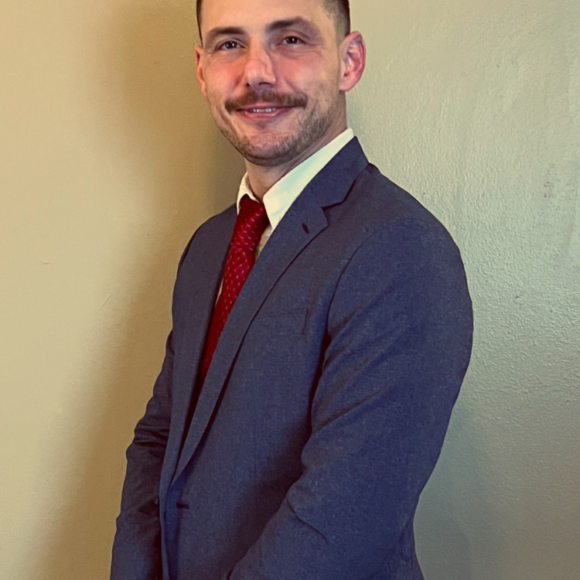
Ryan E. Felder, RAC, CCS
Administrator
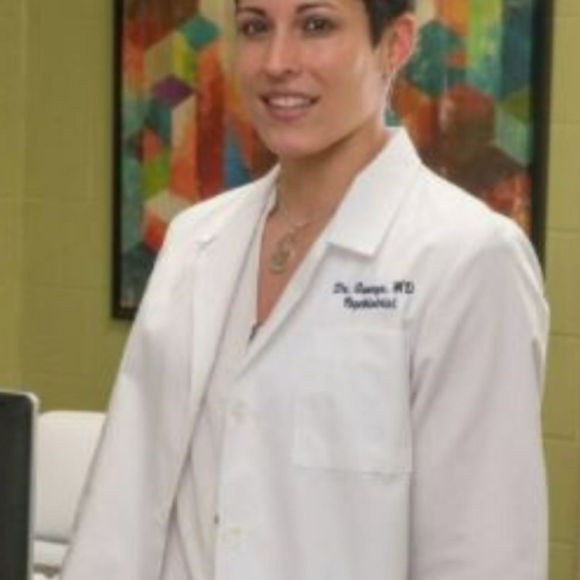
Karen George
Medical Director
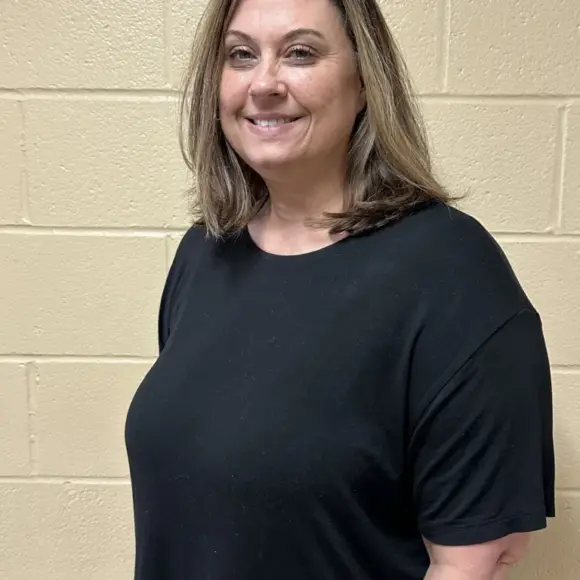
Christine Adams, LPC-S
Clinical Director
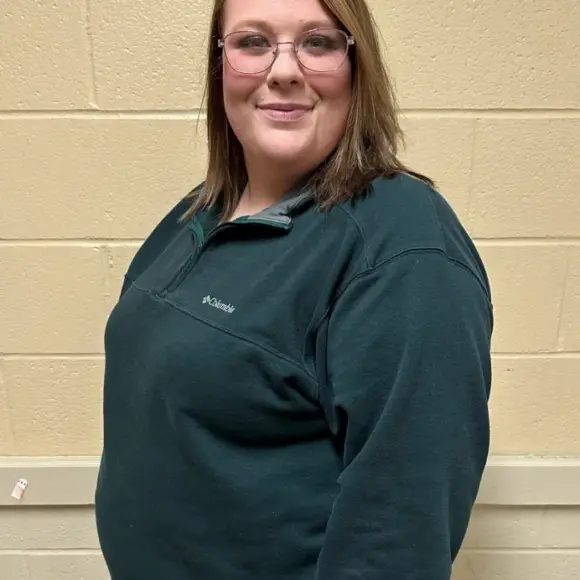
Lisa Sullivan
Director of Human Resources
Accreditations

The Commission on Accreditation of Rehabilitation Facilities (CARF) is a non-profit organization that specifically accredits rehab organizations. Founded in 1966, CARF's, mission is to help service providers like rehab facilities maintain high standards of care.
CARF Accreditation: Yes
Rehab.com regularly reviews this listing for accuracy but changes may occur between updates. For the most up-to-date information, please contact Rayville Recovery.
Contact Information

307 Hayes Street
Rayville, LA 71269
Get Help Now - 318-299-5969
Sponsored Helpline
Sponsored Helpline



