





























































































About Recover Now
Recover Now is a mental health and drug treatment organization headquartered in Birmingham, Alabama. They have treatment centers across the Southeast. Clients can obtain the referrals they need by contacting the Birmingham headquarters.
Depending on the location, the organization offers residential and outpatient treatment programs, as well as medication assisted treatment (MAT). Additionally, most of their locations offer virtual treatment options for therapy sessions and assessments, increasing accessibility.
The organization accepts insurance from many providers, and they have some self pay options available. The headquarters are near Railroad Park in downtown Birmingham.
Taking a Nonjudgmental Addiction Treatment Approach
The organization’s clinicians emphasize a nonjudgmental and compassionate recovery approach. They highlight the development of individual treatment plans that serve each client’s unique needs. Many clients have appreciated the personalized care and compassionate staff.
Modern and Professional Treatment Environments
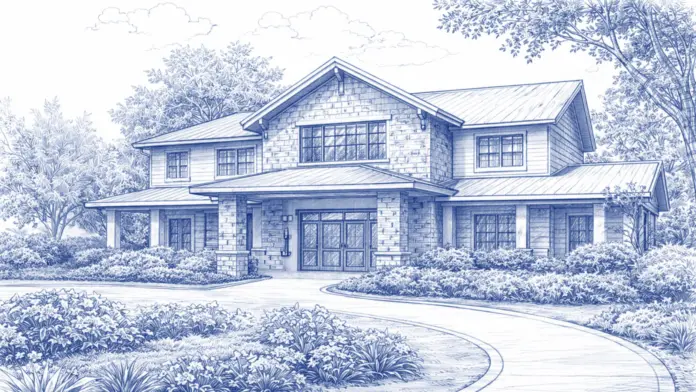
The organization’s facilities are modern and professional. Most are centrally located to be accessible. Clients have mentioned that the organization’s treatment staff are accommodating and accessible, especially for those working to balance family, work, school and other commitments.
Facility Overview
 61 - 90
 Latest Reviews



Rehab Score
 Our Methodology


Location
Accepted Insurance
Other Forms of Payment
Private insurance refers to any kind of healthcare coverage that isn't from the state or federal government. This includes individual and family plans offered by an employer or purchased from the Insurance Marketplace. Every plan will have different requirements and out of pocket costs so be sure to get the full details before you start treatment.
Self-pay involves paying for treatment out of your own pocket. You can use savings or credit, get a personal loan, or receive help from family and friends to fund your treatment. If you don't have insurance or your insurance plan doesn't cover a specific program, self-pay can help ensure you still get the care you need.
Medicaid is a state based program that helps lower-income individuals and families pay for healthcare. Medicaid covers addiction treatment so those enrolled can use their coverage to pay for rehab. When a program accepts Medicaid the client often pays very little or nothing out of their own pocket.
Medicare is a federal program that provides health insurance for those 65 and older. It also serves people under 65 with chronic and disabling health challenges. To use Medicare for addiction treatment you need to find a program that accepts Medicare and is in network with your plan. Out of pocket costs and preauthorization requirements vary, so always check with your provider.
Addiction Treatments
Levels of Care
Medically assisted detox is often the first step of addiction treatment. At the medical detox level of care, you are weaning your body off drugs and/or alcohol under the care of licensed medical professionals who constantly monitor your health and treat any potential withdrawal symptoms, sometimes with the aid of medication (like Suboxone or Vivitrol).
Inpatient rehab is designed primarily for clients exiting detox, people in early recovery, and those at an elevated risk of relapse. Participants reside at the rehab facility until they complete their treatment program. This allows them to focus solely on their recovery, away from outside distractions, stressors, and addiction triggers. Inpatient drug rehab typically involves extensive addiction counseling, recovery-focused life skills training, and complementary therapies.
A partial hospitalization program (PHP) provides comprehensive treatment to those who do not require 24/7 monitoring and offers a higher level of care than outpatient programs. Often referred to as "day treatment" patients typically attend sessions a minimum of 20 hours weekly, allowing clients to return home each day. PHP treatment is often covered by insurance and can provide daily therapeutic sessions and services such as relapse prevention and medication management.
Intensive outpatient programs (IOP) are designed for clients in early recovery and those at an elevated risk of relapse. Clients in IOP attend outpatient therapy sessions for a minimum of nine hours per week but clients may receive as many as 20 hours of IOP treatment weekly. Sessions generally occur in 3-5 hour blocks, in which time clients engage in some combination of medication assisted treatment (MAT), psychotherapy, recovery skills training, or complementary care.
Outpatient rehab is designed primarily for clients who do not require intensive clinical supervision. This includes clients who are exiting detox or inpatient care. Outpatient treatment typically involves addiction counseling, recovery education, and life skills training. These programs encompass varying levels of care, including partial hospitalization (PHP), intensive outpatient (IOP), standard outpatient (OP), and sober living/halfway house programs. Each category is defined by the frequency and intensity of treatment.
Treatments
Alcoholism, also called alcohol use disorder (AUD), is defined as an impaired ability to stop or control drinking alcohol despite negative consequences. Whether the condition is mild, moderate, or severe, effective treatment is available through alcohol rehab in Alabama. Evidence-based therapies, mutual-support groups, and medications have all proven effective treatments alcohol addiction.
Drug rehab in Alabama provides medical or psychotherapeutic treatment for drug dependency. Methods of treatment often include a combination of medication, counseling, and recreational therapies.
 Opioid Addiction
You can find comprehensive substance abuse treatment in Alabama. Typically, drug and alcohol rehabs provide a full continuum of care including medically assisted detox, inpatient, outpatient, dual-diagnosis, and partial hospitalization. With a comprehensive substance abuse evaluation, addiction experts provide individualized treatment plans to cater to your individual needs. These programs address substance use disorders using evidence-based therapies like cognitive behavioral therapy (CBT) and dialectical behavioral therapy (DBT), counseling, and recovery support groups.
Dual-diagnosis addiction treatment in Alabama is a comprehensive approach to treat co-occurring substance use disorders and mental health conditions. Expert clinicians utilize evidence-based therapies, such as cognitive behavioral therapy, or dialectical behavioral therapy to address addiction and co-occurring mental health challenges. Offering various levels of care, including outpatient, inpatient, or partial hospitalization programs — dual-diagnosis treatment programs can be tailored to meet your needs.
Programs
Serving in the military is both mentally and physically challenging, and can result in trauma that persists even after combat ends. Military programs are tailored to the specific and often complex needs of active duty personnel, veterans, and military families. Clients often access these programs through the U.S. Department of Veterans Affairs (VA).
Men face specific challenges and concerns when seeking addiction treatment. Gender-specific recovery programs help them tackle these issues head-on in an environment that's focused, targeted, and distraction-free. It also gives them the opportunity to connect with and learn from other men who have been through a similar journey and can offer support for the next step.
Rehabs for women provide a safe, nurturing space for female clients to heal. These treatment programs consider the specific obstacles that women can face during recovery and place a special emphasis on mental, social, physical, and reproductive health. They explore how each woman's experience has shaped the trajectory of their substance use, addressing issues such as sexual abuse and past trauma.
Clinical Services
The goal of cognitive behavioral therapy in Alabama is to lessen the symptoms of certain mental health conditions, including substance abuse and co occurring mental health disorders. It is known as one of the most effective means of treatment for these conditions.
Dialectical behavior therapy (DBT) is a form of talk therapy designed to treat individuals who are experiencing intense emotions. It is often used in Alabama for the treatment of borderline personality disorder, substance use disorder, and other mental health conditions.
Individual therapy for drug and alcohol addiction involves one on one sessions with a therapist to address the psychological and behavioral aspects of addiction. Your therapist may use Cognitive Behavioral Therapy, Dialectical Behavior Therapy, or Motivational Interviewing to help you develop coping strategies and work towards long term sobriety.
Group therapy provides men and women in Alabama a supportive environment where they can share experiences, build connections, and receive encouragement from their peers who are facing similar challenges with drug addiction and co occurring mental health conditions.
During family therapy, you'll address the impact that addiction has had on the family unit. Family therapy fosters open communication between members to help resolve conflicts and create a supportive environment. This helps to improve relationships and therefore aids in the recovery process.
Amenities
-
 Private Rooms
 -
 Gym
Gym -
 Meditation Room
 -
 Recreation Room
 -
 Yoga Studio
Accreditations

The Commission on Accreditation of Rehabilitation Facilities (CARF) is a non-profit organization that specifically accredits rehab organizations. Founded in 1966, CARF's, mission is to help service providers like rehab facilities maintain high standards of care.
CARF Accreditation: Yes

The Joint Commission, formerly known as JCAHO, is a nonprofit organization that accredits rehab organizations and programs. Founded in 1951, the Joint Commision's mission is to improve the quality of patient care and demonstrating the quality of patient care.
Joint Commission Accreditation: Yes
Rehab.com regularly reviews this listing for accuracy but changes may occur between updates. For the most up-to-date information, please contact Recover Now.
Contact Information


2207 2nd Ave N ste 400, Birmingham, AL 35203
Sponsored Helpline



