






























































































Best suboxone doctors in Pikeville and hazard. This is the best suboxone clinic I have been to so far. Friendly & able to do my treatment without transportation here since I got a dui and can’t drive myself many places. The suboxone doctor really cares and listens to m ...
About Recovery Well Treatment center
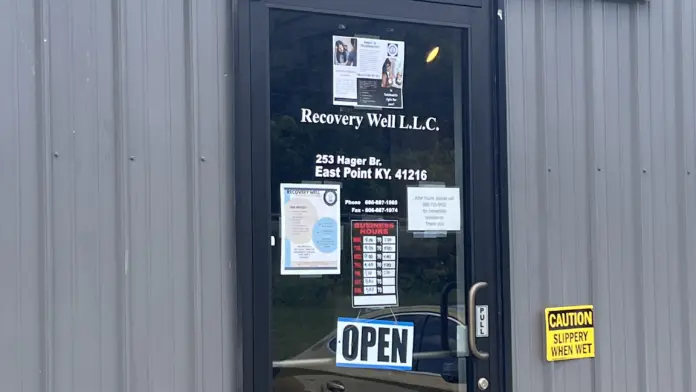
Outpatient substance use treatment facility in East point Ky. We take a holistic whole person approach to treatment to help our patients heal mind, body, and spirit.
Offers treatment in a telehealth and in office setting.
Medication assisted treatment, DUI services, psychotherapy, psychoeducation, targeted case management, peer support, individual and group counseling, certified DUI assessor facility.
At Recovery Well, our core mission is to help persons with substance use disorder, and those struggling with Opioid or Alcohol abuse, to overcome barriers keeping them in the cycle of Addiction. Our mission is to give them the tools to restore everything they have lost to addiction, rebuild their life in a way that makes them feel safe and secure, and recover from all aspects of addiction that has caused them harm throughout their time spent in active addiction. The Patients do all the work to reach sobriety, we just give them the tools. We at Recovery Well only succeed when our Patients have success
Latest Reviews
They truly care about you and your well-being!
Recovery Well not only starts you on your journey, they walk with you through the whole process and truly understand you. The staff work hard everyday to offer client-centered care always! If you or someone you know is in need of help, let Recovery Well show you the help you need!
Response from the owner1 week ago
Thank you so much Shelia! We appreciate all your kind words about us ❤️ we just started offering mental health treatment and psychiatry in office and via Telehealth too so we’re soo excited about that and hopefully it will allow us to help so many more that struggle with anxiety, depression, and mental health! Hopefully one day soon we will be able to help all aspects of SUD, addiction recovery, and mental health under 1 place and provide all services from outpatient to in patient 🤞🏼
Recovery Well is an awesome place. They care so much about the patients and treats them like family. The owners are amazing people and so are the staff. I highly recommend anyone that needs help. You are not just a patient you are family
Response from the owner1 week ago
Thank you so much Ashley. We’re so appreciative of your comment and sharing your experience with us to everyone! It truly takes a team to be able to provide the best patient care when it comes to substance use treatment and mental health treatment and I believe everyone that works with us truly believes in helping always putting the patient first. We’re so proud of the staff. Working to create an outpatient telehealth program for substance use treatment using buprenorphine or suboxone is something that takes a lot of details and time, but I’m glad we’re able to offer it and help patients overcome barriers to treatment so many run into… such as transportation or childcare. We will continue to strive to provide the best services we can and are so happy to hear about your experience! 
Rehab Score
 Our Methodology
Scoring is assigned by a proprietary system which helps surface key metrics that determine quality. The 10-point scale factors in categories such as operations, customer satisfaction, and trust metrics. Read Full Methodology

8.1 / 10
Gallery
Accepted Insurance
Other Forms of Payment
Self-pay involves paying for treatment out of your own pocket. You can use savings or credit, get a personal loan, or receive help from family and friends to fund your treatment. If you don't have insurance or your insurance plan doesn't cover a specific program, self-pay can help ensure you still get the care you need.
Private insurance refers to any kind of healthcare coverage that isn't from the state or federal government. This includes individual and family plans offered by an employer or purchased from the Insurance Marketplace. Every plan will have different requirements and out of pocket costs so be sure to get the full details before you start treatment.
Medicaid is a state based program that helps lower-income individuals and families pay for healthcare. Medicaid covers addiction treatment so those enrolled can use their coverage to pay for rehab. When a program accepts Medicaid the client often pays very little or nothing out of their own pocket.
Medicare is a federal program that provides health insurance for those 65 and older. It also serves people under 65 with chronic and disabling health challenges. To use Medicare for addiction treatment you need to find a program that accepts Medicare and is in network with your plan. Out of pocket costs and preauthorization requirements vary, so always check with your provider.
Sliding scale payments are based on a client's income and family size. The goal is to make treatment affordable to everyone. By taking these factors into account, addiction recovery care providers help ensure that your treatment does not become a financial burden to you or your family, eliminating one barrier to care.
Private insurance refers to any kind of healthcare coverage that isn't from the state or federal government. This includes individual and family plans offered by an employer or purchased from the Insurance Marketplace. Every plan will have different requirements and out of pocket costs so be sure to get the full details before you start treatment.
Addiction Treatments
Levels of Care
Outpatient rehabs enable clients to integrate addiction treatment into their daily lives. Clients typically continue to work and reside at home, but may engage in daily therapeutic sessions, depending on need. Outpatient treatment generally involves individual, group, and/or family therapy, recovery-focused life skills training, and a variety of ancillary services, such as career counseling or vocational training. Outpatient rehabs often encompass multiple levels of care, including partial hospitalization (PHP), intensive outpatient (IOP), sober living, and standard outpatient.
Rehab aftercare programs ensure clients' access to continuing care after the completion of intensive inpatient treatment. Outpatient care is often considered a component of drug rehab aftercare, but most clients continue to receive support services after being discharged from formal treatment. Service portfolios are customized to clients' unique and evolving needs and are often designed in collaboration with clients' case managers and care teams. Peer coaching, career counseling, relapse prevention, and 12 step program induction are standard.
Intensive outpatient programs (IOP) specialize in high-level care for clients requiring robust support. This includes those in early recovery, those in crisis, and those stepping down from inpatient care. Clients typically participate in a minimum of nine treatment hours per week, but many intensive outpatient rehabs offer up to 20 hours of service weekly. Their primary treatment modalities generally combine psychotherapy and recovery education. Medication assisted treatment (MAT) for alcohol and/or opioid recovery is widely available.
Modern telehealth options in Kentucky include teleconsultations and remote patient monitoring. A teleconsultation allows you to get advice from a physician via phone call or video call. Remote patient monitoring allows you to wear a sensor that transmits your health information to a healthcare provider.
Treatments
Alcoholism is a term used to describe a level of drinking that causes harm to a person's health. Also known as alcohol addiction or alcohol use disorder (AUD), the dependency involves a strong, often uncontrollable urge to drink.This condition is treatable through alcohol rehab in Kentucky. Programs typically involve supervised detox, behavioral treatments, medications, and mutual-support groups.
 Opioid Addiction
Kentucky residents seeking help to overcome mental health and substance abuse can access a variety of personalized treatment options. These specialized programs provide dual-diagnosis treatment, addressing the mental health disorder and the substance abuse simultaneously. Medical experts typically provide individual counseling, group therapy, family counseling, and holistic approaches like mindfulness practices, yoga, and meditation. These holistic approaches can help you to develop the skills to maintain your mental health and recovery.
In Kentucky, comprehensive substance abuse treatment programs are available to address addiction and any co-occurring mental health disorders. Typically, treatment programs offer various levels of care, including outpatient, inpatient, and partial hospitalization. Treatment activities include individual and group therapy, recovery support meetings, evidence-based therapies such as cognitive-behavioral therapy (CBT), dialectical behavior therapy (DBT), and psychoeducation. By the end of treatment you will have the resources and supportive recovery community to sustain long-term mental health and sobriety.
Programs
Adult rehab programs include therapies tailored to each client's specific needs, goals, and recovery progress. They are tailored to the specific challenges adult clients may face, including family and work pressures and commitments. From inpatient and residential treatment to various levels of outpatient services, there are many options available. Some facilities also help adults work through co-occurring conditions, like anxiety, that can accompany addiction.
Young adulthood can be an exciting, yet difficult, time of transition. Individuals in their late teens to mid-20s face unique stressors related to school, jobs, families, and social circles, which can lead to a rise in substance use. Rehab centers with dedicated young adult programs will include activities and amenities that cater to this age group, with an emphasis on specialized counseling, peer socialization, and ongoing aftercare.
Clinical Services
Men and women in Kentucky participating in group therapy learn to express their feelings and struggles with drug addiction in a non judgmental atmosphere. Your peers can offer you empathy and encouragement because they understand your journey to recovery. This fosters a sense of community and belonging that may extend far after group therapy sessions.
In individual therapy for drug and alcohol addiction, the therapist and patient work together to address the challenges and triggers that drive addictive behavior. This offers a customized approach to a healthier, substance free life.
Family therapy provides families with a structured environment to address the complexities of addiction. You work with an experienced therapist to develop effective strategies for supporting your loved one's recovery while focusing on the well being of each member of the family unit.
Cognitive behavioral therapy in Kentucky involves learning to recognize unhealthy thinking patterns and developing problem solving skills to cope with life's challenges. It will help you have greater confidence in your abilities so you can change your patterns of behavior and break free from substance abuse.
Typically, dialectical behavior therapy (DBT) in Kentucky involves four types of therapy sessions. You'll participate in a pre assessment, skills training in groups, individual therapy, and telephone crisis coaching. The goal is to improve your skills for coping with daily emotions and life challenges.
 Eye Movement Desensitization And Reprocessing
Amenities
-
 Private Setting
 -
 Wifi
Wifi
Accreditations

The Substance Abuse and Mental Health Services Administration (SAMHSA) is a branch of the U.S. Department of Health and Human Services. Established in 1992 by congress, SAMHSA's mission is to reduce the impact of substance abuse and mental illness on American's communities.
SAMHSA Listed: Yes

State Licenses are permits issued by government agencies that allow rehab organizations to conduct business legally within a certain geographical area. Typically, the kind of program a rehab facility offers, along with its physical location, determines which licenses are required to operate legally.
State License: Kentucky
Rehab.com regularly reviews this listing for accuracy but changes may occur between updates. For the most up-to-date information, please contact Recovery Well Treatment center.
Contact Information

253 Hager Branch
East point, KY 41216
Get Help Now - 606-257-4949
Sponsored Helpline
Sponsored Helpline

