












Footprints to Recovery Addiction Treatment Centers
1
Top 10 Rehab Centers In Centennial



















































































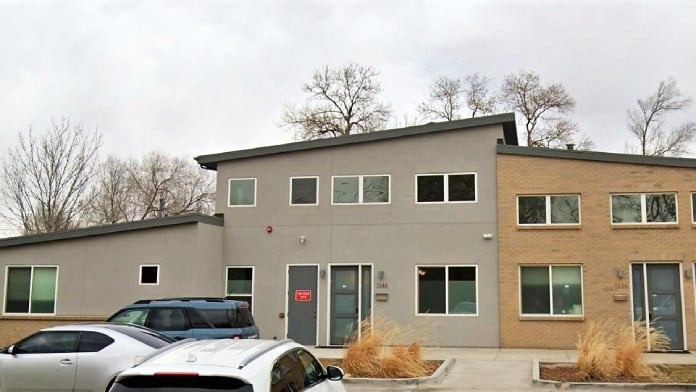
Rocky Mountain Detox Treatment provides person-centered addiction treatment and mental health treatment to men and women seeking recovery. Services include:
This is a medically monitored detox that provides 24/7 supervision. Clients will be provided medications that help them safely and effectively remove addictive substances from the body. Clients will move into residential treatment post detox.
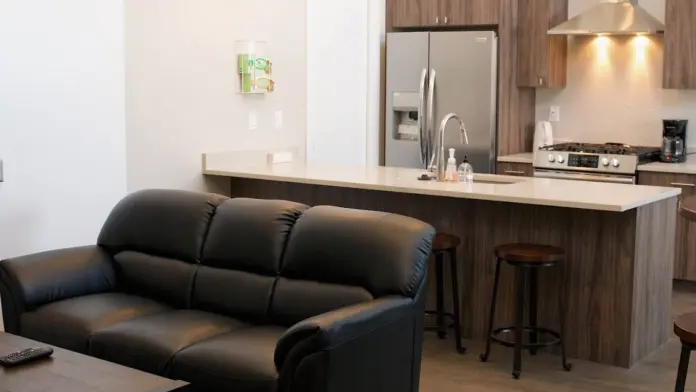
This is a highly structured home-like environment where clients can receive 24/7 care. The typical length of stay is one month to one year in length. Clients will partake in individual therapy, group therapy, family therapy, and dual diagnosis treatment if needed. Educational groups help clients learn new skills and habits. A strong emphasis is placed on establishing new goals.
This program offers individual therapy, group therapy, family therapy, EMDR, and hypnotherapy. Clients will engage in a wide variety of evidence-based therapeutic approaches to treating addiction and mental health concerns.

 Our Methodology


Self-pay involves paying for treatment out of your own pocket. You can use savings or credit, get a personal loan, or receive help from family and friends to fund your treatment. If you don't have insurance or your insurance plan doesn't cover a specific program, self-pay can help ensure you still get the care you need.
Private insurance refers to any kind of healthcare coverage that isn't from the state or federal government. This includes individual and family plans offered by an employer or purchased from the Insurance Marketplace. Every plan will have different requirements and out of pocket costs so be sure to get the full details before you start treatment.
Private insurance refers to any kind of healthcare coverage that isn't from the state or federal government. This includes individual and family plans offered by an employer or purchased from the Insurance Marketplace. Every plan will have different requirements and out of pocket costs so be sure to get the full details before you start treatment.
Residential treatment programs are those that offer housing and meals in addition to substance abuse treatment. Rehab facilities that offer residential treatment allow patients to focus solely on recovery, in an environment totally separate from their lives. Some rehab centers specialize in short-term residential treatment (a few days to a week or two), while others solely provide treatment on a long-term basis (several weeks to months). Some offer both, and tailor treatment to the patient's individual requirements. Linden Oaks' Residential Stay Program offers additional support for those who may benefit from a structured living environment. A patient's stay may vary from a few days to 30 days ago. The program includes group, family and individual counseling.
The process of medically assisted detox usually takes place in an inpatient setting while under the 24/7 care of a team of licensed medical professionals. It's considered the safest way to rid the body of all addictive substances and prepare you for a transition into either an inpatient program or various forms of outpatient rehab. The program length varies depending on your needs, but it typically takes about 5-7 days.
Completing a drug or alcohol rehab program shouldn't spell the end of substance abuse treatment. Aftercare involves making a sustainable plan for recovery, including ongoing support. This can include sober living arrangements like halfway houses, career counseling, and setting a patient up with community programs like Alcoholics Anonymous (AA) or Narcotics Anonymous (NA).
Detox can be dangerous if not properly supervised, making 24-hour clinical care in Colorado an essential tool in the recovery process. The constant monitoring by medical professionals helps individuals through critical stages of recovery. Medical professionals and addiction specialists are available 24/7 to provide medications that ease withdrawal symptoms and to treat any other issues that arise.
Residents of a sober living home in Colorado are encouraged to continue to develop coping skills and habits they learned in treatment. They can typically live at the halfway house as long as they want, until they feel they are ready to transition home. During their stay, they must adhere to house rules, which may include contributing to household chores, abiding by a curfew, and maintaining a job.
Outpatient rehabs offer a wide variety of services and levels of care to align with clients' unique and evolving needs. Outpatient care is best suited for clients who are stable and for those who wish to remain at home while receiving treatment. Clients typically receive addiction counseling and recovery-focused life skills training, including participating in evening, night, and weekend sessions to accommodate clients' schedules. Clients at an increased relapse risk may receive more frequent and intensive treatment.
Alcoholism is defined as a physical dependence on alcohol. In this state, the body experiences withdrawal symptoms in the absence of alcohol. Over time, a person with alcohol use disorder also must drink greater amounts of alcohol to achieve the same effects. To overcome alcohol use disorder, alcohol rehab in Colorado is usually necessary, a process which includes supervised medical detox. This is followed by intensive rehab, then a maintenance program that may include 12-step support.
Professional services are often necessary to recover from addiction. Drug rehab in Colorado provides the expert services needed to address the complex issues of addiction and help individuals start their recovery journey.
 Opioid Addiction
Colorado offers dual-diagnosis addiction treatment programs that encompass various levels of care to meet your individual needs, including medical detox, outpatient, inpatient, and partial hospitalization programs for individuals with co-occurring mental health and substance use disorders. These dual-diagnosis rehab programs incorporate evidence-based therapies such as cognitive-behavioral therapy (CBT) or dialectical behavior therapy (DBT) to successfully address substance use disorders and co-occurring diagnoses.
Adult rehab programs include therapies tailored to each client's specific needs, goals, and recovery progress. They are tailored to the specific challenges adult clients may face, including family and work pressures and commitments. From inpatient and residential treatment to various levels of outpatient services, there are many options available. Some facilities also help adults work through co-occurring conditions, like anxiety, that can accompany addiction.
Group therapy in Colorado offers you a platform to share your stories about drug addiction and co occurring mental health conditions. You'll receive encouragement and empathy from peers who understand your journey, fostering a sense of community and belonging.
During family therapy sessions, family members in Colorado work with therapists to understand addiction as a disease that has affected the entire family. This approach fosters empathy and reduces blame on any one member. Promoting this collective effort helps to support the recovery process.
The main principle of cognitive behavioral therapy (CBT) in Colorado is that substance use disorders are based on faulty thinking and behavior patterns. The goal of this treatment is to help the individual learn better ways of coping with challenges, which will lead to changes in thinking and behavior.
 Eye Movement Desensitization And Reprocessing
 Hypnotherapy
Men and women in Colorado have access to customized individual therapy sessions for drug and alcohol addiction treatment. These sessions explore your life experiences and patterns of substance abuse. Your therapist helps you recognize harmful behaviors and thoughts that empower you to make positive changes for lasting recovery.
 Private Rooms
 CEO
Clinical Director
Admissions Director and Business Development Manager

State Licenses are permits issued by government agencies that allow rehab organizations to conduct business legally within a certain geographical area. Typically, the kind of program a rehab facility offers, along with its physical location, determines which licenses are required to operate legally.
State License: Colorado
Rehab.com regularly reviews this listing for accuracy but changes may occur between updates. For the most up-to-date information, please contact Rocky Mountain Detox Treatment Center.

1349 Pierce St
Lakewood, CO 80214
Sponsored Helpline

My experience with Rocky Mountain Detox raised serious concerns for me about case management, communication, and accountability. Case management should be held responsible for helping clients navigate difficult situations—not making those situations more confusing or leaving someone without a clear and reasonable path forward. When a person is seeking help, especially in the context of recovery, communication from staff should be consistent, respectful, and clearly documented. One particular experience was especially troubling: when someone knocks on your door seeking help or attempting to return, you should not simply be told that you are “not welcome back” without clear communication about why, what options remain available, or where that person is supposed to go next. People in recovery are human beings. Circumstances can change quickly, and someone who is struggling may not have another safe place to turn. If a facility determines that someone cannot return, there should be a clear process for communicating that decision and connecting the individual with appropriate alternatives. I believe Rocky Mountain Detox should take a serious look at how case management handles situations like these and whether clients are being treated with the dignity, consistency, and accountability they deserve. Recovery should not be a revolving door where someone can be told they are no longer welcome without a meaningful explanation or a plan for what comes next. Prospective clients and families should ask questions about the facility’s policies regarding discharge, returning to the property, grievances, case-management decisions, and continuity of care before placing their trust in the program.

I have got to say this is probably one of the worst detox place I have been to and I have been to 3:04 of them when I first got there they made me wait outside in the belligerent son it was about a 100° outside and I had to wait outside for them to allow me inside my intake was a male and he had asked me if I was okay with him doing my skin check which at the time I did not know what skin check meant so I made him clarify and he said, "are you okay with me doing your strip search?" Like excuse me what the hell did you just say no I am not okay with you doing my strip search absolutely not what is your problem. Then they tell you that they have to put you in Scrubs because they're going to wash all your clothes however when I got my clothes back they only let me have two or three pairs of my shortest little shorts they did not let me have my sweats or my leggings they did not let me have my Band-Aids. And then so I ended up getting discharged because of my own actions but when they discharged me and I got by my belongings back to me I guess what was in there a bunch of my foils with pills still on it tutors like they were going to have me complete that detox program and then get out to them handing me back on my drugs again but they say that they go through all your belongings to make sure they threw everything out that is a lie. And the biggest most horrible thing they have done is they violated HIPAA I did not write a release of information for anybody except for my methadone clinicand when I got discharged they had called my family so I am going to file a complaint on them because that is not okay this facility is whack!

I'm sorry for leaving a bunch of different reviews, deleting them a couple hours later and then leaving another 1 star review. This is the final review and I'll just let it stand. It is not my intention oncesoever to annoy whoever gets notifications from someone leaving a review.

I once had a 5 star review written for this place as I loved it. Ive been through rehab 5 or 6 times and detox 3 times. A couple years ago, this was the last 30 day program I attended. At the end of that 30 days I legit did not want to leave. People are usually ready and wanting to leave. I however was sad to be leaving. For me thats how real and genuine the experience was. At that time this placed helped me more than anywhere else I have been in two decades of suffering with addiction. I had to return to detox a few months later and this place had done a complete 180. This is already gonna be long so in effort to shorten it, I am just gonna say everything that was so phenomenal about this place had been changed for the worse. Furthermore I came in with prescriptions like most people do. My second time through they refused to administer two of my meds and gave me 1/3 of the normal dose of the other. These weren't outlandish meds by any stretch of the imagination. Anyways this caused me to immediately take my 5 star review down like second I was discharged. I wasnt ready to give them a negative review at that time. Unfortunately due to some recent experiences I gotta do it. I want to make sure people get the help they need and apparently lots do. Just read the positives. Truthfully I dont understand how there could be that many recent positive reviews. To respect my own privacy and that of my friends that have come here (several times as well) I wont go into major specifics. If this place can help you then great go for it. There are people here that care. Connor one of the BHTs is wonderful as are many of the nurses. But I recently tried to get somebody admitted here because it was emergent and this was absolute last resort. The phone numbers I found were dead/disconnected forcing me to submit a request online to be contacted. They got in touch with me within somewhat of a reasonable time I guess. Idk maybe it's just me but in an addiction crisis I dont want to be dealing with dead phone numbers and waiting for a text message (especially from someone that came off relatively short and rude). All I can tell you is that for me and several others who have struggled with this awful disease for a long time (two plus decades for me, decade plus for the others), you truly couldn't pay any of us to come back to this place even in the utmost desperate times. If you are able I encourage you to look elsewhere and it genuinely hurts me to write that. I would not feel right not speaking my mind to those experiencing struggles.
 Back
Back
Sharing your insights and experiences can help others learn more about this rehab center.
 Written By: Courtney Myers
MS
Written By: Courtney Myers
MS