





























































































About Spero Health – Clarksburg
Spero Health in Clarksburg, West Virginia is an outpatient addiction treatment center offering evidence based, telehealth first care for adults living with substance use disorders.
The Clarksburg program provides assessments and physician visits, medication assisted treatment, individual and group counseling, and ongoing recovery support all delivered through a coordinated and integrated care model.
Patients frequently describe the staff as compassionate, professional and genuinely supportive throughout the recovery process.
What addiction treatment is offered?
Spero Health provides outpatient treatment delivered primarily through telehealth including medical evaluations and physician oversight, counseling and medication assisted treatment with options such as Suboxone, Vivitrol and Sublocade.
The program also includes personalized treatment planning, recovery support and care management guided by ASAM standards.
Who can get help here?
The Clarksburg location serves adults and young adults, both men and women, seeking treatment for opioid use disorder, alcohol use disorder and other substance use concerns.
Spero also supports people with co-occurring mental health needs and welcomes individuals navigating court referrals, trauma history, pregnancy and postpartum care, pain management and senior specific recovery needs.
Where is the program located?
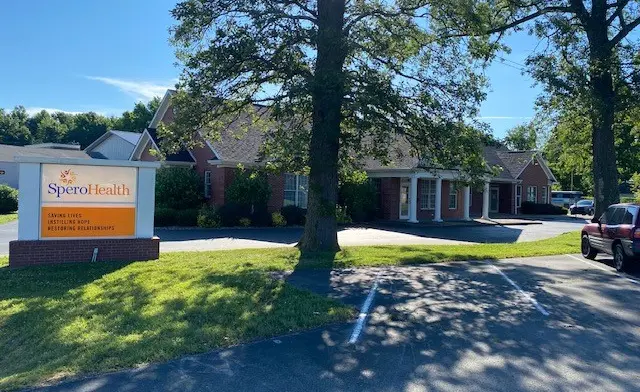
Spero Health is based at 95 Rosebud Ave in Clarksburg and its telehealth model extends care across Harrison County and North-Central West Virginia including Bridgeport and Nutter Fort, Shinnston and Salem, Grafton and Fairmont, West Milford and Lost Creek.
This approach reduces travel barriers and supports privacy for eligible patients.
What payment options are accepted?
Spero Health Clarksburg accepts Medicaid, Medicare, TRICARE, and most forms of commercial insurance. Sliding scale pricing and payment assistance are not offered at this location.
Latest Reviews



Rehab Score
 Our Methodology


Gallery
Other Forms of Payment
Medicaid is a state based program that helps lower-income individuals and families pay for healthcare. Medicaid covers addiction treatment so those enrolled can use their coverage to pay for rehab. When a program accepts Medicaid the client often pays very little or nothing out of their own pocket.
Private insurance refers to any kind of healthcare coverage that isn't from the state or federal government. This includes individual and family plans offered by an employer or purchased from the Insurance Marketplace. Every plan will have different requirements and out of pocket costs so be sure to get the full details before you start treatment.
Self-pay involves paying for treatment out of your own pocket. You can use savings or credit, get a personal loan, or receive help from family and friends to fund your treatment. If you don't have insurance or your insurance plan doesn't cover a specific program, self-pay can help ensure you still get the care you need.
Addiction Treatments
Levels of Care
Outpatient Programs (OP) are for those seeking mental rehab or drug rehab, but who also stay at home every night. The main difference between outpatient treatment (OP) and intensive outpatient treatment (IOP) lies in the amount of hours the patient spends at the facility. Most of the time an outpatient program is designed for someone who has completed an inpatient stay and is looking to continue their growth in recovery. Outpatient is not meant to be the starting point, it is commonly referred to as aftercare.
Drug and alcohol addiction often takes a heavy toll on one's body. Over time, a physical dependence can develop, meaning the body physiologically needs the substance to function. Detox is the process of removing drugs and/or alcohol from the body, a process that can be lethal if mismanaged. Medical detox is done by licensed medical professionals who monitor vital signs and keep you safe, healthy, and as comfortable as possible as you go through detox and withdrawal. The length of stay at the detoxification program is determined according to the specific needs of the patient.
Treatments
Opioid rehabs specialize in supporting those recovering from opioid addiction. They treat those suffering from addiction to illegal opioids like heroin, as well as prescription drugs like oxycodone. These centers typically combine both physical as well as mental and emotional support to help stop addiction. Physical support often includes medical detox and subsequent medical support (including medication), and mental support includes in-depth therapy to address the underlying causes of addiction.
Substance rehabs focus on helping individuals recover from substance abuse, including alcohol and drug addiction (both illegal and prescription drugs). They often include the opportunity to engage in both individual as well as group therapy.
Programs
Adult rehab programs include therapies tailored to each client's specific needs, goals, and recovery progress. They are tailored to the specific challenges adult clients may face, including family and work pressures and commitments. From inpatient and residential treatment to various levels of outpatient services, there are many options available. Some facilities also help adults work through co-occurring conditions, like anxiety, that can accompany addiction.
Clinical Services
Group therapy is any therapeutic work that happens in a group (not one-on-one). There are a number of different group therapy modalities, including support groups, experiential therapy, psycho-education, and more. Group therapy involves treatment as well as processing interaction between group members.
In individual therapy, a patient meets one-on-one with a trained psychologist or counselor. Therapy is a pivotal part of effective substance abuse treatment, as it often covers root causes of addiction, including challenges faced by the patient in their social, family, and work/school life.
Amenities
-
 Private Setting
Staff & Accreditations
Staff
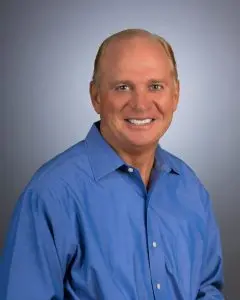
Steve Priest
CEO & President
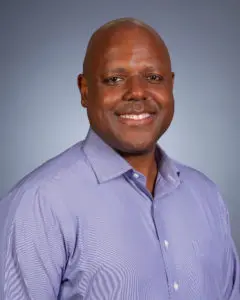
Edward Littlejohn
COO
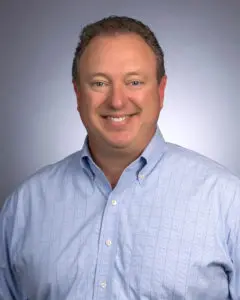
Mark Rappé
Senior VP, Development

David Hayden, MA, LCADC
Senior VP, Clinical Services
Accreditations

The Commission on Accreditation of Rehabilitation Facilities (CARF) is a non-profit organization that specifically accredits rehab organizations. Founded in 1966, CARF's, mission is to help service providers like rehab facilities maintain high standards of care.
CARF Accreditation: Yes
Rehab.com regularly reviews this listing for accuracy but changes may occur between updates. For the most up-to-date information, please contact Spero Health – Clarksburg.
Contact Information


95 Rosebud Ave
Suite 104
Clarksburg, WV 26301
Sponsored Helpline

