






























































































Zero tolerance for anyone who isn't a man and an alcoholic. Staff is rude and plays favorites. Definitely wouldn't recommend. They boast a 20 percent completion rate....hmmm.
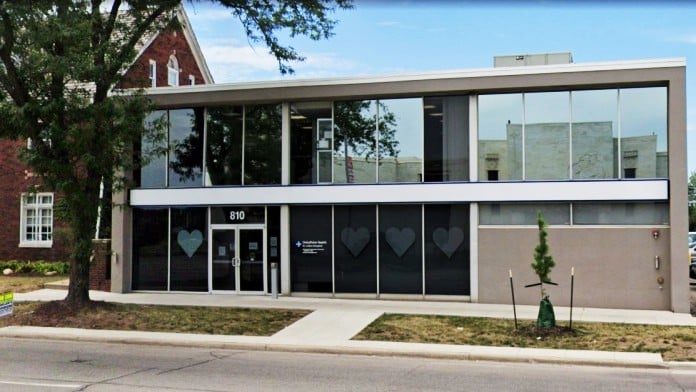
About UnityPoint Health – St. Luke’s Chemical Dependency
The IOP at St Luke’s follows the 12-step philosophy for recovery. Treatment is provided by a team of specialists including doctors, therapists, social workers, substance abuse counselors, nutritionists and spiritual care counselors. Clients will participate in a variety of services including individual and group therapy, recreational therapy, nutritional counseling, 12-step support groups, spirituality groups and aftercare planning.
Treatment takes place three days a week for 9-10 weeks. Programs are available in either the morning or evening.
Aftercare programs meet once a week and support individuals who have completed a program. Relapse prevention helps those who need extra support staying sober after treatment.
St Luke’s Chemical Dependency accepts most health insurance providers such as Anthem, ComPsych, Magellan Health, Kaiser Permanente and Bright Health. Contact your provider to verify coverage as out of network benefits can vary.

Rehab Score
 Our Methodology
Scoring is assigned by a proprietary system which helps surface key metrics that determine quality. The 10-point scale factors in categories such as operations, customer satisfaction, and trust metrics. Read Full Methodology

6 / 10
Gallery
Other Forms of Payment
Private insurance refers to any kind of healthcare coverage that isn't from the state or federal government. This includes individual and family plans offered by an employer or purchased from the Insurance Marketplace. Every plan will have different requirements and out of pocket costs so be sure to get the full details before you start treatment.
Self-pay involves paying for treatment out of your own pocket. You can use savings or credit, get a personal loan, or receive help from family and friends to fund your treatment. If you don't have insurance or your insurance plan doesn't cover a specific program, self-pay can help ensure you still get the care you need.
Military members, veterans, and eligible dependents have access to specific insurance programs that help them get the care they need. TRICARE and VA insurance can help you access low cost or no cost addiction and mental health treatment. Programs that accept military insurance often have targeted treatment focused on the unique challenges military members, veterans, and their families face.
Medicaid is a state based program that helps lower-income individuals and families pay for healthcare. Medicaid covers addiction treatment so those enrolled can use their coverage to pay for rehab. When a program accepts Medicaid the client often pays very little or nothing out of their own pocket.
Medicare is a federal program that provides health insurance for those 65 and older. It also serves people under 65 with chronic and disabling health challenges. To use Medicare for addiction treatment you need to find a program that accepts Medicare and is in network with your plan. Out of pocket costs and preauthorization requirements vary, so always check with your provider.
Addiction Treatments
Levels of Care
Drug and alcohol addiction often takes a heavy toll on one’s body. Over time, a physical dependence can develop, meaning the body physiologically needs the substance to function. Detox is the process of removing drugs and/or alcohol from the body, a process that can be lethal if mismanaged. Medical detox is done by licensed medical professionals who monitor vital signs and keep you safe, healthy, and as comfortable as possible as you go through detox and withdrawal. When medically-managed detoxification is indicated, a client may be admitted to the hospital. Following stabilization the client may be referred for outpatient treatment services.
St. Luke's intensive outpatient treatment is structured to use the 12-step philosophy of Alcoholics Anonymous. Treatment is provided by doctors, substance abuse counselors, family therapists, social workers, recreational therapists, nutritionists and spiritual care professionals. The group process focuses on communication and listening skills. Morning and evening programming times are available. The treatment schedule is three days per week for nine to ten weeks. This ten-session program is designed for individuals who have abused a substance and experienced a negative consequence. The program helps individuals explore their association with substances, recognize the affect it has on their lives.
This five-week program consists of 15 hours of education and group therapy designed to promote early intervention. This program is appropriate when there are concerns about an individual's substance use, but not sufficient data to substantiate chemical dependency.
There are times when a carefully planned intervention is the very best way to approach a chemically-dependent loved one. To be successful, such a process needs careful planning and preparation. They offer intervention training and assistance for concerned family members
12-step programs are addiction recovery models based on Alcoholics Anonymous (AA). A number of substance abuse programs (including some drug and alcohol rehab centers) use the 12 steps as a basis for treatment. Beginning steps involve admitting powerlessness over the addiction and creating a spiritual basis for recovery. Middle steps including making direct amends to those who've been hurt by the addiction, and the final step is to assist others in addiction recovery in the same way. 12-Step offshoots including Narcotics Anonymous (NA), Cocaine Anonymous (CA), Dual Recovery Anonymous (DRA), Sex and Love Addicts Anonymous (SLAA) and Gamblers Anonymous (GA).
Since treatment is just the beginning of recovery, St. Luke's Chemical Dependency program supports the continuing progress of our clients with our Aftercare Program. Aftercare groups meet once a week and are facilitated by a staff counselor. This program is designed to help individuals who have completed treatment but are having a difficult time staying away from substances.
Treatments
The goal of treatment for alcoholism is abstinence. Those with poor social support, poor motivation, or psychiatric disorders tend to relapse within a few years of treatment. For these people, success is measured by longer periods of abstinence, reduced use of alcohol, better health, and improved social functioning. Recovery and Maintenance are usually based on 12 step programs and AA meetings.
Drug rehab in Iowa is available in many formats. A variety of inpatient and outpatient options provide programs that are tailored to individual needs, making recovery possible for everyone.
A combined mental health and substance abuse rehab has the staff and resources available to handle individuals with both mental health and substance abuse issues. It can be challenging to determine where a specific symptom stems from (a mental health issue or an issue related to substance abuse), so mental health and substance abuse professionals are helpful in detangling symptoms and keeping treatment on track.
Opioid rehabs specialize in supporting those recovering from opioid addiction. They treat those suffering from addiction to illegal opioids like heroin, as well as prescription drugs like oxycodone. These centers typically combine both physical as well as mental and emotional support to help stop addiction. Physical support often includes medical detox and subsequent medical support (including medication), and mental support includes in-depth therapy to address the underlying causes of addiction.
Programs
Adult rehab programs include therapies tailored to each client's specific needs, goals, and recovery progress. They are tailored to the specific challenges adult clients may face, including family and work pressures and commitments. From inpatient and residential treatment to various levels of outpatient services, there are many options available. Some facilities also help adults work through co-occurring conditions, like anxiety, that can accompany addiction.
Young adulthood can be an exciting, yet difficult, time of transition. Individuals in their late teens to mid-20s face unique stressors related to school, jobs, families, and social circles, which can lead to a rise in substance use. Rehab centers with dedicated young adult programs will include activities and amenities that cater to this age group, with an emphasis on specialized counseling, peer socialization, and ongoing aftercare.
Recovery is most successful when clients feel accepted and validated by their peers and treatment providers. Facilities that offer LGBTQ-inclusive programming are committed to creating a safe space where everyone can grow and recover without fear of judgment or discrimination. They will have dedicated policies in place to create a safe and supportive environment that fosters free expression.
Clinical Services
Research clearly demonstrates that recovery is far more successful and sustainable when loved ones like family members participate in rehab and substance abuse treatment. Genetic factors may be at play when it comes to drug and alcohol addiction, as well as mental health issues. Family dynamics often play a critical role in addiction triggers, and if properly educated, family members can be a strong source of support when it comes to rehabilitation.
Group therapy is any therapeutic work that happens in a group (not one-on-one). There are a number of different group therapy modalities, including support groups, experiential therapy, psycho-education, and more. Group therapy involves treatment as well as processing interaction between group members.
In individual therapy, a patient meets one-on-one with a trained psychologist or counselor. Therapy is a pivotal part of effective substance abuse treatment, as it often covers root causes of addiction, including challenges faced by the patient in their social, family, and work/school life.
During cognitive behavioral therapy in Iowa, you'll gain a better understanding of your thinking and motivations. Your therapist will then help you develop new patterns of thinking and behaving that allow you to cope with life's challenges without abusing substances.
Dialectical behavior therapy helps you learn healthier ways to cope with your emotions and life stressors. The goal is to find a balance between acceptance of who you are and the advantages of making changes. You will work with your therapist to strike this balance and develop skills for better emotional regulation.
Trauma therapy focuses on helping you heal from the psychological impact of witnessing or experiencing a traumatic event. Your therapist offers you support and guidance, which ultimately helps reduce your distress and build resilience.
Staff & Accreditations
Staff
Lois Buntz
Chair
Jim Levett, MD
Vice Chair & CEO
Kathy Epley, Secretary
Community Advocate
Luke Hicks
VP of Finance
Brian Globokar
Senior VP Director of Trust and Wealth Management
Accreditations

The Substance Abuse and Mental Health Services Administration (SAMHSA) is a branch of the U.S. Department of Health and Human Services. Established in 1992 by congress, SAMHSA's mission is to reduce the impact of substance abuse and mental illness on American's communities.
SAMHSA Listed: Yes
Rehab.com regularly reviews this listing for accuracy but changes may occur between updates. For the most up-to-date information, please contact UnityPoint Health – St. Luke’s Chemical Dependency.
Contact Information

810 First Avenue NE
Cedar Rapids IA, 52402
Get Help Now - 319-214-9513
Sponsored Helpline
Sponsored Helpline



