





























































































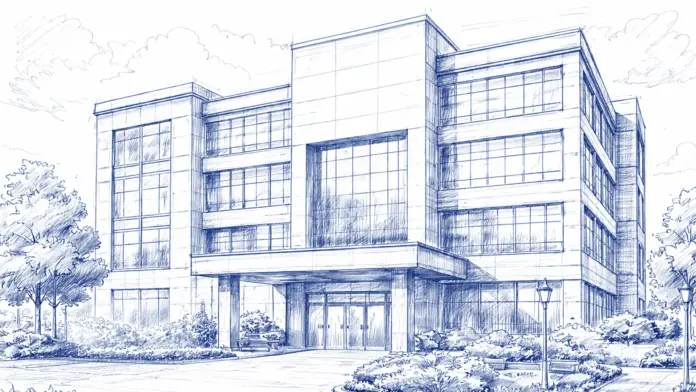
About St Peter’s Center
St Peter’s Center, located in Richfield Springs, New York is a private alcohol and drug rehab that offers treatment for a variety of substance abuse addictions including co-occurring mental health disorders. They offer supervised medical treatment to safely manage withdrawal symptoms during detoxification, as well as residential care providing long term support for addiction recovery. Additional levels of care offered include partial hospitalization, recovery housing, and 12-step therapy.
Specialty rehab programs at St Peter’s Center include tailored care focusing on women’s specific needs and experiences.
Patients at St Peter’s Center will find the residential setting creates an immersive environment promoting full engagement in recovery away from daily triggers and the private transportation allows for discreet and convenient travel to appointments. For recreation, patients can unwind in the rec room after a lengthy day of therapy and get a massage to relieve tension and relax into recovery.
St Peter’s Center has received accreditations from the state of New York.

Rehab Score
 Our Methodology


Location
Other Forms of Payment
Medicaid is a state based program that helps lower-income individuals and families pay for healthcare. Medicaid covers addiction treatment so those enrolled can use their coverage to pay for rehab. When a program accepts Medicaid the client often pays very little or nothing out of their own pocket.
 Free
FreeAddiction Treatments
Levels of Care
Inpatient rehabs provide a space for clients to focus exclusively on their recovery while receiving intensive supervision and support. Inpatient treatment centers provide housing and food and most offer round-the-clock clinical care. Their primary treatment modalities typically consist of addiction counseling using various psychotherapeutic methods, including CBT, DBT, RBT, and motivational interviewing. Many rehabs also provide specialized services for clients with co-occurring addiction and mental illness. Recovery-focused life skills training and holistic therapies are other common services.
Participants in 12 step programs maintain access to community-based peer support, which is the programs' primary treatment modality. 12 step recovery combines personal growth with paper coaching. Participants regularly attend group meetings, which are free, anonymous, open to the public, and available multiple times per day in most communities. They are also mentored by self-selected sponsors who guide them through the steps of recovery. Age and gender specific and other specialized formats are common.
Medical detox involves weaning your body off of addictive substances in a medically supervised environment. If you've become dependent on alcohol and/or drugs, quitting on your own can be uncomfortable and even dangerous. In medically assisted detox, a team of licensed medical professionals will help manage potential withdrawal symptoms, ensuring that you're as safe and comfortable as possible. This process typically takes about 5-7 days, although the length will depend on your individual needs.
The ultimate goal of a sober living home in New York is to provide structure and support for those who want to maintain sobriety. Often, sober living homes are a transitional space for those moving from residential treatment to mainstream life. Residents typically stay at least 90 days, with most living in the halfway house for more than six months.
The partial hospitalization program (PHP) level of care offers short-term, intensive rehab for individuals with acute symptoms that require focused management but don't require 24/7 care. PHP treatment provides structured programming (i.e. individual and group therapy) and allows you to return home in the evening. PHP treatment typically meets weekly for a minimum of 20 hours with the duration typically averaging 90 days. While PHP treatment cost can vary, it is often covered by most providers.
For many different stages and therapies offered during addiction treatment, it's essential to offer 24-hour clinical care in New York. often involves medication treatment for drug or alcohol detox. The withdrawal symptoms experienced during detox can be dangerous, but having medical experts on-site around the clock means someone is always there to step in and provide emergency medical care when and if it is ever needed.
Treatments
In New York you'll find substance abuse treatment programs that can help you address your addiction, and any co-occurring mental health disorders. These programs utilize evidence-based therapies such as cognitive-behavioral therapy (CBT), dialectical behavior therapy (DBT), and psychodynamic approaches to help you achieve recovery and new tools to sustain it. With various treatment options available, including outpatient, inpatient, and residential programs, you'll be able to find the resources and right level of care you need to effectively treat your addiction.
Mental health and addiction rehab programs, known as dual diagnosis centers, offer specialized treatment plans that are tailored to meet the individual needs of every client. These treatment programs are designed to simultaneously address the unique challenges of co-occurring mental health disorders and addiction. The customized treatment plans in a dual diagnosis center are based on your medical history, substance use disorder, mental health condition, and personal recovery goals.
Clinical Services
Men and women in New York undergoing one on one individual therapy for drug and alcohol addiction treatment will address the unique psychological and emotional aspects that are often associated with addiction triggers. Your therapist helps you build a relapse prevention plan and set achievable goals to improve your mental health and achieve long term sobriety.
Trauma therapy involves working through the psychological and emotional impact of a traumatic event. You learn to identify the triggers and develop coping mechanisms that build a sense of safety and trust in yourself.
Coping with day to day living is a challenge while in addiction recovery. Life skills training helps you learn how to manage daily tasks and deal with stress in healthy ways. This is key to long term recovery.
Introduced in 1983, motivational interviewing is a method to help clients commit to change. It's based on the philosophy that change is hard, and clients must explore their own options and come to their own conclusions rather than receive warnings or advice from the therapist.
As you recover from addiction, eating the right foods will help you heal and build your health for long term sobriety. Nutrition therapy teaches you about the nutrition your body needs and how to eat the right foods to support your recovery.
Nicotine is an addictive substance found in cigarettes. When you stop smoking, your body experiences withdrawal from this substance. Nicotine replacement therapy lets you slowly reduce your nicotine intake so you experience minimal withdrawal symptoms. Eventually you'll be down to zero.
During eating disorder treatment, you'll work toward goals such as establishing regular eating patterns, maintaining a healthy weight, and practicing meal planning. You'll also learn about nutrition, eating disorders, and physical health.
In addiction treatment, recreational therapy focuses on engaging you in healthy activities to help reduce your cravings and improve your mental well being. You might engage in activities like cooking classes, hiking, group sports, or swimming as a constructive outlet for stress and emotions that help your recovery.
 Animal Therapy
Amenities
-
 Residential Setting
 -
 Private Transportation
 -
 Private Rooms
 -
 Wifi
Wifi
Accreditations

State Licenses are permits issued by government agencies that allow rehab organizations to conduct business legally within a certain geographical area. Typically, the kind of program a rehab facility offers, along with its physical location, determines which licenses are required to operate legally.
State License: New York
Rehab.com regularly reviews this listing for accuracy but changes may occur between updates. For the most up-to-date information, please contact St Peter’s Center.
Contact Information

3 Lake St
Apt 4
Richfield Springs, NY 13439
Sponsored Helpline
