Get Help Now
Question iconSponsored Helpline
Phone icon 800-641-8351

Stepping Stone Center for Recovery

1815 Corporate Square Boulevard
Jacksonville, FL 32216
Claim Profile
Stepping Stone Center for Recovery FL 32216

About Stepping Stone Center for Recovery

You’ll find medically supervised detox through their short term stabilization program. They also have opioid recovery programs that utilize medication assisted treatment. Taking a whole person approach to recovery, you’ll also find programs that will guide you if you have a dual diagnosis.

When you first seek treatment here, you’ll undergo a thorough assessment and evaluation. If you have underlying mental health struggles accompanying your substance use struggles, those will be identified and an appropriate treatment plan will be created as well.

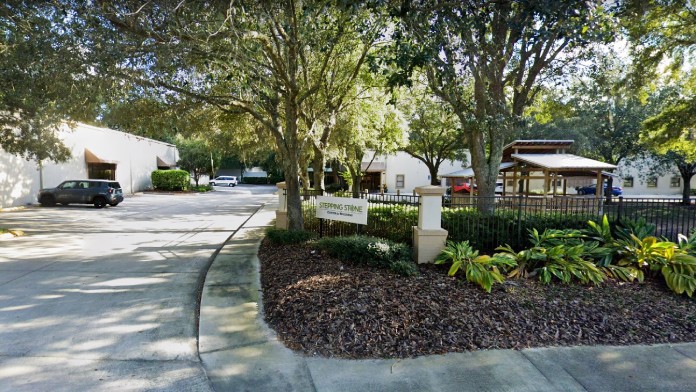
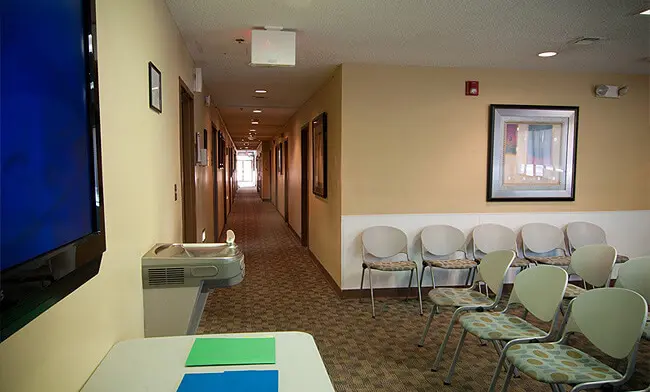
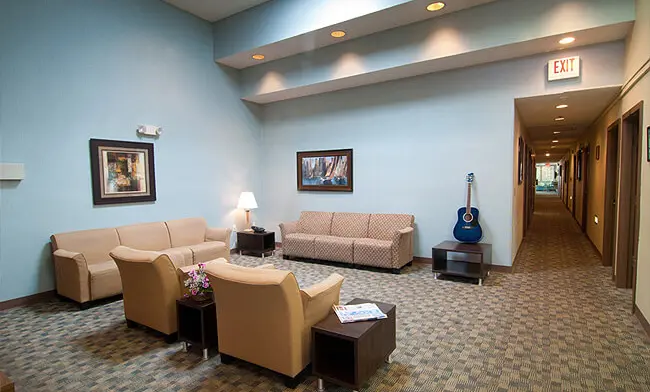
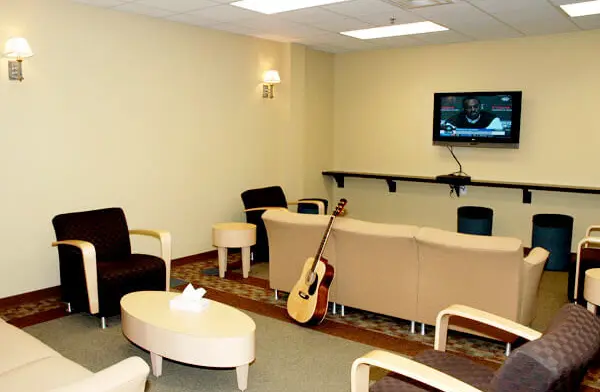
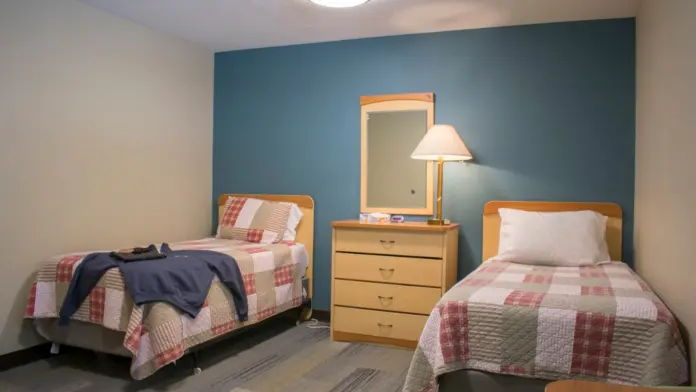
The facility is modern and offers an inviting almost hotel like feel. The detox rooms offer both cool and warm tones, taking away the clinic feel you’d often associate with detox facilities.

Although designed for short term stabilization, these detox rooms provide a strong sense of comfort and safety as you detox here.

The facility also has several community spaces including an outside courtyard where you can enjoy the beautiful Jacksonville weather Florida is known for. The spaces for individual and good counseling are also inviting and take away any feelings of intimidation many people often experience when they first start treatment.

Along with their robust treatment approach, they also have a strong aftercare program. This aftercare program will connect you to services that will help you continue the momentum you’ve gained in treatment.

You’ll get connected with the alumni community here and will be paired with a Certified Recovery Coach. Through this, you can focus on building relevant life skills, getting access to educational and vocational support and building healthy habits for a sober future.

Similar Rehab Centers

Fact checked and written by:
Nadia El-Yaouti, M. Ed.
Edited by:
Courtney Myers, MS

Facility Overview

Bed icon 29
Number of Available Beds

Latest Reviews

Kevin Parks
1 month ago on Google
5
Great staff all the way around! Amenities and food aplenty. Give them an opportunity to help you but you need to want it and do the work. Respect them as they respect you!
Response from the owner1 week ago
We appreciate your kind words! Thank you for your support. Please don't hesitate to reach out if you need anything.
Amy
1 month ago on Google
5
I didn’t always agree with how everything was run, but overall the program was truly worthwhile and helped me tremendously. The therapists were exceptional, and I credit them—along with other staff members—for my engagement and my desire to fully commit to and benefit from my time there. The programming was a major strength, especially the medical sessions led by doctors and nurses, as well as the psychotherapy sessions led by trained therapists. These were pivotal to my success. They also offer nightly 12‑step meetings, typically hosted by outside groups such as AA and NA, which added meaningful support. The living arrangements exceeded my expectations. The dorm room was comfortable (the beds were genuinely great), the food was very good with a wide variety of options every day, and there was a healthy balance of structured programming and downtime for reading, homework, movies, and rest. One thing that particularly impressed me was their weekly Town Hall, where patients can openly raise concerns, complaints, suggestions, and compliments directly with leadership, including the CEO, Clinical Director, Nursing, Maintenance, and BHTs. While the facility is clearly short‑staffed, I never once felt unsafe or discouraged from voicing my concerns. Some of the rules could be frustrating, but they are clearly in place for patient safety. I am 44 days sober today. When I arrived, I was angry at the world, ready to leave AMA, and intent on drinking myself to death. I left with a powerful desire to live and to continue doing the next right thing to stay grounded in my recovery. Stepping Stone—especially my individual therapist and the classes—saved my life. I will be forever grateful.
Joe B
1 month ago on Google
1
Five years ago I realized that I needed medical help with my chemical addicton and checked myself into Stepping Stone. I took time away from work, showed up really optimistic with a positive attitude, blew a 0.0 at intake because I was committed to doing it the right way and realized I would die if I didn't make a change. My four days at Stepping Stone were so incomprehensibly terrible that it destroyed my faith in the addiction recovery industry all together and it made me completely give up hope on recovery actually being a possibility for someone like me. I went home and nearly drank myself to death for the next six months because I felt better about it as an option than returning to Stepping Stone, which is probably the worst possible thing one could think about a recovery center. The night I left, a staff member laughed and told me I would never get sober without Stepping Stone. Next week I'm coming up on four years sober, I've had zero relapses or close calls, I have moved on with my life and everything is going amazing. I don't even know where to begin describing my brief stay with Stepping Stone. I told myself I would trust the process as I had no prior experience with recovery programs and I assumed altruism was a given. For 3 days I was shut alone in a room for 24 hours a day with no tv/books/cell phone and told I couldn't leave. During that time I hallucinated and went through withdrawals in an empty room alone with nothing but my thoughts and no food was delivered for three days. I wasn't allowed to use the phone as promised to let my family know I was doing ok, and when my family called the facility after I fell radio silent knowing detox can be dangerous, the front desk staff laughed, blew them off and told my panicked family I might be alive, I might be dead and they can't say. Nobody told me that they called. My fiancee called the county coroner every few hours for two days because she feared I was dead. After three days of being in total isolation staring at the wall and not having talked to a single member of the staff besides the nurse, I had a great, rational, calm talk with her that left her in tears by the end realizing how badly the ball had been dropped. I wish I remembered her name, she was awesome. She dropped everything she was doing and went to the therapist with the message that I was going to be going home early. At this point, a therapist from the facility called my family, informed them they had just spent time with me and that I was "dangerous", a "threat to them and myself" and nothing I said should be believed. This person had never met me but had no problem destroying my character if it meant the chance for another day of billing my insurance. At 11am, a guy walks in calling me "pal" and "buddy" wanting to have a "little pow wow" about what's going on. The guy was clearly sent in to retain my business and didn't particular seem to care one way or another, but he told me he understood, and that I was free to go as soon as the person with the "keys to the safe" got there in an hour to get my keys and wallet out. For the next 12 hours, I was gaslit about how the keyholder would be there any time, and then at 11pm I was told the man isn't coming. I asked if I could call a cab or a family member, and they flat out refused, but I was welcome to walk the 14 miles home at midnight with no keys, phone or wallet. I told them I was leaving, the night officer laughed and said "they always come back", and I walked 14 miles home until 3am while going through withdrawals because it beat the alternative of spending five more minutes at Stepping Stone. Everything happens for a reason and I wound up getting sober through Sophros Recovery/Breakthroughs six months later and the ownership and staff completely restored my broken faith in the recovery industry with the professionalism, ethics, caring and effectiveness of their program, and I can not recommend them more highly as your first call if you are reading this.
Rehab.com icon

Rehab Score

Question iconOur Methodology
Scoring is assigned by a proprietary system which helps surface key metrics that determine quality. The 10-point scale factors in categories such as operations, customer satisfaction, and trust metrics. Read Full MethodologyCaret icon
Gauge icon
7.9 / 10

Accepted Insurance

Please contact to verify your specific insurance provider.

Stepping Stone Center for Recovery works with several private insurance providers, please contact to verify your specific insurance provider.

Other Forms of Payment

Private insurance refers to any kind of healthcare coverage that isn't from the state or federal government. This includes individual and family plans offered by an employer or purchased from the Insurance Marketplace. Every plan will have different requirements and out of pocket costs so be sure to get the full details before you start treatment.

Self-pay involves paying for treatment out of your own pocket. You can use savings or credit, get a personal loan, or receive help from family and friends to fund your treatment. If you don't have insurance or your insurance plan doesn't cover a specific program, self-pay can help ensure you still get the care you need.

monthly iconMonthly

Military members, veterans, and eligible dependents have access to specific insurance programs that help them get the care they need. TRICARE and VA insurance can help you access low cost or no cost addiction and mental health treatment. Programs that accept military insurance often have targeted treatment focused on the unique challenges military members, veterans, and their families face.

Addiction Treatments

Levels of Care

Outpatient Programs (OP) are for those seeking mental rehab or drug rehab, but who also stay at home every night. The main difference between outpatient treatment (OP) and intensive outpatient treatment (IOP) lies in the amount of hours the patient spends at the facility. Most of the time an outpatient program is designed for someone who has completed an inpatient stay and is looking to continue their growth in recovery. Outpatient is not meant to be the starting point, it is commonly referred to as aftercare.

Drug and alcohol addiction often takes a heavy toll on one's body. Over time, a physical dependence can develop, meaning the body physiologically needs the substance to function. Detox is the process of removing drugs and/or alcohol from the body, a process that can be lethal if mismanaged. Medical detox is done by licensed medical professionals who monitor vital signs and keep you safe, healthy, and as comfortable as possible as you go through detox and withdrawal.

Intensive Outpatient Programs (IOP) are for those who want or need a very structured treatment program but who also wish to live at home and continue with certain responsibilities (such as work or school). IOP substance abuse treatment programs vary in duration and intensity, and certain outpatient rehab centers will offer individualized treatment programs.

Residential treatment programs are those that offer housing and meals in addition to substance abuse treatment. Rehab facilities that offer residential treatment allow patients to focus solely on recovery, in an environment totally separate from their lives. Some rehab centers specialize in short-term residential treatment (a few days to a week or two), while others solely provide treatment on a long-term basis (several weeks to months). Some offer both, and tailor treatment to the patient's individual requirements.

Completing a drug or alcohol rehab program shouldn't spell the end of substance abuse treatment. Aftercare involves making a sustainable plan for recovery, including ongoing support. This can include sober living arrangements like halfway houses, career counseling, and setting a patient up with community programs like Alcoholics Anonymous (AA) or Narcotics Anonymous (NA).

At certain points in the recovery process, it's important to have support available 24/7. 24-hour clinical care offers a safe environment in which to recover from drug or alcohol addiction in peace, knowing medical detox and other treatment will happen with professionals on hand.

12-step programs are addiction recovery models based on Alcoholics Anonymous (AA). A number of substance abuse programs (including some drug and alcohol rehab centers) use the 12 steps as a basis for treatment. Beginning steps involve admitting powerlessness over the addiction and creating a spiritual basis for recovery. Middle steps including making direct amends to those who've been hurt by the addiction, and the final step is to assist others in addiction recovery in the same way. 12-Step offshoots including Narcotics Anonymous (NA), Cocaine Anonymous (CA), Dual Recovery Anonymous (DRA), Sex and Love Addicts Anonymous (SLAA) and Gamblers Anonymous (GA).

Sober Living Houses (SLHs), aka sober homes or halfway houses, are safe, substance-free, supportive living facilities for those recovering from substance abuse. Ideal for those who've just been through inpatient or outpatient treatment, SLHs are supervised environments with rules that support sobriety, such as curfews, shared chores, and therapeutic meetings. Residents are also often trained on life skills and coping skills to make it easier to transition into society. SLHs also provide a strong sense of community that can lead to the kind of deep and lasting connections with other sober individuals that supports a new, healthy lifestyle.

Treatments

The goal of treatment for alcoholism is abstinence. Those with poor social support, poor motivation, or psychiatric disorders tend to relapse within a few years of treatment. For these people, success is measured by longer periods of abstinence, reduced use of alcohol, better health, and improved social functioning. Recovery and Maintenance are usually based on 12 step programs and AA meetings.

Drug rehab in Florida provides quality treatment to help individuals overcome dependency related to a wide range of addictive substances. Programs address both the physical and mental aspects of addiction in order to help you make a full recovery.

Many of those suffering from addiction also suffer from mental or emotional illnesses like schizophrenia, bipolar disorder, depression, or anxiety disorders. Rehab and other substance abuse facilities treating those with a dual diagnosis or co-occurring disorder administer psychiatric treatment to address the person's mental health issue in addition to drug and alcohol rehabilitation.

A combined mental health and substance abuse rehab has the staff and resources available to handle individuals with both mental health and substance abuse issues. It can be challenging to determine where a specific symptom stems from (a mental health issue or an issue related to substance abuse), so mental health and substance abuse professionals are helpful in detangling symptoms and keeping treatment on track.

Opioid rehabs specialize in supporting those recovering from opioid addiction. They treat those suffering from addiction to illegal opioids like heroin, as well as prescription drugs like oxycodone. These centers typically combine both physical as well as mental and emotional support to help stop addiction. Physical support often includes medical detox and subsequent medical support (including medication), and mental support includes in-depth therapy to address the underlying causes of addiction.

Programs

Adult rehab programs include therapies tailored to each client's specific needs, goals, and recovery progress. They are tailored to the specific challenges adult clients may face, including family and work pressures and commitments. From inpatient and residential treatment to various levels of outpatient services, there are many options available. Some facilities also help adults work through co-occurring conditions, like anxiety, that can accompany addiction.

Young adulthood can be an exciting, yet difficult, time of transition. Individuals in their late teens to mid-20s face unique stressors related to school, jobs, families, and social circles, which can lead to a rise in substance use. Rehab centers with dedicated young adult programs will include activities and amenities that cater to this age group, with an emphasis on specialized counseling, peer socialization, and ongoing aftercare.

Clinical Services

Cognitive Behavioral Therapy (CBT) is a therapy modality that focuses on the relationship between one's thoughts, feelings, and behaviors. It is used to establish and allow for healthy responses to thoughts and feelings (instead of unhealthy responses, like using drugs or alcohol). CBT has been proven effective for recovering addicts of all kinds, and is used to strengthen a patient's own self-awareness and ability to self-regulate. CBT allows individuals to monitor their own emotional state, become more adept at communicating with others, and manage stress without needing to engage in substance abuse.

Creativity is inherently healing, and can help those in recovery express thoughts or feelings they might not otherwise be able to. Creative arts therapy can include music, poetry/writing, painting, sculpting, dance, theater, sandplay, and more. Unlike traditional art, the final product matters far less than the experience of creation and expression itself.

Experiential therapy is a form of therapy in which clients are encouraged to surface and work through subconscious issues by engaging in real-time experiences. Experiential therapy departs from traditional talk therapy by involving the body, and having clients engage in activities, movements, and physical and emotional expression. This can involve role-play or using props (which can include other people). Experiential therapy can help people process trauma, memories, and emotion quickly, deeply, and in a lasting fashion, leading to substantial and impactful healing.

Research clearly demonstrates that recovery is far more successful and sustainable when loved ones like family members participate in rehab and substance abuse treatment. Genetic factors may be at play when it comes to drug and alcohol addiction, as well as mental health issues. Family dynamics often play a critical role in addiction triggers, and if properly educated, family members can be a strong source of support when it comes to rehabilitation.

Group therapy is any therapeutic work that happens in a group (not one-on-one). There are a number of different group therapy modalities, including support groups, experiential therapy, psycho-education, and more. Group therapy involves treatment as well as processing interaction between group members.

In individual therapy, a patient meets one-on-one with a trained psychologist or counselor. Therapy is a pivotal part of effective substance abuse treatment, as it often covers root causes of addiction, including challenges faced by the patient in their social, family, and work/school life.

Trauma therapy addresses traumatic incidents from a client's past that are likely affecting their present-day experience. Trauma is often one of the primary triggers and potential causes of addiction, and can stem from child sexual abuse, domestic violence, having a parent with a mental illness, losing one or both parents at a young age, teenage or adult sexual assault, or any number of other factors. The purpose of trauma therapy is to allow a patient to process trauma and move through and past it, with the help of trained and compassionate mental health professionals.

Amenities

  • private iconPrivate Setting
  • spa2 iconYoga Studio
  • hiking iconHiking

Accreditations

The Joint Commission, formerly known as JCAHO, is a nonprofit organization that accredits rehab organizations and programs. Founded in 1951, the Joint Commision's mission is to improve the quality of patient care and demonstrating the quality of patient care.

Joint Commission Accreditation: Yes

Contact Information

Building icon

1815 Corporate Square Boulevard
Jacksonville, FL 32216

Explore Other Centers Near Jacksonville

Reviews of Stepping Stone Center for Recovery

4.79/5 (200 reviews)
0
Staff
0
Amenities
0
Meals
0
Value
0
Cleanliness
5
187
4
5
3
4
2
2
1
16

Reviews

Overall Experience
Date Submitted
Reviewer

Google Reviews

4.79 (200 reviews)
Kevin Parks
1 month ago
5

Great staff all the way around! Amenities and food aplenty. Give them an opportunity to help you but you need to want it and do the work. Respect them as they respect you!

Response from the owner
We appreciate your kind words! Thank you for your support. Please don't hesitate to reach out if you need anything.
Amy
1 month ago
5

I didn’t always agree with how everything was run, but overall the program was truly worthwhile and helped me tremendously. The therapists were exceptional, and I credit them—along with other staff members—for my engagement and my desire to fully commit to and benefit from my time there. The programming was a major strength, especially the medical sessions led by doctors and nurses, as well as the psychotherapy sessions led by trained therapists. These were pivotal to my success. They also offer nightly 12‑step meetings, typically hosted by outside groups such as AA and NA, which added meaningful support. The living arrangements exceeded my expectations. The dorm room was comfortable (the beds were genuinely great), the food was very good with a wide variety of options every day, and there was a healthy balance of structured programming and downtime for reading, homework, movies, and rest. One thing that particularly impressed me was their weekly Town Hall, where patients can openly raise concerns, complaints, suggestions, and compliments directly with leadership, including the CEO, Clinical Director, Nursing, Maintenance, and BHTs. While the facility is clearly short‑staffed, I never once felt unsafe or discouraged from voicing my concerns. Some of the rules could be frustrating, but they are clearly in place for patient safety. I am 44 days sober today. When I arrived, I was angry at the world, ready to leave AMA, and intent on drinking myself to death. I left with a powerful desire to live and to continue doing the next right thing to stay grounded in my recovery. Stepping Stone—especially my individual therapist and the classes—saved my life. I will be forever grateful.

Joe B
1 month ago
1

Five years ago I realized that I needed medical help with my chemical addicton and checked myself into Stepping Stone. I took time away from work, showed up really optimistic with a positive attitude, blew a 0.0 at intake because I was committed to doing it the right way and realized I would die if I didn't make a change. My four days at Stepping Stone were so incomprehensibly terrible that it destroyed my faith in the addiction recovery industry all together and it made me completely give up hope on recovery actually being a possibility for someone like me. I went home and nearly drank myself to death for the next six months because I felt better about it as an option than returning to Stepping Stone, which is probably the worst possible thing one could think about a recovery center. The night I left, a staff member laughed and told me I would never get sober without Stepping Stone. Next week I'm coming up on four years sober, I've had zero relapses or close calls, I have moved on with my life and everything is going amazing. I don't even know where to begin describing my brief stay with Stepping Stone. I told myself I would trust the process as I had no prior experience with recovery programs and I assumed altruism was a given. For 3 days I was shut alone in a room for 24 hours a day with no tv/books/cell phone and told I couldn't leave. During that time I hallucinated and went through withdrawals in an empty room alone with nothing but my thoughts and no food was delivered for three days. I wasn't allowed to use the phone as promised to let my family know I was doing ok, and when my family called the facility after I fell radio silent knowing detox can be dangerous, the front desk staff laughed, blew them off and told my panicked family I might be alive, I might be dead and they can't say. Nobody told me that they called. My fiancee called the county coroner every few hours for two days because she feared I was dead. After three days of being in total isolation staring at the wall and not having talked to a single member of the staff besides the nurse, I had a great, rational, calm talk with her that left her in tears by the end realizing how badly the ball had been dropped. I wish I remembered her name, she was awesome. She dropped everything she was doing and went to the therapist with the message that I was going to be going home early. At this point, a therapist from the facility called my family, informed them they had just spent time with me and that I was "dangerous", a "threat to them and myself" and nothing I said should be believed. This person had never met me but had no problem destroying my character if it meant the chance for another day of billing my insurance. At 11am, a guy walks in calling me "pal" and "buddy" wanting to have a "little pow wow" about what's going on. The guy was clearly sent in to retain my business and didn't particular seem to care one way or another, but he told me he understood, and that I was free to go as soon as the person with the "keys to the safe" got there in an hour to get my keys and wallet out. For the next 12 hours, I was gaslit about how the keyholder would be there any time, and then at 11pm I was told the man isn't coming. I asked if I could call a cab or a family member, and they flat out refused, but I was welcome to walk the 14 miles home at midnight with no keys, phone or wallet. I told them I was leaving, the night officer laughed and said "they always come back", and I walked 14 miles home until 3am while going through withdrawals because it beat the alternative of spending five more minutes at Stepping Stone. Everything happens for a reason and I wound up getting sober through Sophros Recovery/Breakthroughs six months later and the ownership and staff completely restored my broken faith in the recovery industry with the professionalism, ethics, caring and effectiveness of their program, and I can not recommend them more highly as your first call if you are reading this.

Kevin Kunkel
1 month ago
5

You saved my life!! Now one would take and help me because of 160 mg methadone a day. It was a hard 6 days. Then I came out of it. Learned a lot about myself. Thank you!!

Overall Experience
Date Submitted
No reviews matching the selected filter!
Get Help Now
Question iconSponsored Helpline
Phone icon 800-641-8351
Left arrow iconBack

Write a review for Stepping Stone Center for Recovery

Sharing your insights and experiences can help others learn more about this rehab center.

Title of Your Review
This is a required field
Your Review

Reviews comments must comply with our Review Policy Content Standards. Please do not use names (job titles / positions are acceptable) of any individual or identifying features, abusive remarks, or allegations of negligence or criminal activity.

A minimum of 200 characters and max of 2,000 characters required.
This is a required field
How would you rate the facility on the following?*
Overall Experience
Must select a star rating
Accomodations & Amenities
Must select a star rating
Meals & Nutrition
N/A
Must select a star rating
Treatment Effectiveness
Must select a star rating
Admissions Process
Must select a star rating
Staff & Friendliness
Must select a star rating
Cleanliness
Must select a star rating
Value for Cost
Must select a star rating
What is your connection to this facility?
This is a required field
Your Name*
This is a required field
Your Email*
This is a required field
Spinner icon Submitting your review...
Thumbs up icon Your review was successfully submitted.

Nearby Featured Providers

Get Help Today Phone icon 800-847-1418
Question iconSponsored Helpline