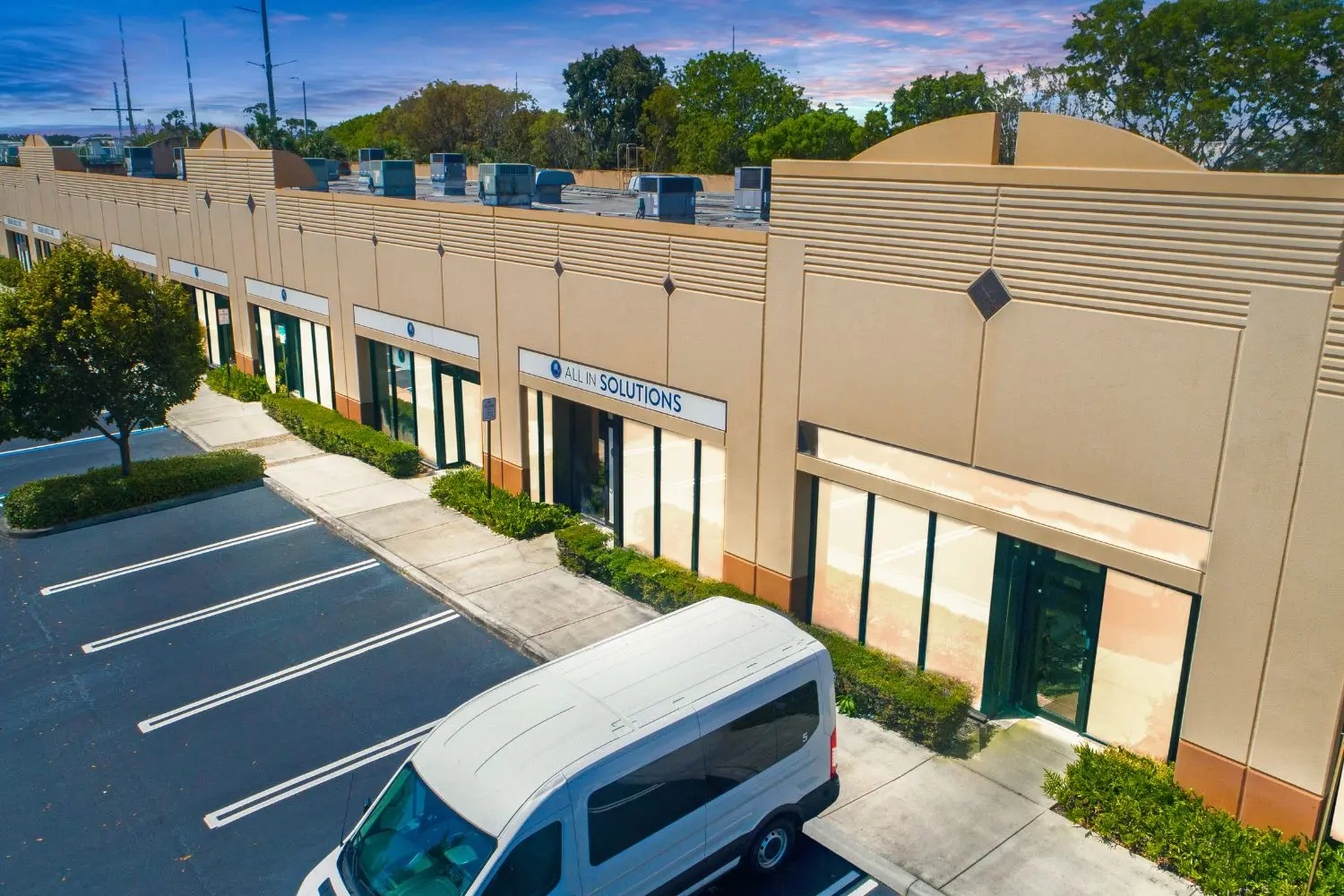
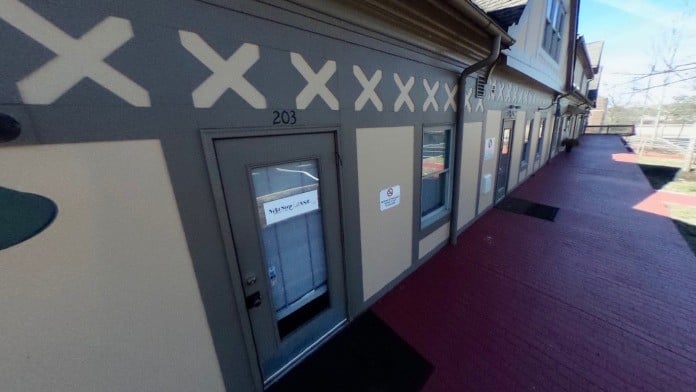
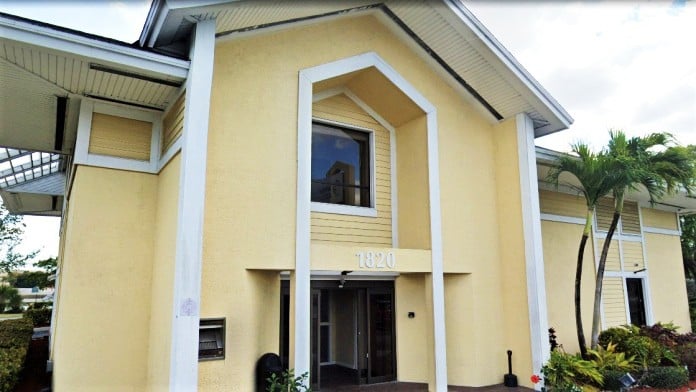
STEPS (Specialized Treatment, Education, and Prevention Services, Inc.) is a women’s residential addiction treatment center in Apopka, Florida serving adults seeking recovery from substance use disorders and co-occurring mental health challenges.
The program offers a unique family centered model that allows mothers to keep their infants and small children with them during residential treatment.
Treatment for Mothers and Priority for Pregnancy
Medication assisted treatment uses naltrexone, buprenorphine, or methadone combined with counseling and behavioral therapies. Treatment includes individual therapy, group therapy, family counseling, and couples therapy.
Evidence based modalities used are cognitive behavioral therapy, motivational interviewing, network therapy, and family intervention. STEPS addresses dual diagnosis by integrating mental health services, medication management, and relapse prevention into each client’s care plan, with priority admission for pregnant clients and those who inject drugs.
Quick Facts About STEPS Women’s Residential Program
Level of care: Women’s residential substance use treatment with MAT
Who they treat: Adult women, pregnant and postpartum women, and mothers with infants or small children
Approach: Person centered, trauma informed care with evidence based therapies and medication management for dual diagnosis
Payment options: Medicaid, Sunshine Health, United Healthcare, Cigna, Optum, Aetna, UMR, Oscar, and sliding scale assistance
Accreditation: CARF accredited and Florida state licensed
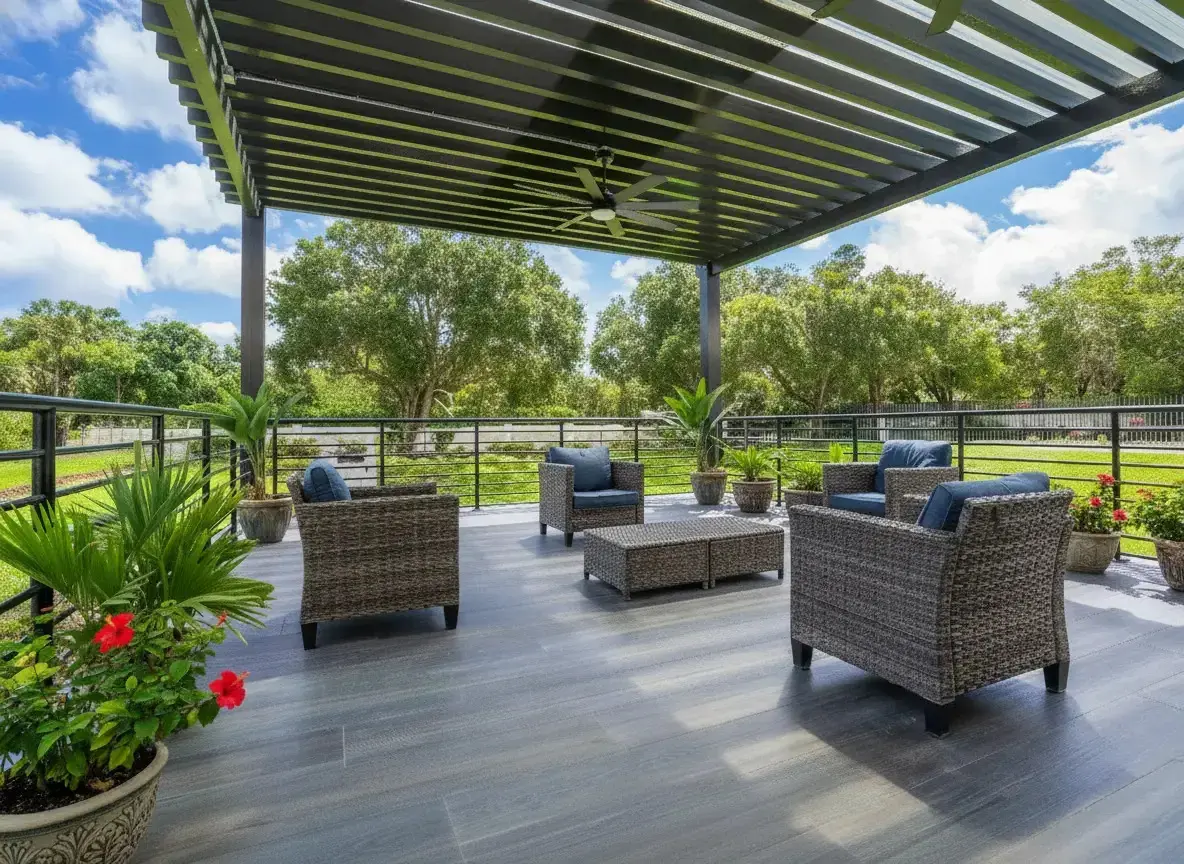
Amenities: Family friendly residential setting allowing children to remain with mothers during treatment
Scoring is assigned by a proprietary system which helps surface key metrics that determine quality. The 10-point scale factors in categories such as operations, customer satisfaction, and trust metrics. Read Full Methodology
6.5 / 10
Location
Other Forms of Payment
Private insurance refers to any kind of healthcare coverage that isn't from the state or federal government. This includes individual and family plans offered by an employer or purchased from the Insurance Marketplace. Every plan will have different requirements and out of pocket costs so be sure to get the full details before you start treatment.
Self-pay involves paying for treatment out of your own pocket. You can use savings or credit, get a personal loan, or receive help from family and friends to fund your treatment. If you don't have insurance or your insurance plan doesn't cover a specific program, self-pay can help ensure you still get the care you need.
Financial aid can take many forms. Centers may have grants or scholarships available to clients who meet eligibility requirements. Programs that receive SAMHSA grants may have financial aid available for those who need treatment as well. Grants and scholarships can help you pai for treatment without having to repay.
Sliding scale payments are based on a client's income and family size. The goal is to make treatment affordable to everyone. By taking these factors into account, addiction recovery care providers help ensure that your treatment does not become a financial burden to you or your family, eliminating one barrier to care.
Medicare is a federal program that provides health insurance for those 65 and older. It also serves people under 65 with chronic and disabling health challenges. To use Medicare for addiction treatment you need to find a program that accepts Medicare and is in network with your plan. Out of pocket costs and preauthorization requirements vary, so always check with your provider.
Medicaid is a state based program that helps lower-income individuals and families pay for healthcare. Medicaid covers addiction treatment so those enrolled can use their coverage to pay for rehab. When a program accepts Medicaid the client often pays very little or nothing out of their own pocket.
Military members, veterans, and eligible dependents have access to specific insurance programs that help them get the care they need. TRICARE and VA insurance can help you access low cost or no cost addiction and mental health treatment. Programs that accept military insurance often have targeted treatment focused on the unique challenges military members, veterans, and their families face.
Addiction Treatments
Levels of Care
The Adult Outpatient Programs (Orange, Brevard and Seminole Counties) provide evidence-based substance abuse counseling and educational services to adults. This includes a specialized group for pregnant and post-partum women. Referrals are accepted from various sources including the Florida Department of Corrections, county probation, the Florida Safety Council, pain clinics, Community Based Care (CBC), Family Intervention Services (FIS), Devereux, Children’s Home Society and self-referrals.
Clients typically choose inpatient rehab when they are in early recovery or are experiencing a crisis that puts them at an increased risk of relapse. They reside at the treatment center for the length of their program, which may range from two weeks to more than 18 months, depending on the program design. Intensive psychotherapy is often the primary treatment modality, but clients in inpatient care may also receive holistic treatment and recovery-focused life skills training.
Intensive Outpatient Programs (IOP) are for those who want or need a very structured treatment program but who also wish to live at home and continue with certain responsibilities (such as work or school). IOP substance abuse treatment programs vary in duration and intensity, and certain outpatient rehab centers will offer individualized treatment programs.
Rehab aftercare programs are a collection of highly individualized services designed to promote long-term recovery. These services evolve as your needs change. Case managers and recovery teams typically begin formulating the rehab aftercare service plan early in the recovery process to facilitate your reintegration back into the home, workplace, and community.
12 step programs support recovery through emotional, psychological, and spiritual development to address the root causes of addiction. These programs are peer directed, with participants regularly attending 12 step meetings, which are anonymous, free, and accessible day and night, year-round. Recovery is based on "working the steps" to understand the source of addiction, take accountability for one's life choices, and relinquish control for that which cannot be changed. Age-specific, gender-separate, and other specialized programs are widely available.
Sober Living Houses (SLHs), aka sober homes or halfway houses, are safe, substance-free, supportive living facilities for those recovering from substance abuse. Ideal for those who've just been through inpatient or outpatient treatment, SLHs are supervised environments with rules that support sobriety, such as curfews, shared chores, and therapeutic meetings. Residents are also often trained on life skills and coping skills to make it easier to transition into society. SLHs also provide a strong sense of community that can lead to the kind of deep and lasting connections with other sober individuals that supports a new, healthy lifestyle.
If a person with a substance use disorder continually denies their problem or refuses to get treatment, a drug intervention in Florida may be necessary. Intervention services can help mediate the intervention by providing an addiction expert. This professional can de-escalate situations and facilitate a healthier discussion between the individual and their loved ones. Specialists can also help families handle issues they don't know how to navigate on their own.
24-hour clinical care in Florida is an essential part of treatment, particularly with medical detox. Withdrawal symptoms can be severe, and supervised detox provides around the clock access to medical professionals who can adminsiter proper medications and treatment to address these symptoms and step in should an emergency occur. This intensive clinical care will help curb the withdrawal effects, minimize substance dependence, and prepare you for the next step of treatment.
The first step of the recovery process involves the removal of all drugs and alcohol from your system while under 24/7 medical supervision. Known as a medically assisted detox, you are closely monitored by medical staff who can provide medications, if necessary, to help alleviate any potential withdrawal symptoms. Medical detox is usually followed by a period of inpatient addiction treatment.
Treatments
The goal of treatment for alcoholism is abstinence. Those with poor social support, poor motivation, or psychiatric disorders tend to relapse within a few years of treatment. For these people, success is measured by longer periods of abstinence, reduced use of alcohol, better health, and improved social functioning. Recovery and Maintenance are usually based on 12 step programs and AA meetings.
Drug rehab in Florida provides quality treatment to help individuals overcome dependency related to a wide range of addictive substances. Programs address both the physical and mental aspects of addiction in order to help you make a full recovery.
Many of those suffering from addiction also suffer from mental or emotional illnesses like schizophrenia, bipolar disorder, depression, or anxiety disorders. Rehab and other substance abuse facilities treating those with a dual diagnosis or co-occurring disorder administer psychiatric treatment to address the person's mental health issue in addition to drug and alcohol rehabilitation.
Opioid rehabs specialize in supporting those recovering from opioid addiction. They treat those suffering from addiction to illegal opioids like heroin, as well as prescription drugs like oxycodone. These centers typically combine both physical as well as mental and emotional support to help stop addiction. Physical support often includes medical detox and subsequent medical support (including medication), and mental support includes in-depth therapy to address the underlying causes of addiction.
Substance rehabs focus on helping individuals recover from substance abuse, including alcohol and drug addiction (both illegal and prescription drugs). They often include the opportunity to engage in both individual as well as group therapy.
Programs
Adult rehab programs include therapies tailored to each client's specific needs, goals, and recovery progress. They are tailored to the specific challenges adult clients may face, including family and work pressures and commitments. From inpatient and residential treatment to various levels of outpatient services, there are many options available. Some facilities also help adults work through co-occurring conditions, like anxiety, that can accompany addiction.
Young adulthood can be an exciting, yet difficult, time of transition. Individuals in their late teens to mid-20s face unique stressors related to school, jobs, families, and social circles, which can lead to a rise in substance use. Rehab centers with dedicated young adult programs will include activities and amenities that cater to this age group, with an emphasis on specialized counseling, peer socialization, and ongoing aftercare.
Recovery is most successful when clients feel accepted and validated by their peers and treatment providers. Facilities that offer LGBTQ-inclusive programming are committed to creating a safe space where everyone can grow and recover without fear of judgment or discrimination. They will have dedicated policies in place to create a safe and supportive environment that fosters free expression.
Serving in the military is both mentally and physically challenging, and can result in trauma that persists even after combat ends. Military programs are tailored to the specific and often complex needs of active duty personnel, veterans, and military families. Clients often access these programs through the U.S. Department of Veterans Affairs (VA).
Clinical Services
Therapists who apply cognitive behavioral therapy in Florida believe patient thoughts and behaviors are closely linked. They use this treatment method to help clients change their thought patterns so they can also change behaviors and break free from substance abuse.
Group therapy is any therapeutic work that happens in a group (not one-on-one). There are a number of different group therapy modalities, including support groups, experiential therapy, psycho-education, and more. Group therapy involves treatment as well as processing interaction between group members.
In individual therapy, a patient meets one-on-one with a trained psychologist or counselor. Therapy is a pivotal part of effective substance abuse treatment, as it often covers root causes of addiction, including challenges faced by the patient in their social, family, and work/school life.
As a short term therapeutic method, motivational interviewing in Florida requires only a couple of sessions. During these sessions, you'll have the opportunity to talk about your circumstances and any discrepancies between your current situation and future goals. You'll then decide for yourself what changes you want to make.
Trauma therapy addresses traumatic incidents from a client's past that are likely affecting their present-day experience. Trauma is often one of the primary triggers and potential causes of addiction, and can stem from child sexual abuse, domestic violence, having a parent with a mental illness, losing one or both parents at a young age, teenage or adult sexual assault, or any number of other factors. The purpose of trauma therapy is to allow a patient to process trauma and move through and past it, with the help of trained and compassionate mental health professionals.
During couples therapy in Florida, your therapist will take steps to get to know you, help you identify feelings, explore the past, develop solutions, and help you learn skills to manage relationship challenges. This process will allow you to work through conflict and strengthen your relationship.
Research clearly demonstrates that recovery is far more successful and sustainable when loved ones like family members participate in rehab and substance abuse treatment. Genetic factors may be at play when it comes to drug and alcohol addiction, as well as mental health issues. Family dynamics often play a critical role in addiction triggers, and if properly educated, family members can be a strong source of support when it comes to rehabilitation.
Amenities
Private Transportation
Residential Setting
Private Rooms
Accreditations
The Substance Abuse and Mental Health Services Administration (SAMHSA) is a branch of the U.S. Department of Health and Human Services. Established in 1992 by congress, SAMHSA's mission is to reduce the impact of substance abuse and mental illness on American's communities.
SAMHSA Listed: Yes
The Commission on Accreditation of Rehabilitation Facilities (CARF) is a non-profit organization that specifically accredits rehab organizations. Founded in 1966, CARF's, mission is to help service providers like rehab facilities maintain high standards of care.
CARF Accreditation: Yes
State Licenses are permits issued by government agencies that allow rehab organizations to conduct business legally within a certain geographical area. Typically, the kind of program a rehab facility offers, along with its physical location, determines which licenses are required to operate legally.
State License: Florida
Rehab.com regularly reviews this listing for accuracy but changes may occur between updates. For the most up-to-date information, please contact STEPS.
I was personally a resident there, they are a total joke they fire all the good staff because of chain of command and it shows with the amount of people that have graduated in overdosed and died but if you don't graduate you're not going to make it. Yeah that's a lie too the ...
Read More
Kayla R.
Reviewed on 2/4/2024
Staff
1
Amenities
1
Meals
1
Value
1
Cleanliness
1
5
I went to STEPS in Apopka in July of 2017 and graduated in November 2017. It is now 2023 and I am still sober today because of this place. Many women that went there at the same time as me are still sober today as well. I highly recommend this inpatient program to anyone tha ...
Read More
Reviewed on 2/28/2023
2.5
Well, I hope these reviews I'm reading is just the pones that they could not help. I have a friend there right now, as a matter of fact, we rode a bike to my house so if you read this you know who you are, but anyway i hope these people get her the help she needs, I contacte ...
Read More
I was only able to stay at this facility for 2 weeks because it was impossible to reach my psychiatrist and see the status of my meds at Walgreens without my cell phone. Also, they don’t allow benzodiazepines and I take clonopin for my PTSD breakdowns. I tried weaning off, but I started having panic attacks.
I’m very grateful for Steps though. Was able to get clean from marijuana and situation was so uncomfortable that I am never using again! I’m very thankful for Miss Sophie, Miss J, and counselor Miss Alex for their support and care. Thank you Miss Sarah for giving me a chance. I didn’t graduate, but I feel so much more stable, confident, and happy to be sober. God bless all the mothers and newborns at Steps! Praying for all my friends and peers I was blessed to meet and get to know 💜
Emily Garcia
7 months ago
1
I am writing to formally report STEPS IN APOPKA ] for systemic misconduct and unethical treatment of residents. During my time at this facility, I witnessed and experienced several grave violations of professional standards, including:
Professional Malpractice: The facility manager, Jeannette, explicitly stated to multiple residents that she "does not care about patient relapse" as it ensures "job security." This mindset creates a predatory environment that is fundamentally opposed to the mission of a recovery center.
Theft and Misappropriation of Property: Personal belongings, including hygiene products and cigarettes, were confiscated and/or disposed of without cause or reimbursement, despite prior approval upon intake.
Financial Irregularities: There are significant concerns regarding the management of SNAP benefits. With approximately 80 women receiving $300 in benefits monthly, the facility handles roughly $24,000 in food funding; however, the resources provided to the clients do not reflect this amount, suggesting potential SNAP fraud.
You need actual therapy after getting out of this place.
The manager JEANETTE SAID THIS TO MULTIPLE PEOPLE IN THE FACILITY
No one should be told their "relapse is job security." That statement alone is a massive red flag for any oversight board.
Savannah Oram
10 months ago
5
THIS PLACED SAVED MY LIFE. It works if you work it! You have to be willing to do the work ❤️ today I’m 5.5 years sober all thanks to this facility.
By calling the helpline you agree to the terms of use. We do not receive any commission or fee that is dependent upon which treatment provider a caller chooses. There is no obligation to enter treatment.
Calls to numbers on a specific treatment center listing will be routed to that treatment center. Calls to any general helpline could be forwarded to SAMHSA or a verified treatment provider.
If you wish to connect with non-sponsor centers, you can browse top-rated listings, visit our homepage and browse by state, or visit SAMHSA.

 Sponsored Helpline





























































































 91+
91+ 





 Private Transportation
  Residential Setting
  Private Rooms