










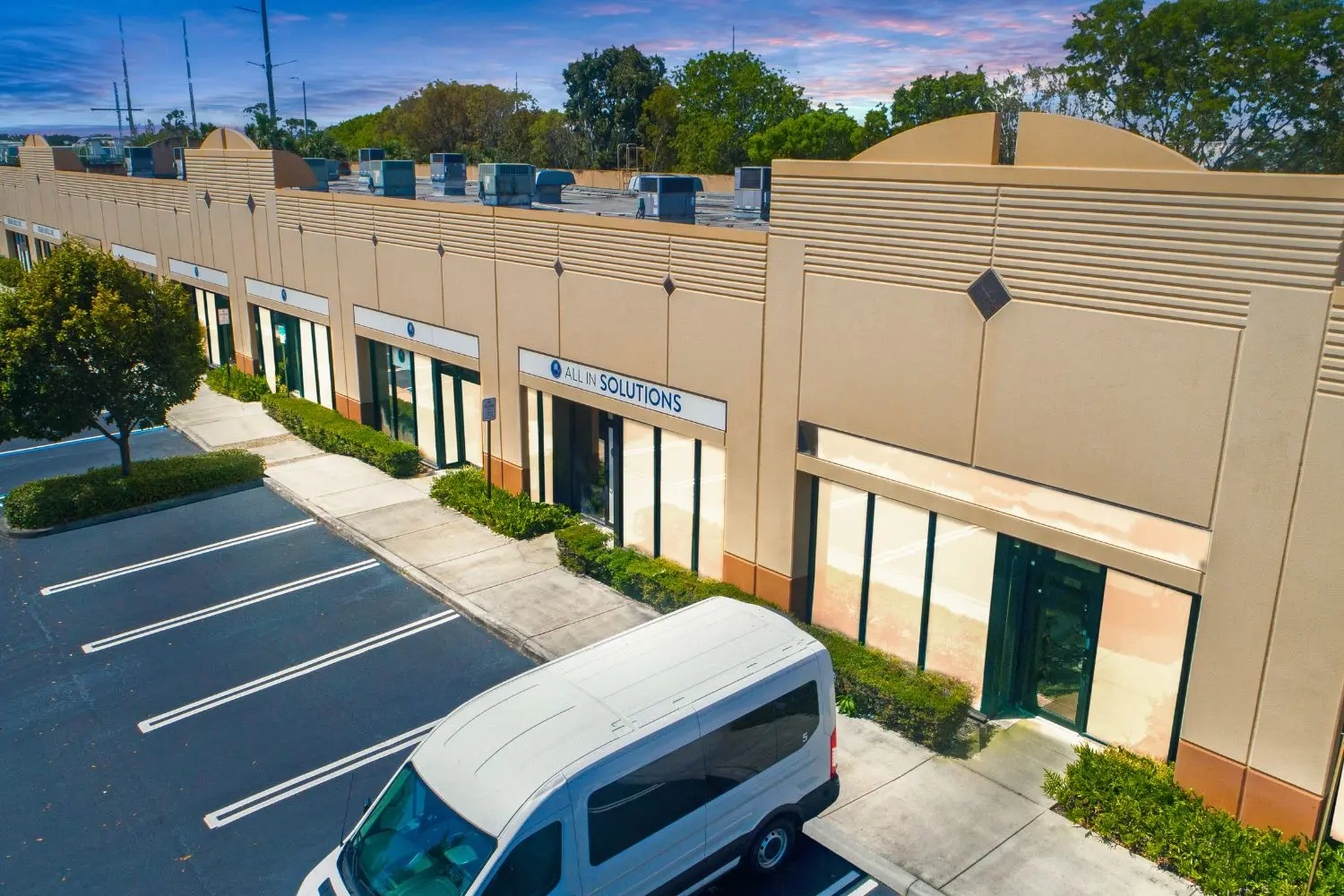
All In Solutions Counseling Center
1
Top 10 Rehab Centers In Boynton Beach



















































































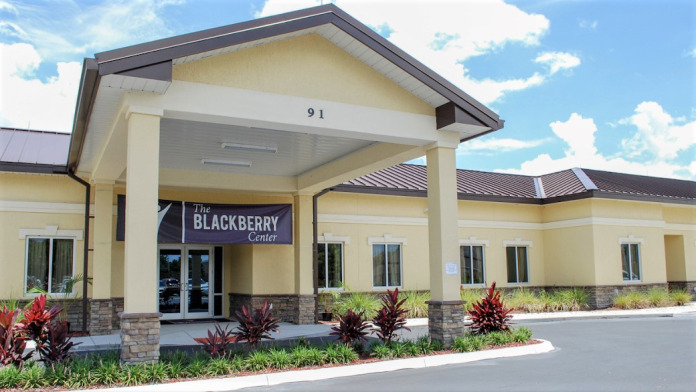
The Blackberry Center offers numerous holistic therapeutic approaches that address all aspects of addiction. At this drug rehab center, individuals can expect to receive comprehensive recovery methods that get to the bottom of addiction and substance abuse disorders. To learn about the addiction programs offered at The Blackberry Center, read below:
Addiction treatment specialists will evaluate those who are admitted to the inpatient treatment program at The Blackberry Center. These specialists create customized detox plans and treatment programs depending on an individual’s needs.
During the duration of this program, clients can expect 24 hour care in a comfortable setting that promotes positive healing and recovery. Some of the services individuals can expect include faith based recovery programming (optional), medically supported maintenance care, and cognitive behavioral therapy.
Other services include skills building, relapse prevention therapy, group and individual counseling, nutrition education, and 12 step programs.
At this addiction treatment center, individuals can enroll in either a drug or alcohol detox treatment program. This program offers a 24 hour nursing staff led by a physician with the knowledge and skills needed to help those experiencing drug or alcohol withdrawal and cravings. During this detox program, individuals will be safe, and those eligible will be medically assisted with FDA approved medications.
 64
64 
 Our Methodology


Private insurance refers to any kind of healthcare coverage that isn't from the state or federal government. This includes individual and family plans offered by an employer or purchased from the Insurance Marketplace. Every plan will have different requirements and out of pocket costs so be sure to get the full details before you start treatment.
Self-pay involves paying for treatment out of your own pocket. You can use savings or credit, get a personal loan, or receive help from family and friends to fund your treatment. If you don't have insurance or your insurance plan doesn't cover a specific program, self-pay can help ensure you still get the care you need.
Medicare is a federal program that provides health insurance for those 65 and older. It also serves people under 65 with chronic and disabling health challenges. To use Medicare for addiction treatment you need to find a program that accepts Medicare and is in network with your plan. Out of pocket costs and preauthorization requirements vary, so always check with your provider.
Military members, veterans, and eligible dependents have access to specific insurance programs that help them get the care they need. TRICARE and VA insurance can help you access low cost or no cost addiction and mental health treatment. Programs that accept military insurance often have targeted treatment focused on the unique challenges military members, veterans, and their families face.
Medicaid is a state based program that helps lower-income individuals and families pay for healthcare. Medicaid covers addiction treatment so those enrolled can use their coverage to pay for rehab. When a program accepts Medicaid the client often pays very little or nothing out of their own pocket.
Outpatient Programs (OP) are for those seeking mental rehab or drug rehab, but who also stay at home every night. The main difference between outpatient treatment (OP) and intensive outpatient treatment (IOP) lies in the amount of hours the patient spends at the facility. Most of the time an outpatient program is designed for someone who has completed an inpatient stay and is looking to continue their growth in recovery. Outpatient is not meant to be the starting point, it is commonly referred to as aftercare.
Residential treatment programs are those that offer housing and meals in addition to substance abuse treatment. Rehab facilities that offer residential treatment allow patients to focus solely on recovery, in an environment totally separate from their lives. Some rehab centers specialize in short-term residential treatment (a few days to a week or two), while others solely provide treatment on a long-term basis (several weeks to months). Some offer both, and tailor treatment to the patient's individual requirements.
Rehab aftercare programs are a collection of highly individualized services designed to promote long-term recovery. These services evolve as your needs change. Case managers and recovery teams typically begin formulating the rehab aftercare service plan early in the recovery process to facilitate your reintegration back into the home, workplace, and community.
Sober Living Houses (SLHs), aka sober homes or halfway houses, are safe, substance-free, supportive living facilities for those recovering from substance abuse. Ideal for those who've just been through inpatient or outpatient treatment, SLHs are supervised environments with rules that support sobriety, such as curfews, shared chores, and therapeutic meetings. Residents are also often trained on life skills and coping skills to make it easier to transition into society. SLHs also provide a strong sense of community that can lead to the kind of deep and lasting connections with other sober individuals that supports a new, healthy lifestyle.
Intervention services helps family or friends of addicts stage an intervention, which is a meeting in which loved ones share their concerns and attempt to get an addict into treatment. Professional intervention specialists can help loved ones organize, gather, and communicate with an addict. They can guide intervention participants in describing the damage the addict's behavior is causing and that outside help is necessary to address the addiction. The ideal outcome of an intervention is for the addict to go to rehab and get the help they need.
Drug and alcohol addiction often takes a heavy toll on one's body. Over time, a physical dependence can develop, meaning the body physiologically needs the substance to function. Detox is the process of removing drugs and/or alcohol from the body, a process that can be lethal if mismanaged. Medical detox is done by licensed medical professionals who monitor vital signs and keep you safe, healthy, and as comfortable as possible as you go through detox and withdrawal.
Often referred to as "day treatment," a partial hospitalization program (PHP) offers an intensive treatment option that allows individuals to return home at night. PHP treatment typically requires a minimum of 20 hours a week for an average of 90 days. Participants attend daily therapeutic sessions, receive medication management, and have access to skilled medical professionals. While costs can vary, most insurance will fully or partially cover a partial hospitalization program.
The goal of treatment for alcoholism is abstinence. Those with poor social support, poor motivation, or psychiatric disorders tend to relapse within a few years of treatment. For these people, success is measured by longer periods of abstinence, reduced use of alcohol, better health, and improved social functioning. Recovery and Maintenance are usually based on 12 step programs and AA meetings.
Drug rehab in Florida provides quality treatment to help individuals overcome dependency related to a wide range of addictive substances. Programs address both the physical and mental aspects of addiction in order to help you make a full recovery.
Many of those suffering from addiction also suffer from mental or emotional illnesses like schizophrenia, bipolar disorder, depression, or anxiety disorders. Rehab and other substance abuse facilities treating those with a dual diagnosis or co-occurring disorder administer psychiatric treatment to address the person's mental health issue in addition to drug and alcohol rehabilitation.
Opioid rehabs specialize in supporting those recovering from opioid addiction. They treat those suffering from addiction to illegal opioids like heroin, as well as prescription drugs like oxycodone. These centers typically combine both physical as well as mental and emotional support to help stop addiction. Physical support often includes medical detox and subsequent medical support (including medication), and mental support includes in-depth therapy to address the underlying causes of addiction.
Substance rehabs focus on helping individuals recover from substance abuse, including alcohol and drug addiction (both illegal and prescription drugs). They often include the opportunity to engage in both individual as well as group therapy.
Adult rehab programs include therapies tailored to each client's specific needs, goals, and recovery progress. They are tailored to the specific challenges adult clients may face, including family and work pressures and commitments. From inpatient and residential treatment to various levels of outpatient services, there are many options available. Some facilities also help adults work through co-occurring conditions, like anxiety, that can accompany addiction.
Young adulthood can be an exciting, yet difficult, time of transition. Individuals in their late teens to mid-20s face unique stressors related to school, jobs, families, and social circles, which can lead to a rise in substance use. Rehab centers with dedicated young adult programs will include activities and amenities that cater to this age group, with an emphasis on specialized counseling, peer socialization, and ongoing aftercare.
Therapists who apply cognitive behavioral therapy in Florida believe patient thoughts and behaviors are closely linked. They use this treatment method to help clients change their thought patterns so they can also change behaviors and break free from substance abuse.
Dialectical behavior therapy in Florida consists of individual therapy and group instruction. This structured program is a form of psychotherapy that incorporates the development of skills for managing emotions and relationships.
Group therapy is any therapeutic work that happens in a group (not one-on-one). There are a number of different group therapy modalities, including support groups, experiential therapy, psycho-education, and more. Group therapy involves treatment as well as processing interaction between group members.
In individual therapy, a patient meets one-on-one with a trained psychologist or counselor. Therapy is a pivotal part of effective substance abuse treatment, as it often covers root causes of addiction, including challenges faced by the patient in their social, family, and work/school life.
Trauma therapy helps you work through the psychological impact that traumatic events have had on your life. Your therapist helps you identify the physical, emotional, and mental triggers and develop coping mechanisms. This helps rebuild a sense of safety and trust in yourself and others.
Whether a marriage or other committed relationship, an intimate partnership is one of the most important aspects of a person's life. Drug and alcohol addiction affects both members of a couple in deep and meaningful ways, as does rehab and recovery. Couples therapy and other couples-focused treatment programs are significant parts of exploring triggers of addiction, as well as learning how to build healthy patterns to support ongoing sobriety.
Research clearly demonstrates that recovery is far more successful and sustainable when loved ones like family members participate in rehab and substance abuse treatment. Genetic factors may be at play when it comes to drug and alcohol addiction, as well as mental health issues. Family dynamics often play a critical role in addiction triggers, and if properly educated, family members can be a strong source of support when it comes to rehabilitation.
Life skills are the core skills you need for daily success. They can include self care, stress management, daily routines, and emotion control. Rehab treatment includes the development of these skills so you have the tools you need for long term recovery.
Substance abuse creates biochemical imbalances in your body and brain. By implementing dietary changes, you can restore that balance. This is the goal of nutrition therapy in Florida. You'll gain an understanding of what nutrients your body needs and learn best self care practices.
One benefit of nicotine replacement therapy (NRT) in Florida is variety. NRT comes in multiple forms that you can use in different ways. This allows you to choose the form that works best with your needs and lifestyle. Your options include gum, patches, inhalers, and prescription medication.
Recreational therapy helps you recover from addiction by giving you structured activities that promote your physical health and mental well being. These activities could range from sports and fitness to creative arts and provide a constructive outlet for your emotions and stress.
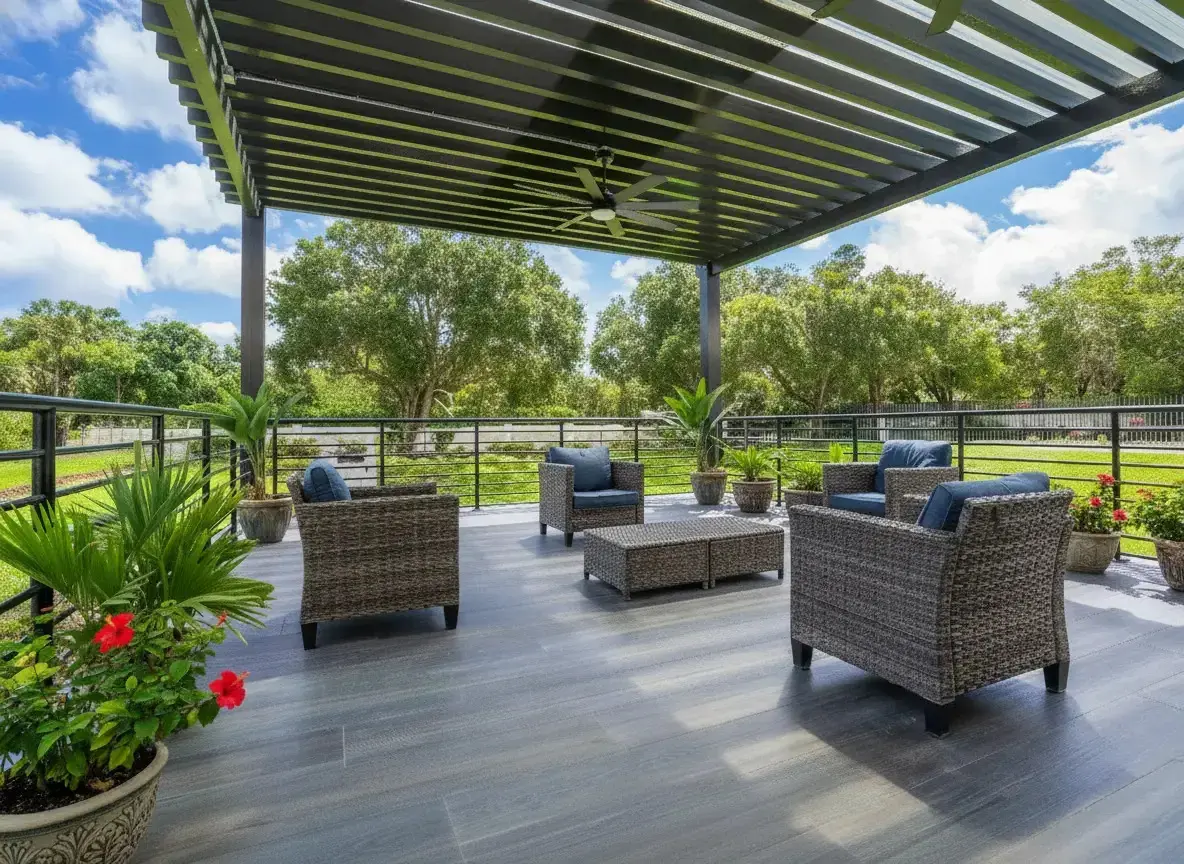
 Private Setting
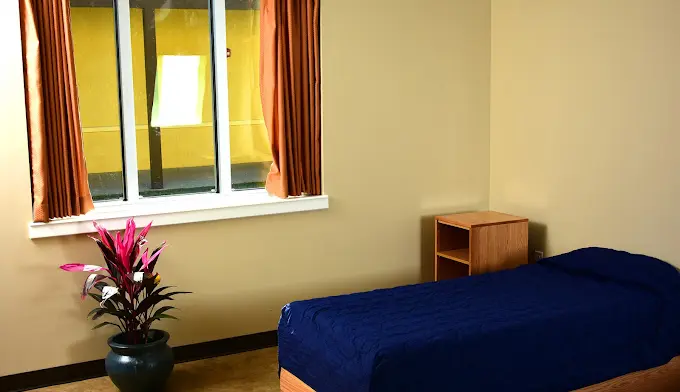
  Private Rooms
Psychiatrist
Psychiatrist
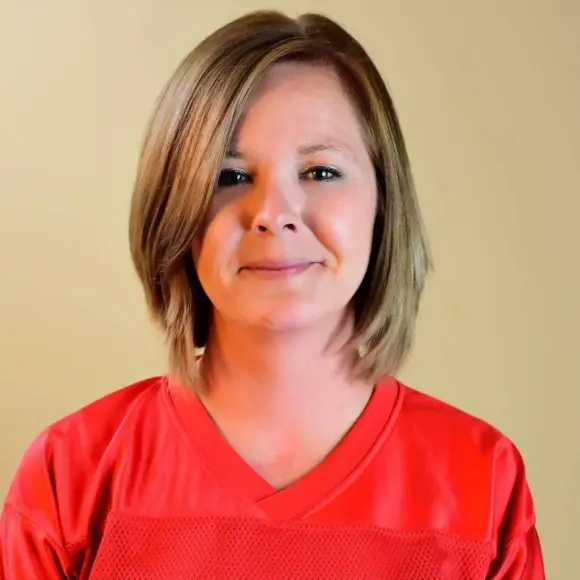
Admissions Specialist
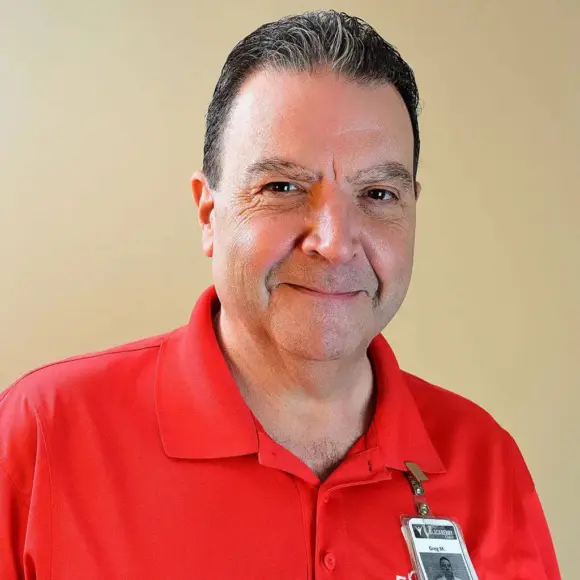
Admissions Specialist
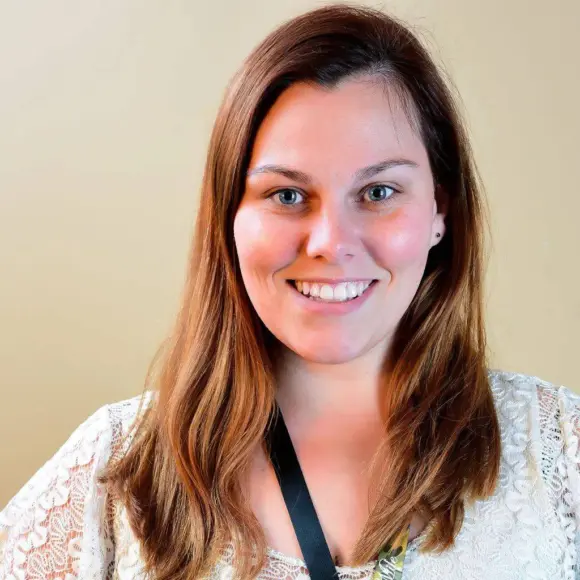
Admissions Specialist

The Joint Commission, formerly known as JCAHO, is a nonprofit organization that accredits rehab organizations and programs. Founded in 1951, the Joint Commision's mission is to improve the quality of patient care and demonstrating the quality of patient care.
Joint Commission Accreditation: Yes
Accreditation Number: 556119

LegitScript has reviewed The Blackberry Center as part of their certification program, and has determined that it meets the LegitScript standards for legality, safety and transparency.
LegitScript verified in
Rehab.com regularly reviews this listing for accuracy but changes may occur between updates. For the most up-to-date information, please contact The Blackberry Center.

91 Beehive Circle Dr.
Saint Cloud, FL 34769
Sponsored Helpline

On 9/16/2026, I was admitted to The Blackberry Center specifically to be treated for anxiety—I did not go there for substance detox. Despite this, and already upon admission, my treatment plan involved an abrupt and inappropriate medication change that severely impacted my health. Overnight, I was switched from my long half-life benzodiazepine, Klonopin (1 mg), to a short half-life benzodiazepine, Ativan (3 x 0.5 mg, totaling 1.5 mg). This failed to account for proper clinical equivalency, as the established equivalence ratio of Klonopin to Ativan is 1:2, not 1:1. Replacing 1 mg of Klonopin with only 1.5 mg of short-acting Ativan represented a significant dose reduction and a drastic shift in half-life, triggering immediate physical distress. For the entire three weeks I was an inpatient at the center, I suffered continuous withdrawal symptoms. I saw the doctor every single day and explicitly told him about my steadily increasing anxiety. Multiple witnesses observed my physical instability, including my hands shaking visibly while I was trying to eat breakfast in the cafeteria. When I showed the doctor my tremors, my concerns were dismissed, and he gave me only propranolol rather than correcting the medication regimen. The mismanagement continued right through discharge. Because my pharmacy could not fill the script on the same day, I asked Bello, the staff member who prepared the discharging papers, if they could provide a few days' worth of medication to tide me over. Bello refused, stating that facility policy was to provide written scripts only. Bello then instructed me to take the remaining Klonopin I had brought with me—the exact same Klonopin they had spent three weeks detoxing me from. and throwing me into withdrawal. At the time, I did not know the dosage equivalence between Ativan and Klonopin. Upon arriving home, the withdrawals continued unabated. Ativan's effects last only about 3 hours in my system, leaving me with severe ongoing withdrawal symptoms, including body tremors, neck constriction, and overwhelming anxiety. On 9/10/26 I called Blackberry in distress to report that I was experiencing severe withdrawal due to the treatment I received under their care. I spoke with Kim Santiago, the Director of Nursing. She informed me that they could not do anything for me, stating that if I wanted treatment, I would have to speak with Admissions to check myself back in or otherwise go to an ER or speak to my psychiatrist. When I asked if they were washing their hands of responsibility for the withdrawal caused by their treatment, she simply repeated that I was no longer a patient. At a certain point, she said that she would end that call and hung up on me. The care I received at The Blackberry Center was unsafe, negligent, and improperly managed from admission through post-discharge.

They are not a psychiatric hospital; they are a detox clinic, as many others. If you are considering it for mental health treatment, then look ELSEWHERE. I checked in to treat anxiety and was put on an alcoholic detox protocol (I only found out later) When I arrived I was on long half-life benzo, and.was immediately switched to a much lower half-life benzo, much less potent than the one I was on. Withdrawal started on the third day and I still have tsymptoms after 3 weeks as an inpatient. My hands still shake uncontrollably. When I mentioned I was withdrawing from the more potent benzo, I was told that was not possible because I was on another benzo. But the equivalence between their potency is not 1:1. 0.5mg Klonopin is the equivalent to 1 mg Ativan. When I was prescribed an antidepressant, I asked the doctor which neurotransmitters that med affected, and the doctor could not answer. The phones are locked, so I could not do my own research. I have terrible anxiety on SSRI and SNRI. Techs, nurses, and therapists, with few exceptions are great. Special praises to Beth (I love you), Javier, Tyler, Melissa, Erik, Christina, Summer, Jason, Juliette, Josh, Will, Chanel, Maria, Nordia, Karmin, and Marvin. They go above and beyond. Thank you, Marvin, for the Recreation Therapy; your groups were the highlight of my days.

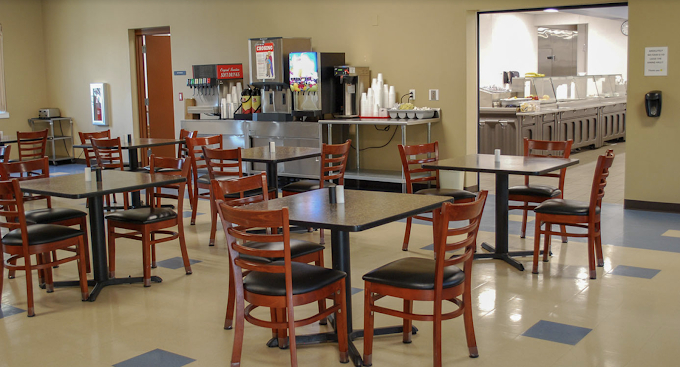
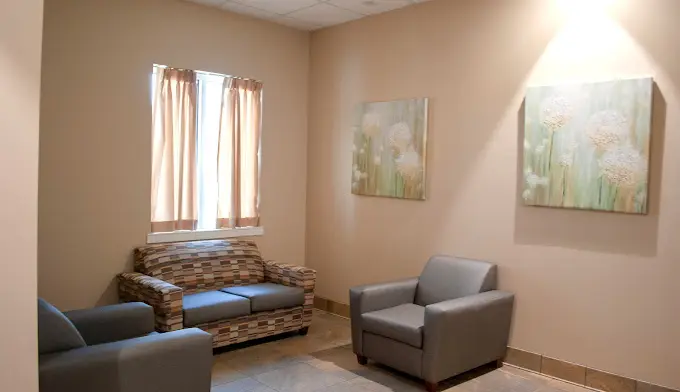
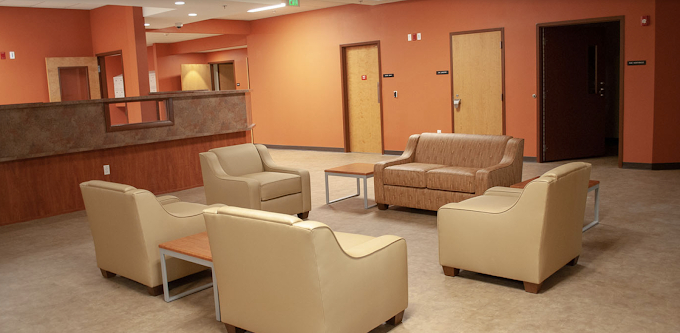
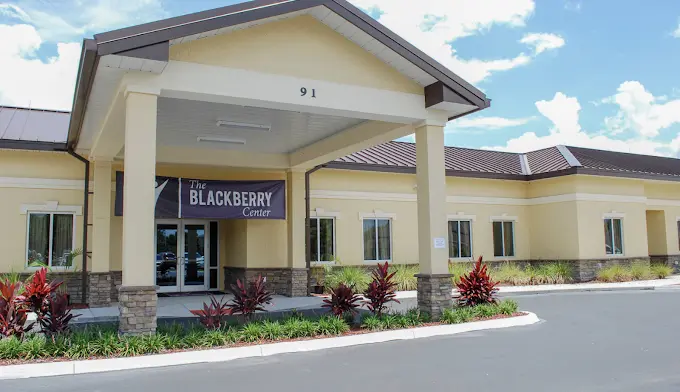
October 8th was my date of arrival to the 15th it was awful I was treated like I was garbage I was degraded by The staff I was Baker acted on the 10th from there because they felt intimidated by my height (6'3) I spent 4 days in a mental hospital in Kissimmee. I was transported there with one pair of clothes that I was wearing for 4 days I did not have any clothes to change out of. I was only allowed to wear the clothes that I had on for those 4 days they didn't bring me clothing to change into because they said I was a danger to myself and others which is a lie. They call theirself a rehab for alcohol and substance abuse I didn't get any rehab For for my situation I signed myself out on the 16th and will never go back. The pictures on the website are not what they look like inside. UPDATE It's been 7 months since I've been to this place and I just want to say I can do my own sobriety by myself I've been 287 days without alcohol. It's September 3rd 2025 I've been sober for 338 days I have 27 more days until I hit my 1-year the Blackberry Center couldn't do this for me I did it by myself and I'm proud of myself. UPDATE today is August 6 2026 It's been 11 months 3 days since my last update I am 675 days sober take that Blackberry Center you couldn't help me but I can help myself

This hospital, is midiocre, didn’t want to give help, in crisis, to my son , because, he was in another hospital, a week a go, I won’t suggest nobody waist there time😡 in take there family there.
 Back
Back
Sharing your insights and experiences can help others learn more about this rehab center.
 Written By: Jason Collins


