




























































































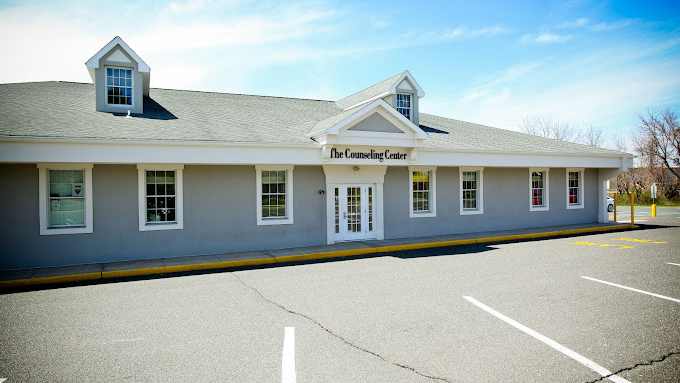
About The Counseling Center
Their addiction treatment is all inclusive. They provide morning and evening therapy options as well as flexible scheduling to fit your daily obligations to your family and job. They are on hand around the clock to provide assistance whenever you need it.
They understand that every patient’s journey is different, so their treatment plans are customized to meet your needs. These adaptable methods use individual, group and family therapy sessions to address all aspects of addiction and mental health conditions. Medication assisted treatment might be incorporated into your care to help reduce cravings so you can concentrate on getting better.
While pursuing your recovery goals you will learn coping mechanisms, get peer support, repair relationships and deal with mental health issues in their outpatient program. Their committed therapists use a range of techniques such as motivational interviewing and cognitive behavioral therapy to assist you in addressing the underlying causes of addiction in a private and encouraging environment.
They offer both substance abuse treatment and structured mental health counseling through their intensive outpatient program (IOP). This program is for people who have finished inpatient treatment but still want continuing assistance to stay sober. You will attend three weekly group therapy sessions and one individual session which will assist you in navigating substance use issues while juggling daily tasks.
Additionally they offer specialized care for teenagers 14 years of age and older. This treatment addresses the particular difficulties that teens encounter with addiction and mental health concerns. Young patients practice recognizing triggers, forming healthy habits and improving coping mechanisms in both individual and group sessions.
Latest Reviews


Your review is appreciated. We're delighted to hear about your positive experience at The Counseling Center At Freehold. Thank you for sharing your feedback.

Rehab Score
 Our Methodology


Gallery
Accepted Insurance

Other Forms of Payment
Private insurance refers to any kind of healthcare coverage that isn't from the state or federal government. This includes individual and family plans offered by an employer or purchased from the Insurance Marketplace. Every plan will have different requirements and out of pocket costs so be sure to get the full details before you start treatment.
Self-pay involves paying for treatment out of your own pocket. You can use savings or credit, get a personal loan, or receive help from family and friends to fund your treatment. If you don't have insurance or your insurance plan doesn't cover a specific program, self-pay can help ensure you still get the care you need.
Addiction Treatments
Levels of Care
An individual outpatient treatment program is available for those who continue beyond completion of the IOP program. Two sessions are available, for day and evening attendance. Outpatient programs are for those seeking mental rehab or drug rehab, but who also stay at home every night.
Intensive Outpatient Treatment (also known as IOP for "Intensive Outpatient Program") is a primary treatment program recommended in some circumstances by a clinical and medical assessment. IOP may be recommended for those who do not need medically-supervised detox. IOP can also enable people in recovery to continue their recovery therapies following successful detox, on a part-time yet intensive schedule, designed to accommodate work and family life.
12-step programs are addiction recovery models based on Alcoholics Anonymous (AA). The 12 Step approach to counseling is very effective, and forms the basis of peer support that has proven to be essential for successful recovery in many cases. Most of their individualized client treatment plans include participation in 12-step meetings.
Completing a drug or alcohol rehab program shouldn't spell the end of substance abuse treatment. Aftercare involves making a sustainable plan for recovery, including ongoing support. This can include sober living arrangements like halfway houses, career counseling, and setting a patient up with community programs like Alcoholics Anonymous (AA) or Narcotics Anonymous (NA).
Treatments
The goal of treatment for alcoholism is abstinence. Those with poor social support, poor motivation, or psychiatric disorders tend to relapse within a few years of treatment. For these people, success is measured by longer periods of abstinence, reduced use of alcohol, better health, and improved social functioning. Recovery and Maintenance are usually based on 12 step programs and AA meetings.
Drug rehab in New Jersey is the process of addressing the complex issues involved with addiction. Challenges are identified and addressed through individual and group counseling. Participants learn how to manage these issues without the use of substances.
Many of those suffering from addiction also suffer from mental or emotional illnesses like schizophrenia, bipolar disorder, depression, or anxiety disorders. Rehab and other substance abuse facilities treating those with a dual diagnosis or co-occurring disorder administer psychiatric treatment to address the person's mental health issue in addition to drug and alcohol rehabilitation.
A combined mental health and substance abuse rehab has the staff and resources available to handle individuals with both mental health and substance abuse issues. It can be challenging to determine where a specific symptom stems from (a mental health issue or an issue related to substance abuse), so mental health and substance abuse professionals are helpful in detangling symptoms and keeping treatment on track.
Opioid rehabs specialize in supporting those recovering from opioid addiction. They treat those suffering from addiction to illegal opioids like heroin, as well as prescription drugs like oxycodone. These centers typically combine both physical as well as mental and emotional support to help stop addiction. Physical support often includes medical detox and subsequent medical support (including medication), and mental support includes in-depth therapy to address the underlying causes of addiction.
Programs
Adult rehab programs include therapies tailored to each client's specific needs, goals, and recovery progress. They are tailored to the specific challenges adult clients may face, including family and work pressures and commitments. From inpatient and residential treatment to various levels of outpatient services, there are many options available. Some facilities also help adults work through co-occurring conditions, like anxiety, that can accompany addiction.
Young adulthood can be an exciting, yet difficult, time of transition. Individuals in their late teens to mid-20s face unique stressors related to school, jobs, families, and social circles, which can lead to a rise in substance use. Rehab centers with dedicated young adult programs will include activities and amenities that cater to this age group, with an emphasis on specialized counseling, peer socialization, and ongoing aftercare.
Clinical Services
Whether a marriage or other committed relationship, an intimate partnership is one of the most important aspects of a person's life. Drug and alcohol addiction affects both members of a couple in deep and meaningful ways, as does rehab and recovery. Couples therapy and other couples-focused treatment programs are significant parts of exploring triggers of addiction, as well as learning how to build healthy patterns to support ongoing sobriety.
Research has shown the individuals whose families are involved in treatment have a much better prognosis and a higher success rate. The Counseling Center at Fair Lawn will make a concerted effort to include family members in treatment whenever possible. The goal of the family education program is to provide family members with information and support that will assist clients in their recovery. A family education group will be held every week (typically Wednesday from 6:30 pm to 10:00 pm, but please check the schedule).
Group therapy is any therapeutic work that happens in a group (not one-on-one). At The Counseling Center, they seek to always run small group meetings of 10 people or less. They find that smaller groups are more comfortable for those participating and sharing, and allow for more careful review of important topics under discussion.
In individual therapy, a patient meets one-on-one with a trained psychologist or counselor. Therapy is a pivotal part of effective substance abuse treatment, as it often covers root causes of addiction, including challenges faced by the patient in their social, family, and work/school life.
Amenities
-
 Private Setting
Staff & Accreditations
Staff
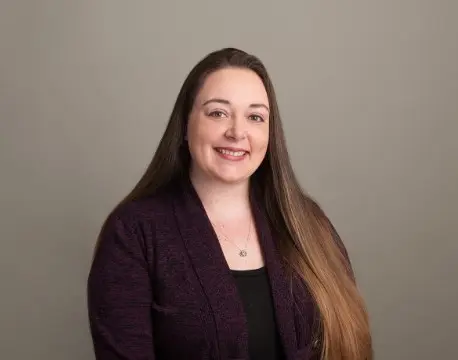
Brianne Downey, BA, CADC
Assessment Counselor
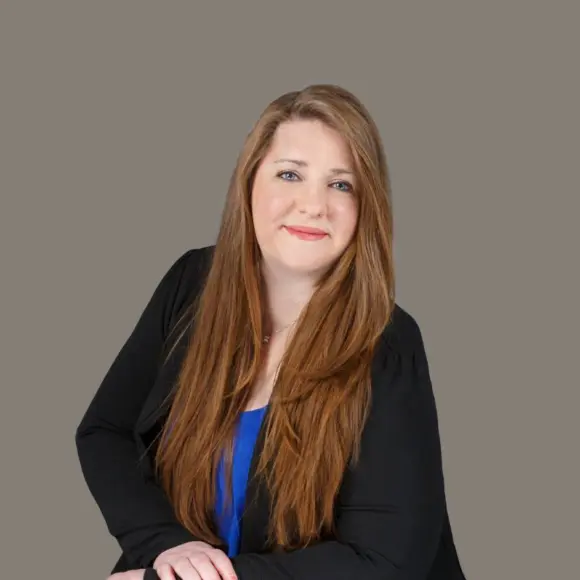
Alicia Jennings, MSW, LCSW, CCSWS, DRCC
Executive Director
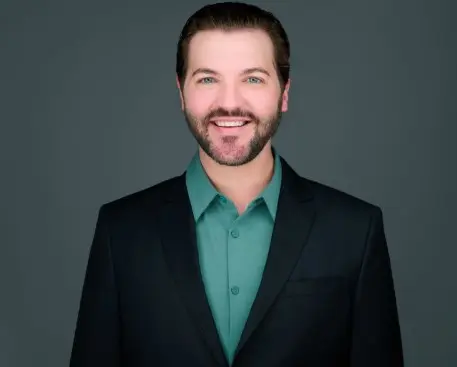
Christopher Rienas, Psychiatrist, M.D
Psychiatrist
Accreditations

The Joint Commission, formerly known as JCAHO, is a nonprofit organization that accredits rehab organizations and programs. Founded in 1951, the Joint Commision's mission is to improve the quality of patient care and demonstrating the quality of patient care.
Joint Commission Accreditation: Yes
Rehab.com regularly reviews this listing for accuracy but changes may occur between updates. For the most up-to-date information, please contact The Counseling Center.
Contact Information


4345 U.S. Highway 9 North
Freehold, NJ 07728
Sponsored Helpline



