Symetria — Hurst Outpatient Rehab & Suboxone Clinic
1
Top 10 Rehab Centers In Hurst



















































































 Claimed
If you’re looking for help that actually helps you, you’re in the right place. Our proven treatment options for alcohol, drug, and mental health issues are covered by insurance — backed by the highest accreditation in healthcare and hundreds of positive reviews online.


 Our Methodology







Private insurance refers to any kind of healthcare coverage that isn't from the state or federal government. This includes individual and family plans offered by an employer or purchased from the Insurance Marketplace. Every plan will have different requirements and out of pocket costs so be sure to get the full details before you start treatment.
Self-pay involves paying for treatment out of your own pocket. You can use savings or credit, get a personal loan, or receive help from family and friends to fund your treatment. If you don't have insurance or your insurance plan doesn't cover a specific program, self-pay can help ensure you still get the care you need.
24-hour clinical care in Oklahoma is highly recommended for those beginning recovery. As your body detoxes, withdrawal from substances such as alcohol, benzos, and opiates can cause severe physical symptoms. Health risks include seizures, hallucinations, heart palpitations, and severe dehydration. A clinical setting offers 24/7 medical care to treat these symptoms and make the detox process more comfortable.
The safest way to remove addictive substances from your body after you've become physically dependent is through a medically assisted detox. Usually performed in an inpatient setting, a team of licensed medical professionals are tasked with monitoring your health and helping to minimize the risks and physical discomfort caused by withdrawal symptoms. Medically assisted detox is often the first step in the recovery process. After your body is safely free of substances, you'll likely transition to an inpatient treatment program to continue your recovery.
Inpatient rehabs provide extra support for clients in early recovery and those at a high risk of relapse. They allow clients to focus on their sobriety safe from outside distractions, stressors, and addiction triggers. Clients reside at the treatment center for the length of their program, where they receive extensive addiction counseling, including individual, group, and family therapy. Many programs also offer robust life skills training and holistic therapies, such as meditation.
12 step programs invoke spiritual principles to promote participants' psychological and emotional growth and healing, though religious affiliation is not required. Their primary treatment modalities include intensive peer support and recovery-focused life skills training based on the 12 steps of recovery. Participants regularly engage in peer-led group meetings, which are free, anonymous, and available throughout the day and night in most communities. Sponsors provide one-on-one mentoring as participants cultivate self-awareness, forgiveness, acceptance, and accountability.
Clients enrolled in rehab aftercare programs have typically completed weeks or months of intensive treatment, often in inpatient detox and/or rehab centers, and may be receiving outpatient care. Drug rehab aftercare is designed to approach recovery as a life-long process. Clients and their case managers and care teams typically work together to formulate clients' continuing care plan, which may include peer coaching, career counseling, and 12 step program facilitation, among other services.
People with alcoholism (also known as alcohol dependence or alcohol use disorder) do not have reliable control of their alcohol use. They experience withdrawal symptoms if drinking suddenly stops. Due to these symptoms, medical detox is often best for those who seek treatment for alcohol addiction. Once this supervised process is complete, alcohol rehab in Oklahoma can provide further treatment and follow-up for recovery.
To address the issues of addiction, each drug rehab in Oklahoma is tailored to meet the individual's needs. Treatment may occur in a residential or outpatient setting, and may last from a few days to several months.
 Mental Health And Substance Abuse
 Opioid Addiction
Addiction treatment programs in Oklahoma help individuals to address substance abuse problems. With various programs available, including outpatient, inpatient, and partial hospitalization, you can find the right level of care. Typically, you can expect treatment programs to incorporate evidence-based therapies, such as cognitive-behavioral therapy (CBT), skills training, recovery meetings, and mindfulness-based therapy. When integrated, these therapeutic interventions can help you successfully overcome substance abuse and continue to enjoy long-term mental health.
Oklahoma's dual-diagnosis addiction treatment programs prioritize comprehensive care for individuals with co-occurring substance use disorders and mental health conditions. Levels of care include medical detox, intensive outpatient, and residential drug and alcohol rehab. Programs usually include 24-hour medical care, a mental health assessment and individual treatment plan, evidence-based therapies, and recovery support groups. A successful dual-diagnosis treatment plan should be tailored to support your diagnosis and address your unique needs.
Mental health therapists will help you learn to identify your personal triggers and develop healthy coping mechanisms for stress and anxiety management. You will also learn how to maintain healthy relationships and develop a positive outlook on life, which are essential for mental health.
Adult rehab programs include therapies tailored to each client's specific needs, goals, and recovery progress. They are tailored to the specific challenges adult clients may face, including family and work pressures and commitments. From inpatient and residential treatment to various levels of outpatient services, there are many options available. Some facilities also help adults work through co-occurring conditions, like anxiety, that can accompany addiction.
Men face specific challenges and concerns when seeking addiction treatment. Gender-specific recovery programs help them tackle these issues head-on in an environment that's focused, targeted, and distraction-free. It also gives them the opportunity to connect with and learn from other men who have been through a similar journey and can offer support for the next step.
Rehabs for women provide a safe, nurturing space for female clients to heal. These treatment programs consider the specific obstacles that women can face during recovery and place a special emphasis on mental, social, physical, and reproductive health. They explore how each woman's experience has shaped the trajectory of their substance use, addressing issues such as sexual abuse and past trauma.
If you participate in cognitive behavioral therapy in Oklahoma, you can expect to attend somewhere between five and 20 sessions. This short term method is an effective way to learn healthy coping strategies that help you change your thinking and behavior patterns.
Trauma therapy provides you with a safe and supportive environment in which you can confront and address the emotional and physical impacts of traumatic events. Your therapist helps you understand your emotional and physical responses and develop healthier coping skills, which lowers your anxiety level and provides you with greater self confidence.
Motivational interviewing may be used on its own or in conjunction with other treatment approaches. It is designed as a mode of communication rather than an intervention. It involves asking questions, listening, and encouraging clients to come to their own conclusions and feel empowered to make changes in their lives.
You don't have to be an artist to engage in creative arts therapy in Oklahoma. Your therapist will help you explore various art media to find the best fit that allows you to express yourself. The goal is not to produce quality art but to use the process for healing and recovery.
Addiction treatment in Oklahoma may include dialectical behavior therapy. This evidence based approach teaches you how to improve relationships, manage your emotions, and learn healthy ways to deal with stress. Treatment includes one on one sessions with a therapist and group skills application sessions.
Family therapy offers a safe space for family members to openly talk about their feelings and the challenges that addiction has triggered. This process helps to improve their understanding of the disease of addiction and supports the family's unified approach to the recovery journey.
Men and women in group therapy for drug and alcohol addiction experience peer support, including empathy and encouragement from peers who understand their journey. This helps people to better understand and manage addictive behaviors.
Individual therapy in Oklahoma offers men and women customized care that's tailored to their specific needs for drug and alcohol addiction treatment. This can include interventions that promote self discovery, develop coping skills, or uncover the underlying causes of addictive behavior.
 Art Activities
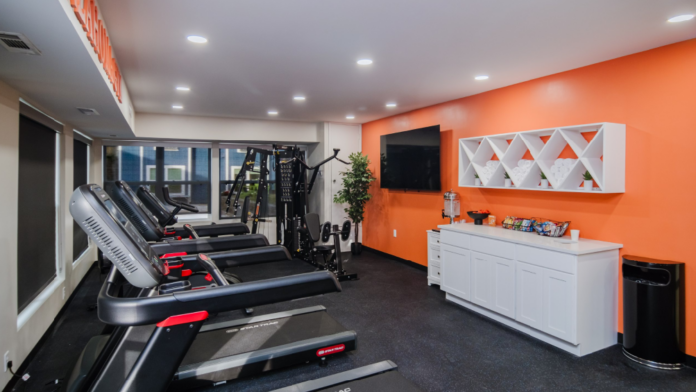
  Gym
Gym  Residential Setting
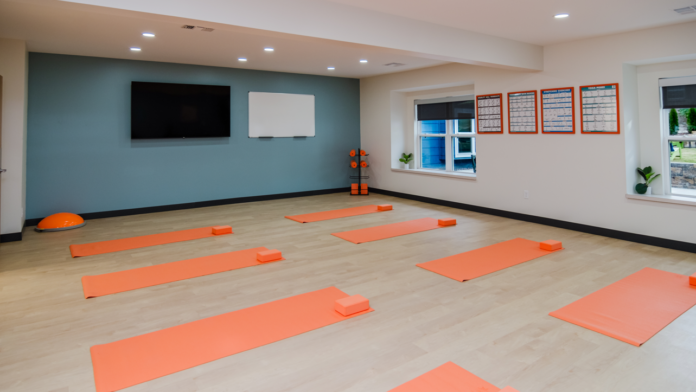
  Yoga Studio
The Joint Commission, formerly known as JCAHO, is a nonprofit organization that accredits rehab organizations and programs. Founded in 1951, the Joint Commision's mission is to improve the quality of patient care and demonstrating the quality of patient care.
Joint Commission Accreditation: Yes

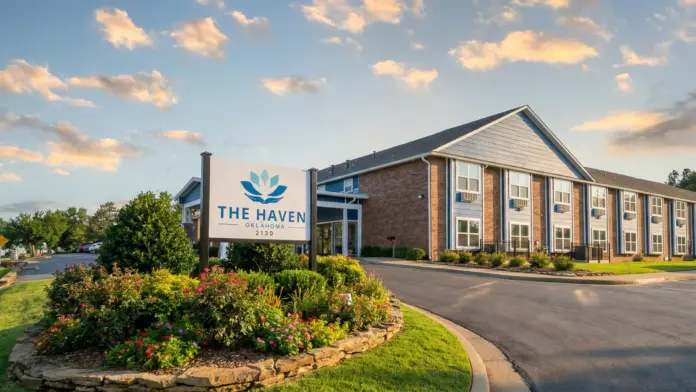
LegitScript has reviewed The Haven Detox – Oklahoma as part of their certification program, and has determined that it meets the LegitScript standards for legality, safety and transparency.
LegitScript verified in
Rehab.com regularly reviews this listing for accuracy but changes may occur between updates. For the most up-to-date information, please contact The Haven Detox – Oklahoma.
 Sponsored Helpline

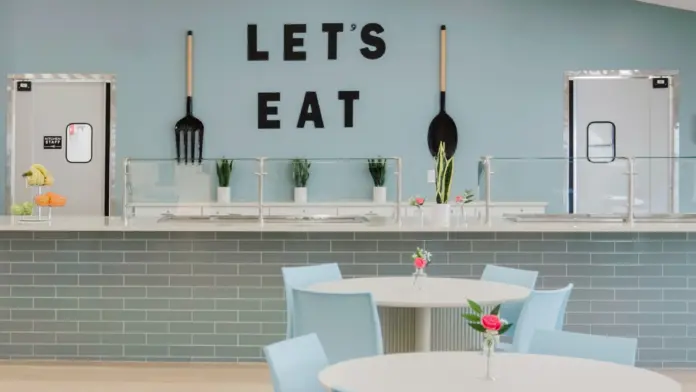
Food was amazing, staff was great, and the case managers rocked the house especially Kristal! Highly recommend!

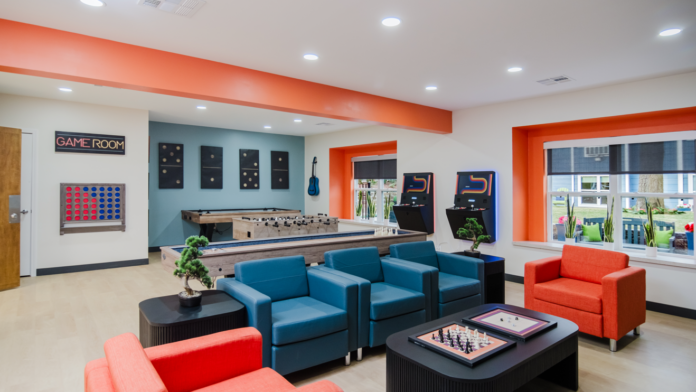
Do NOT be fooled by the photos. There are no private rooms and the whole place reeks of cigarette smoke. I could go on and on about how negative and disappointing my experience was, but suffice it to say I would give zero stars if I could.

First, the people who take the calls will lie and be super sweet to get you to be there, I was told I can bring particular things, and I was told i would have access (limited) to internet. Regardless, it is still probably one of the best rehabs in Oklahoma. The food is great, everything is new and you will want for nothing. You are allowed to bring a game emulator as long as it doesn't connect to the internet. There are some kinks in things such as rehab groups and pedagogy for the groups. Suggestions here, please read through all of them: 1. Not calling the patients' relatives, or anyone for that matter, about financial things or billing. That was an embarrassing breach of confidentiality. I personally felt like my HIPPA rights for violated. There are particular patients (I can not say who) now looking at that as a possible class action. 2. Have cooking classes or allowing particular residence to help in the kitchen. This may be a skill to keep patients on track for when they get out. To my chagrin this was just a personal thing after being spoiled by the food. 3. I highly suggest workbooks for the group teachers to hand out. 4. a box for cigarette/tobacco/nicotine orders with a time to turn them in on it, so we don't have to hunt down techs. 5. Keep detox and residential patients separate. It's not fair for detox patients and residential patients. They are both going through different things. I was lucky I had a cool roommate going through detox, but that won't be the same for everyone. 6. The checkups by techs are constant and they are out of sync with eachother. The techs should be on the same page, especially at night. Techs came in literally 2 minutes apart more nights than I can count and the light coming on was exhausting. I also felt a bit harassed by new techs especially around meal times; like, they couldn't believe I wasn't getting out of my room while trying to take a brief nap instead of going to the diner hall. I was just waiting for the line to go down. I don't need a mommy or daddy; I'm an adult. I know what the schedule is for the meals. 7. This is really important; it may be best not to infantilize with bribes when it comes to classes. It would be easier to simply note by merit who is going and "in 'secret' and good faith" reward those who attend. I'm not saying that because I know I was good with my attendance but it is a worthy note for adults who are getting the most out of the services provided. I could add more but I am hoping to one day make an alumni appearance to encourage others to make the fantastic change in their lives by attending one of the best facilities in the US.

This place was amazing and help me out a lot!!!!!
 Back
Back
Sharing your insights and experiences can help others learn more about this rehab center.