





























































































About Tolan Park Research Program
They provide individualized and integrated treatment methods. Here you’ll have an intake evaluation team that will look after you and recommend the best options for your care. They’ll provide help with mental and behavioral health along with medication to treat your addiction.
You can get medication-assisted treatment (MAT) and help with PTSD and or trauma as well as first-episode psychosis. They also help with anxiety or phobias through augmented reality and mood disorder therapy. I like that they educate their staff with Compassionate Care Training which is behavior-based training for caregivers.
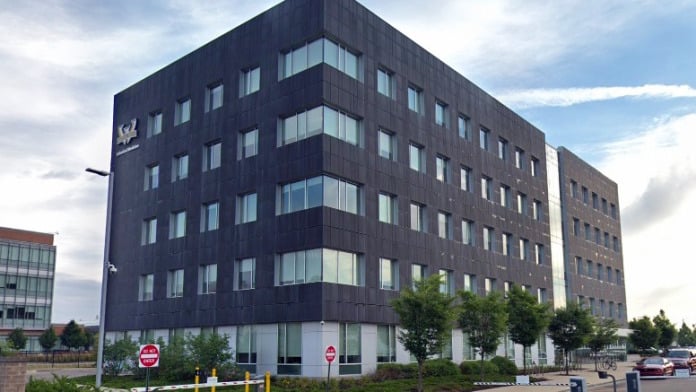
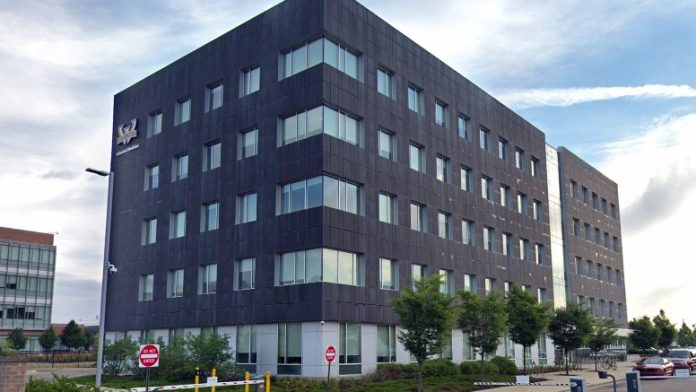
This facility works in conjunction with Wane State University and isn’t far from campus. The facility is across the the Detroit Medical Center around Midtown and right off I-75 so you can reach it easily and it’s near Eastern Market. It’s only a couple of blocks from the Woodward Avenue bus line.
Former patients here have said that this is the best methadone clinic they’ve been to. They claim everyone from the parking lot staff to the receptionists and the medical staff is helpful and that it’s safe to bring your kids if needed. Other patients said the place changed their life and the staff was tremendous.
Latest Reviews



Rehab Score
 Our Methodology


Gallery
Other Forms of Payment
Medicaid is a state based program that helps lower-income individuals and families pay for healthcare. Medicaid covers addiction treatment so those enrolled can use their coverage to pay for rehab. When a program accepts Medicaid the client often pays very little or nothing out of their own pocket.
Private insurance refers to any kind of healthcare coverage that isn't from the state or federal government. This includes individual and family plans offered by an employer or purchased from the Insurance Marketplace. Every plan will have different requirements and out of pocket costs so be sure to get the full details before you start treatment.
Self-pay involves paying for treatment out of your own pocket. You can use savings or credit, get a personal loan, or receive help from family and friends to fund your treatment. If you don't have insurance or your insurance plan doesn't cover a specific program, self-pay can help ensure you still get the care you need.
Financial aid can take many forms. Centers may have grants or scholarships available to clients who meet eligibility requirements. Programs that receive SAMHSA grants may have financial aid available for those who need treatment as well. Grants and scholarships can help you pai for treatment without having to repay.
Medicare is a federal program that provides health insurance for those 65 and older. It also serves people under 65 with chronic and disabling health challenges. To use Medicare for addiction treatment you need to find a program that accepts Medicare and is in network with your plan. Out of pocket costs and preauthorization requirements vary, so always check with your provider.
Military members, veterans, and eligible dependents have access to specific insurance programs that help them get the care they need. TRICARE and VA insurance can help you access low cost or no cost addiction and mental health treatment. Programs that accept military insurance often have targeted treatment focused on the unique challenges military members, veterans, and their families face.
Addiction Treatments
Levels of Care
Outpatient Programs (OP) are for those seeking mental rehab or drug rehab, but who also stay at home every night. The main difference between outpatient treatment (OP) and intensive outpatient treatment (IOP) lies in the amount of hours the patient spends at the facility. Most of the time an outpatient program is designed for someone who has completed an inpatient stay and is looking to continue their growth in recovery. Outpatient is not meant to be the starting point, it is commonly referred to as aftercare.
Drug and alcohol addiction often takes a heavy toll on one's body. Over time, a physical dependence can develop, meaning the body physiologically needs the substance to function. Detox is the process of removing drugs and/or alcohol from the body, a process that can be lethal if mismanaged. Medical detox is done by licensed medical professionals who monitor vital signs and keep you safe, healthy, and as comfortable as possible as you go through detox and withdrawal.
12 step programs are typically community-based and peer-led, though many rehabs base their treatment models on this approach. Participants engage in regular 12 step meetings, which are anonymous, free, and accessible multiple times a day, 365 days a year in most communities. Participants are also mentored by self-selected sponsors who support them as they work through the 12 steps of recovery, which include addressing the causes of the disease, taking personal responsibility, and relinquishing control.
Treatments
The goal of treatment for alcoholism is abstinence. Those with poor social support, poor motivation, or psychiatric disorders tend to relapse within a few years of treatment. For these people, success is measured by longer periods of abstinence, reduced use of alcohol, better health, and improved social functioning. Recovery and Maintenance are usually based on 12 step programs and AA meetings.
Drug rehab in Michigan provides personalized treatment to help individuals break this cycle and regain control of their lives. Treatment methods are used in various levels of care, including inpatient rehab, partial hospitalization programs, intensive outpatient programs, and standard outpatient treatment.
Many of those suffering from addiction also suffer from mental or emotional illnesses like schizophrenia, bipolar disorder, depression, or anxiety disorders. Rehab and other substance abuse facilities treating those with a dual diagnosis or co-occurring disorder administer psychiatric treatment to address the person's mental health issue in addition to drug and alcohol rehabilitation.
Opioid rehabs specialize in supporting those recovering from opioid addiction. They treat those suffering from addiction to illegal opioids like heroin, as well as prescription drugs like oxycodone. These centers typically combine both physical as well as mental and emotional support to help stop addiction. Physical support often includes medical detox and subsequent medical support (including medication), and mental support includes in-depth therapy to address the underlying causes of addiction.
Substance rehabs focus on helping individuals recover from substance abuse, including alcohol and drug addiction (both illegal and prescription drugs). They often include the opportunity to engage in both individual as well as group therapy.
Programs
Adult rehab programs include therapies tailored to each client's specific needs, goals, and recovery progress. They are tailored to the specific challenges adult clients may face, including family and work pressures and commitments. From inpatient and residential treatment to various levels of outpatient services, there are many options available. Some facilities also help adults work through co-occurring conditions, like anxiety, that can accompany addiction.
Young adulthood can be an exciting, yet difficult, time of transition. Individuals in their late teens to mid-20s face unique stressors related to school, jobs, families, and social circles, which can lead to a rise in substance use. Rehab centers with dedicated young adult programs will include activities and amenities that cater to this age group, with an emphasis on specialized counseling, peer socialization, and ongoing aftercare.
Serving in the military is both mentally and physically challenging, and can result in trauma that persists even after combat ends. Military programs are tailored to the specific and often complex needs of active duty personnel, veterans, and military families. Clients often access these programs through the U.S. Department of Veterans Affairs (VA).
Recovery is most successful when clients feel accepted and validated by their peers and treatment providers. Facilities that offer LGBTQ-inclusive programming are committed to creating a safe space where everyone can grow and recover without fear of judgment or discrimination. They will have dedicated policies in place to create a safe and supportive environment that fosters free expression.
Clinical Services
Group therapy is any therapeutic work that happens in a group (not one-on-one). There are a number of different group therapy modalities, including support groups, experiential therapy, psycho-education, and more. Group therapy involves treatment as well as processing interaction between group members.
Trauma therapy addresses traumatic incidents from a client's past that are likely affecting their present-day experience. Trauma is often one of the primary triggers and potential causes of addiction, and can stem from child sexual abuse, domestic violence, having a parent with a mental illness, losing one or both parents at a young age, teenage or adult sexual assault, or any number of other factors. The purpose of trauma therapy is to allow a patient to process trauma and move through and past it, with the help of trained and compassionate mental health professionals.
Family therapy is often recommended for family units with a member undergoing drug or alcohol rehabilitation. Family therapy helps to foster communication and conflict resolution that creates a supportive environment. This helps the loved one who is struggling with addiction.
Personalized therapy sessions for drug addiction emphasize understanding your background and behavioral triggers for substance use. Your therapist will collaborate with you to create an effective coping strategy and address underlying issues that clear the way for lasting change.
During motivational interviewing, therapists express empathy, support self efficacy, and develop discrepancies. By using these techniques, therapists help clients reflect on their desires for change and understand why and how they should move forward with those changes.
Cognitive behavioral therapy in Michigan helps participants view challenges more clearly so they can respond to them in healthy ways. During a limited number of structured sessions, clients learn about and practice these changes to effectively address substance use and mental health disorders.
Accreditations

The Substance Abuse and Mental Health Services Administration (SAMHSA) is a branch of the U.S. Department of Health and Human Services. Established in 1992 by congress, SAMHSA's mission is to reduce the impact of substance abuse and mental illness on American's communities.
SAMHSA Listed: Yes
Rehab.com regularly reviews this listing for accuracy but changes may occur between updates. For the most up-to-date information, please contact Tolan Park Research Program.
Contact Information


3901 Chrysler Drive
Detroit, MI 48201
Sponsored Helpline


