





























































































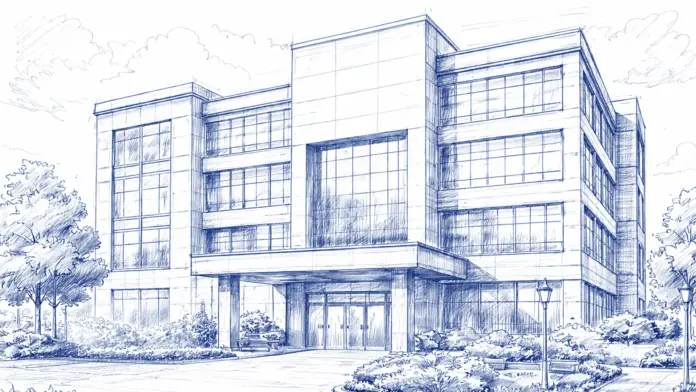
About Vance Johnson Recovery Center – VJRC
Vance Johnson Recovery Center is a residential drug and alcohol rehab in Las Vegas, Nevada offering personalized, comprehensive addiction treatment for adults seeking lasting recovery.
This state of the art facility provides 24 hour residential and short term residential care for substance use disorders and co-occurring mental health conditions.
VJRC emphasizes holistic, trauma informed and evidence based treatment that supports physical, emotional and spiritual wellness.
Addiction Treatment Programs at VJRC
Treatment typically begins with a comprehensive mental health and substance use assessment, including medical history and physical exam, to guide a customized care plan.
Clients then enter residential treatment, where a multidisciplinary medical and behavioral health team delivers structured support around the clock.
Programming includes cognitive behavioral therapy, motivational interviewing and the Matrix Model, trauma related counseling and 12 step facilitation, along with counseling.
Medication assisted treatment options such as buprenorphine, naltrexone and disulfiram are available, and dual diagnosis care addresses co-occurring serious mental illness.
Key Facts to Know
- Location: 2651 Westwood Drive in Las Vegas, Nevada
- Levels of care: 24 hour residential and short term residential treatment
- Who they treat: Adults, young adults and seniors including veterans, military families and LGBTQ clients, pregnant/postpartum women and people with co-occurring disorders
- Approach: Trauma informed, holistic, evidence based care with relapse prevention focus
- Payment options: Private insurance, TRICARE, IHS/Tribal/Urban funds and self pay
- Amenities: State of the art facility with approximately 40 to 44 beds and designated smoking/vaping areas
- Recovery support: Housing services, recovery coaching and peer support, transportation assistance and overdose education
Facility Overview
 40
40 
Rehab Score
 Our Methodology


Location
Other Forms of Payment
Self-pay involves paying for treatment out of your own pocket. You can use savings or credit, get a personal loan, or receive help from family and friends to fund your treatment. If you don't have insurance or your insurance plan doesn't cover a specific program, self-pay can help ensure you still get the care you need.
Private insurance refers to any kind of healthcare coverage that isn't from the state or federal government. This includes individual and family plans offered by an employer or purchased from the Insurance Marketplace. Every plan will have different requirements and out of pocket costs so be sure to get the full details before you start treatment.
Addiction Treatments
Levels of Care
Residential treatment programs are those that offer housing and meals in addition to substance abuse treatment. Rehab facilities that offer residential treatment allow patients to focus solely on recovery, in an environment totally separate from their lives. Some rehab centers specialize in short-term residential treatment (a few days to a week or two), while others solely provide treatment on a long-term basis (several weeks to months). Some offer both, and tailor treatment to the patient's individual requirements.
Intensive Outpatient Programs (IOP) are for those who want or need a very structured treatment program but who also wish to live at home and continue with certain responsibilities (such as work or school). IOP substance abuse treatment programs vary in duration and intensity, and certain outpatient rehab centers will offer individualized treatment programs.
Treatments
A combined mental health and substance abuse rehab has the staff and resources available to handle individuals with both mental health and substance abuse issues. It can be challenging to determine where a specific symptom stems from (a mental health issue or an issue related to substance abuse), so mental health and substance abuse professionals are helpful in detangling symptoms and keeping treatment on track.
Programs
Adult rehab programs include therapies tailored to each client's specific needs, goals, and recovery progress. They are tailored to the specific challenges adult clients may face, including family and work pressures and commitments. From inpatient and residential treatment to various levels of outpatient services, there are many options available. Some facilities also help adults work through co-occurring conditions, like anxiety, that can accompany addiction.
Clinical Services
Cognitive Behavioral Therapy (CBT) is a therapy modality that focuses on the relationship between one's thoughts, feelings, and behaviors. It is used to establish and allow for healthy responses to thoughts and feelings (instead of unhealthy responses, like using drugs or alcohol). CBT has been proven effective for recovering addicts of all kinds, and is used to strengthen a patient's own self-awareness and ability to self-regulate. CBT allows individuals to monitor their own emotional state, become more adept at communicating with others, and manage stress without needing to engage in substance abuse.
Dialectical Behavior Therapy (DBT) is a modified form of Cognitive Behavioral Therapy (CBT), a treatment designed to help people understand and ultimately affect the relationship between their thoughts, feelings, and behaviors. DBT is often used for individuals who struggle with self-harm behaviors, such as self-mutilation (cutting) and suicidal thoughts, urges, or attempts. It has been proven clinically effective for those who struggle with out-of-control emotions and mental health illnesses like Borderline Personality Disorder.
Research clearly demonstrates that recovery is far more successful and sustainable when loved ones like family members participate in rehab and substance abuse treatment. Genetic factors may be at play when it comes to drug and alcohol addiction, as well as mental health issues. Family dynamics often play a critical role in addiction triggers, and if properly educated, family members can be a strong source of support when it comes to rehabilitation.
Group therapy is any therapeutic work that happens in a group (not one-on-one). There are a number of different group therapy modalities, including support groups, experiential therapy, psycho-education, and more. Group therapy involves treatment as well as processing interaction between group members.
In individual therapy, a patient meets one-on-one with a trained psychologist or counselor. Therapy is a pivotal part of effective substance abuse treatment, as it often covers root causes of addiction, including challenges faced by the patient in their social, family, and work/school life.
Accreditations

The Joint Commission, formerly known as JCAHO, is a nonprofit organization that accredits rehab organizations and programs. Founded in 1951, the Joint Commision's mission is to improve the quality of patient care and demonstrating the quality of patient care.
Joint Commission Accreditation: Yes
Rehab.com regularly reviews this listing for accuracy but changes may occur between updates. For the most up-to-date information, please contact Vance Johnson Recovery Center – VJRC.
Contact Information


2651 Westwood Drive
Las Vegas, NV 89109
Sponsored Helpline
