






























































































The staff at the Via Dolorosa really care about the clients. You couldn't ask for better people that truly want to help. If you're looking to get clean this is the place to go, not only is it nice but I've seen so many lives changed as a result of this program.
About Via Dolorosa Recovery
The purpose of Via Dolorosa is to serve as a beacon of hope and healing for those affected by substance use disorders. Rooted in spiritual principles, we strive to create a nurturing community that supports personal growth.

Rehab Score
 Our Methodology
Scoring is assigned by a proprietary system which helps surface key metrics that determine quality. The 10-point scale factors in categories such as operations, customer satisfaction, and trust metrics. Read Full Methodology

6.6 / 10
Gallery
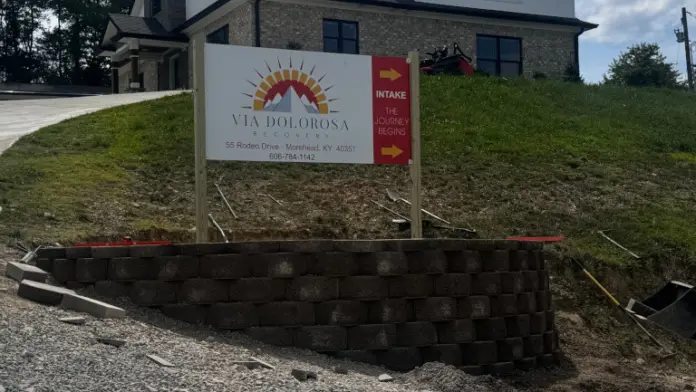

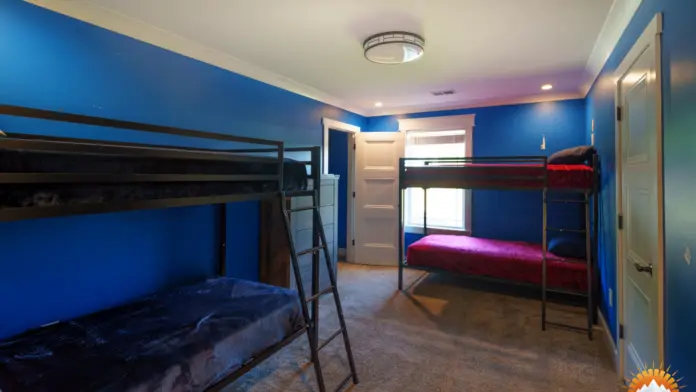







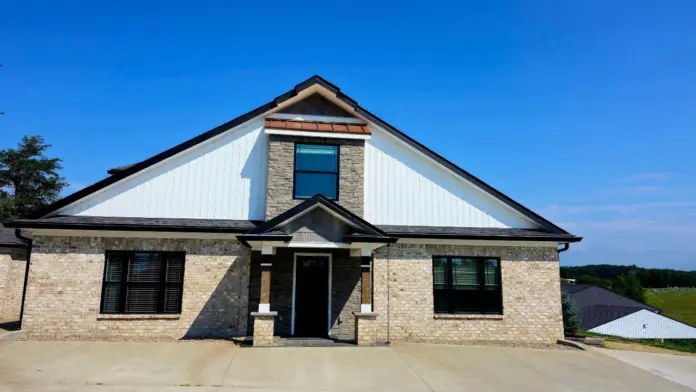
Accepted Insurance
Addiction Treatments
Levels of Care
Medical detox is the process of weaning your body off addictive substances in a medically supervised environment. An on-site medical team may include physicians, nurses, therapists, and other clinical staff whose job it is to monitor your vitals and provide medications if necessary to alleviate withdrawal symptoms. Their goal is to keep you as safe and comfortable as possible throughout the process.. Medically assisted detox programs are individualized to meet your specific needs and can vary in length, but they tend to last 5-7 days.
Inpatient rehab is designed primarily for clients exiting detox, those in early recovery, and those in crisis situations that may increase their risk of relapse. Clients reside at the inpatient treatment center for the length of the program, which may range from two weeks to more than 18 months, depending on the program design. Inpatient treatment typically includes 24-hour clinical care and extensive addiction counseling and recovery education using CBT, DBT, RBT, motivational interviewing or other psychotherapeutic approaches.
Participants in 12 step programs attend regular group meetings, which are free, anonymous, and open to the public. Most communities offer multiple meetings daily, with specialized formats, including programs for seniors, teens, and families, widely available. 12 step recovery prioritizes participants' spiritual, emotional, and psychological growth and healing to support their sustained sobriety. Participants also receive one-on-one mentoring from a self-selected sponsor as they work through the 12 steps of recovery.
Rehab aftercare programs ensure clients' access to continuing care after the completion of intensive inpatient treatment. Outpatient care is often considered a component of drug rehab aftercare, but most clients continue to receive support services after being discharged from formal treatment. Service portfolios are customized to clients' unique and evolving needs and are often designed in collaboration with clients' case managers and care teams. Peer coaching, career counseling, relapse prevention, and 12 step program induction are standard.
Treatments
Alcoholism is a term used to describe a level of drinking that causes harm to a person's health. Also known as alcohol addiction or alcohol use disorder (AUD), the dependency involves a strong, often uncontrollable urge to drink.This condition is treatable through alcohol rehab in Kentucky. Programs typically involve supervised detox, behavioral treatments, medications, and mutual-support groups.
Drug rehab in Kentucky often starts with detox, then includes inpatient or outpatient treatment, and continues with aftercare support. Specific methods used during each of these phases varies, but often include individual and group counseling, medication, and recreational therapies.
 Opioid Addiction
In Kentucky, comprehensive substance abuse treatment programs are available to address addiction and any co-occurring mental health disorders. Typically, treatment programs offer various levels of care, including outpatient, inpatient, and partial hospitalization. Treatment activities include individual and group therapy, recovery support meetings, evidence-based therapies such as cognitive-behavioral therapy (CBT), dialectical behavior therapy (DBT), and psychoeducation. By the end of treatment you will have the resources and supportive recovery community to sustain long-term mental health and sobriety.
In Kentucky, dual-diagnosis addiction treatment programs prioritize comprehensive care for individuals with co-occurring substance use disorders and mental health conditions. Levels of care include residential rehab, detox, and intensive outpatient programs. Interventions like cognitive behavioral therapy, or dialectical behavioral therapy, therapy, education and family counseling treat both mental health conditions at the same time. The benefits of dual-diagnosis treatment are enhanced outcomes, improved health, and they provide you with the skills to maintain your sobriety and manage your mental health.
Inpatient addiction treatment means you will reside at the facility and receive rehab and mental health services. Comprehensive treatment programs include mental health aspects, medical and psychological support, experiential therapies, cognitive behavioral therapies (CBT), and various therapeutic interventions aimed at addressing addiction and improving mental health. Additionally, individual and group counseling are standard mental health offerings, as are relapse prevention education programs.
Programs
Adult rehab programs include therapies tailored to each client's specific needs, goals, and recovery progress. They are tailored to the specific challenges adult clients may face, including family and work pressures and commitments. From inpatient and residential treatment to various levels of outpatient services, there are many options available. Some facilities also help adults work through co-occurring conditions, like anxiety, that can accompany addiction.
Men face specific challenges and concerns when seeking addiction treatment. Gender-specific recovery programs help them tackle these issues head-on in an environment that's focused, targeted, and distraction-free. It also gives them the opportunity to connect with and learn from other men who have been through a similar journey and can offer support for the next step.
Clinical Services
Creative arts therapy in Kentucky involves therapy sessions that incorporate creative activities. A trained professional uses art forms such as music or dance to facilitate emotional expression and healing. Clients do not need any artistic skills to participate.
Family therapy provides families with a structured environment to address the complexities of addiction. You work with an experienced therapist to develop effective strategies for supporting your loved one's recovery while focusing on the well being of each member of the family unit.
Men and women in Kentucky participating in group therapy learn to express their feelings and struggles with drug addiction in a non judgmental atmosphere. Your peers can offer you empathy and encouragement because they understand your journey to recovery. This fosters a sense of community and belonging that may extend far after group therapy sessions.
In individual therapy for drug and alcohol addiction, the therapist and patient work together to address the challenges and triggers that drive addictive behavior. This offers a customized approach to a healthier, substance free life.
Life skills equip you to obtain and maintain employment, establish healthy relationships, develop a healthy daily routine, manage your finances, and practice self care. Because these are an important part of successful recovery, life skills training should be an integral part of your rehab in Kentucky.
Nicotine replacement therapy (NRT) in Kentucky is not intended for long term use, but it can help you get over the challenging initial phase of quitting smoking. Based on your craving levels and other lifestyle needs, you can choose from a variety of NRT methods to reduce withdrawals and break free from nicotine addiction.
Holistic alcohol and drug addiction treatment centers use recreational therapy to help you find a constructive way to spend your time and manage your stress. Activities can include yoga, team sports, creative arts, and painting. These encourage social interaction, support your physical fitness, and improve your mood, all of which are crucial for maintaining a successful recovery.
Trauma therapy provides you with a safe space to work through a trauma that you witnessed or experienced. Trauma informed therapy supports you to understand your emotional and physical responses and develop healthier coping mechanisms when exposed to triggers in the community. This improves your sense of self confidence and empowerment.
Amenities
-
 Basketball court
 -
 Farm setting
 -
 Gym
Gym -
 Luxury accommodations
 -
 Private setting
 -
 Residential setting
 -
 Private transportation
 -
 Recreation room
 -
Recreation room
-
Residential setting
Accreditations

The Commission on Accreditation of Rehabilitation Facilities (CARF) is a non-profit organization that specifically accredits rehab organizations. Founded in 1966, CARF's, mission is to help service providers like rehab facilities maintain high standards of care.
CARF Accreditation: Yes

State Licenses are permits issued by government agencies that allow rehab organizations to conduct business legally within a certain geographical area. Typically, the kind of program a rehab facility offers, along with its physical location, determines which licenses are required to operate legally.
State License: Kentucky
Rehab.com regularly reviews this listing for accuracy but changes may occur between updates. For the most up-to-date information, please contact Via Dolorosa Recovery.
Contact Information

55 Rodeo Dr
Morehead, Kentucky 40351
Get Help Now - 606-257-4949
Sponsored Helpline
Sponsored Helpline
