





























































































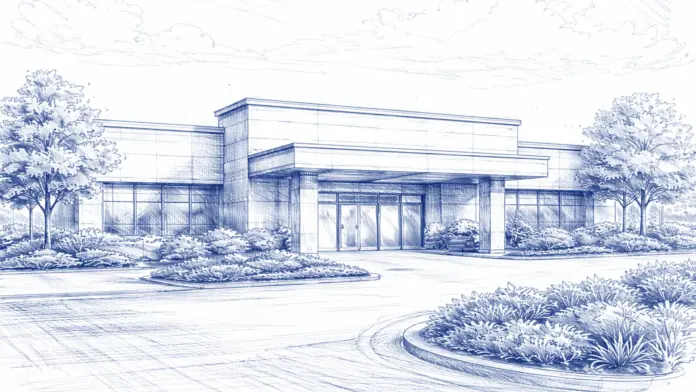
About Vision House Sober Living
Vision House Sober Living is found in Manchester, New Hampshire and is a sober living home that’s part of the Granite Recovery Centers network. What I really like about this center is that it is exclusively for helping women. This facility accommodates women aged 18 and above, providing a safe and supportive environment tailored to their recovery needs.
Sober Living with Optional Outpatient Treatment
The center is in a residential setting which consists of two locations, Vision House East and Vision House West, each accommodating 15 women. They also offer you an outpatient treatment option which consists of adaptable therapy schedules, enabling participants to maintain daily routines while undergoing treatment
A Supportive Residential Environment
The sober living program is a 12 step based sober living environment specifically for women transitioning from residential addiction treatment. I think one of the best parts of this program is that they provide you with housing and meals alongside substance abuse treatment, allowing you to focus solely on your recovery. Vision House Sober Living accepts self payment for treatment services.
Required Meetings for Accountability
In order to support residents’ recovery journey, the center believes in providing therapy in a structured environment. This includes mandatory house meetings, meditation groups, and accountability meetings The center also puts great emphasis on personal responsibility during treatment through peer accountability meetings and drug testing.
Facility Overview
 30
30 
Rehab Score
 Our Methodology


Gallery
Other Forms of Payment
Private insurance refers to any kind of healthcare coverage that isn't from the state or federal government. This includes individual and family plans offered by an employer or purchased from the Insurance Marketplace. Every plan will have different requirements and out of pocket costs so be sure to get the full details before you start treatment.
Self-pay involves paying for treatment out of your own pocket. You can use savings or credit, get a personal loan, or receive help from family and friends to fund your treatment. If you don't have insurance or your insurance plan doesn't cover a specific program, self-pay can help ensure you still get the care you need.
Addiction Treatments
Levels of Care
Clients undergoing treatment at an outpatient rehab reside in their own homes and engage in counseling and recovery education sessions in the evening, at night, or on the weekend. This ensures clients' access to care while working, caregiving, or attending school. Outpatient treatment is often the next level of care for clients stepping down from inpatient care, though some clients enroll immediately after completing detox. Many programs offer medication assisted treatment (MAT) for those in alcohol or opioid recovery.
Intensive outpatient programs (IOP) offer high-level transitional support for clients exiting inpatient rehab. They can also be effective for clients at significant relapse risk Intensive outpatient treatment typically involves between nine and 20 hours of care per week, with the frequency and intensity of treatment decreasing as clients progress in their recovery. Most IOP clients participate in a combination of psychotherapy, recovery education, holistic therapies, and, for some, medication assisted treatment (MAT).
Rehab aftercare programs provide continuing care for clients in an advanced phase of recovery, including those who have completed detox and intensive inpatient treatment. These clients typically have already engaged in many hours of addiction counseling and recovery education. Drug rehab aftercare supports clients in maintaining their sobriety at home, in the workplace, and in the community. Case managers and care teams advise clients on the resources they may need to promote their sustained sobriety.
12 step programs are often considered the gold standard in addiction treatment. They are based on personal growth and intensive peer support. Participants are expected to regularly attend 12 step meetings, which are free, anonymous, and open to the public. They are also required to select a peer sponsor to mentor them as they work through the steps of recovery, which are based on non-denominational spiritual principles designed to foster understanding, forgiveness, accountability, and acceptance.
Sober Living Houses (SLHs), aka sober homes or halfway houses, are safe, substance-free, supportive living facilities for those recovering from substance abuse. Ideal for those who've just been through inpatient or outpatient treatment, SLHs are supervised environments with rules that support sobriety, such as curfews, shared chores, and therapeutic meetings. Residents are also often trained on life skills and coping skills to make it easier to transition into society. SLHs also provide a strong sense of community that can lead to the kind of deep and lasting connections with other sober individuals that supports a new, healthy lifestyle.
The aim of a medically supervised detox is to minimize withdrawal symptoms while removing alcohol and drugs from your system under 24/7 medical supervision and keep you as safe and as comfortable as possible. Medical detox is usually the first step in the recovery process as a whole, and it can take about 5-7 days to complete. This process is usually at least partially covered by most insurance plans.
Treatments
Substance rehabs focus on helping individuals recover from substance abuse, including alcohol and drug addiction (both illegal and prescription drugs). They often include the opportunity to engage in both individual as well as group therapy.
Alcohol use disorder (AUD) is a condition characterized by drinking that causes distress or harm. Also called alcoholism, this alcohol addiction can be classified as mild, moderate, or severe. Various treatments for alcoholism can be classified as social, psychological, and physiological. Options include inpatient or outpatient alcohol rehab in New Hampshire, 12-step groups, and faith-based recovery programs.
Programs
Adult rehab programs include therapies tailored to each client's specific needs, goals, and recovery progress. They are tailored to the specific challenges adult clients may face, including family and work pressures and commitments. From inpatient and residential treatment to various levels of outpatient services, there are many options available. Some facilities also help adults work through co-occurring conditions, like anxiety, that can accompany addiction.
Young adulthood can be an exciting, yet difficult, time of transition. Individuals in their late teens to mid-20s face unique stressors related to school, jobs, families, and social circles, which can lead to a rise in substance use. Rehab centers with dedicated young adult programs will include activities and amenities that cater to this age group, with an emphasis on specialized counseling, peer socialization, and ongoing aftercare.
Rehabs for women provide a safe, nurturing space for female clients to heal. These treatment programs consider the specific obstacles that women can face during recovery and place a special emphasis on mental, social, physical, and reproductive health. They explore how each woman's experience has shaped the trajectory of their substance use, addressing issues such as sexual abuse and past trauma.
Clinical Services
Group therapy is any therapeutic work that happens in a group (not one-on-one). There are a number of different group therapy modalities, including support groups, experiential therapy, psycho-education, and more. Group therapy involves treatment as well as processing interaction between group members.
Individual therapy is available to people in New Hampshire seeking drug and alcohol addiction treatment. This offers a personalized approach to understanding your background and triggers. During therapy, you and your therapist collaborate to develop effective coping strategies that ensure you receive a comprehensive approach to foster lasting change.
The goal of trauma therapy is to address the lingering emotional and physical effects that traumatic experiences can have on your life. Therapists help you to process the traumatic event so you can more easily manage your physical and emotional responses and develop compassion for yourself.
If you participate in couples therapy in New Hampshire, you can expect to attend an average of 12 sessions. These may include individual and joint sessions with the counselor. Therapy will likely focus on learning skills to resolve conflict and successfully manage relationship challenges.
The focus of family therapy in New Hampshire is to strengthen the family unit by fostering mutual support among the members. Each member learns effective communication strategies that help to create a nurturing environment. This strength and family bonds and supports your loved one's path to recovery.
Life skills trainings involve all the skills a person must have in order to function successfully in the world. These include time management, career guidance, money management, and effective communication. Truly successful addiction recovery is based on the ability to not only live substance-free, but to thrive. Life skills teaches the practical necessities of functioning in society, which sets clients up for success in life, and therefore sobriety.
Amenities
-
 Residential Setting
 -
 Private Rooms
Staff & Accreditations
Staff

Eric Ekberg
CEO

Spencer Bush-Brown
VP of Business Development

Tammy Quattrocchi
Director of Compliance

Mike Mahan
Director of Admissions

Keri George
Director of Nursing
Accreditations

The Commission on Accreditation of Rehabilitation Facilities (CARF) is a non-profit organization that specifically accredits rehab organizations. Founded in 1966, CARF's, mission is to help service providers like rehab facilities maintain high standards of care.
CARF Accreditation: Yes
Rehab.com regularly reviews this listing for accuracy but changes may occur between updates. For the most up-to-date information, please contact Vision House Sober Living.
Contact Information


241 Auburn St
Manchester, NH 03103
Sponsored Helpline

